





Introduction — Visiting London in 2026: context and what visitors should know
London remains in 2026 one of Europe’s most magnetic capitals, blending world‑class museums, historic neighbourhoods and a buzzing cultural scene. That said, heading to London now requires a bit more attention than it used to: beyond the usual travel documents, new administrative rules and a range of visas and electronic authorisations apply depending on how long you stay and why you’re coming. This detailed guide aims to explain clearly the different kinds of visas and authorisations needed to visit London in 2026, with practical information — addresses, prices in euros, opening hours, immersive descriptions and local tips — so your travel plans go smoothly.
We’ll cover options for short tourist stays, transit passages, family visits, special short‑term visas for cultural or professional events, and the major newcomer: Electronic Travel Authorisations (ETA) that apply to some passport holders who used to be visa‑exempt. In this guide you’ll also find pointers to useful places in London (welcome centres, official offices, sights to visit once your legal entry is sorted), with exact addresses and opening hours to help plan both your trip and your paperwork. Prices are shown in euros as indicative figures based on common conversion rates — allow for currency fluctuations and any extra service fees charged by application centres.
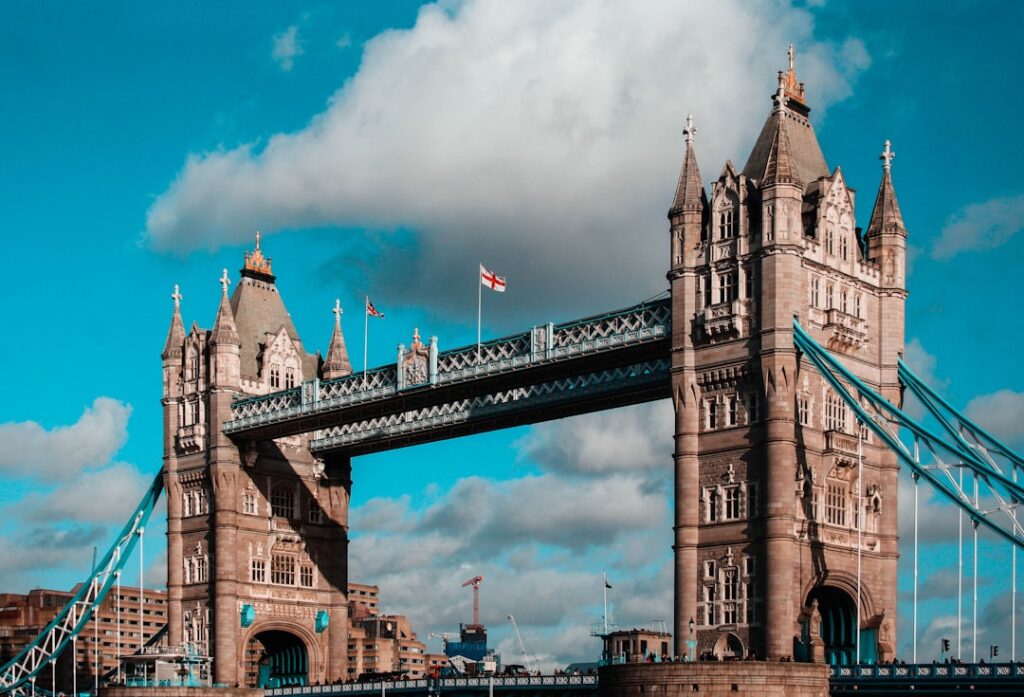
This guide is for a wide audience: French and European tourists, travellers from third countries who need an authorisation, families visiting relatives, conference or event participants, and people in transit. Through immersive descriptions (what it feels like arriving at Heathrow, the atmosphere of Tower Bridge at night, what to expect when you arrive at Paddington Station) you’ll also find local recommendations and practical tips to minimize issues (documents to prepare, appointments to book, when to pay online vs in person, where to pick up biometric results, etc.).
Before you start: always check the official UK government website (gov.uk) and announcements from your local consulate for updates before booking. Procedures can change quickly; however, the core frameworks detailed below (Standard Visitor Visa, ETA, transit, special visas) remain the main ways to enter London. Now let’s dive into the specific authorisations so you can prepare your arrival in London.
Standard Visitor Visa — The classic tourist visa (complete details)
The Standard Visitor Visa is the category most commonly used to visit London as a tourist, for occasional business, or to see family. This visa covers stays generally up to six months for most visitors and allows activities such as tourism, family visits, attending business meetings and, within limits, unpaid artistic activities. It does not permit taking paid employment or settling permanently.
Cost and duration: the Standard Visitor Visa normally costs around 100 GBP. At the usual 2026 conversion rate, that’s approximately €116. The maximum permitted stay in most cases is 6 months (183 days). If you want a longer stay (for example 2 years, 5 years or 10 years with multiple entries), corresponding categories exist but with higher fees: for instance, a 2‑year multiple entry visa might cost about 376 GBP (~€436), and 10 years up to 1,206 GBP (~€1,400) — always check the exact fee at the time of application.
Documents required and how to apply: the application is made online via the official gov.uk website. You will need to provide:
- A valid passport (at least 6 months’ validity is recommended).
- Proof of financial means (bank statements, pay slips) showing you can support yourself during the stay.
- Travel itinerary (return flight tickets), proof of accommodation (hotel bookings, invitation letter with address and contact details).
- An invitation letter if visiting family, detailing the full address and nature of the relationship.
- Evidence of ties to your home country (employment contract, property ownership, family commitments).
Biometric appointments and centres: after submitting online you’ll need to book an appointment to provide biometric data (fingerprints and a photo) at a visa application centre. In London, some appointments are handled by private providers, but the central administrative office is:
- Lunar House, UK Visas and Immigration — 40 Wellesley Road, Croydon CR0 2YX. Public opening hours: Monday to Friday, 09:00–17:00. Note: Lunar House is an administrative office; most biometric appointments are arranged through local providers or VFS/TLScontact depending on your country of residence.
Practical tips: book your biometric appointment at least 6 to 8 weeks before your planned departure to allow for processing times. Keep printed copies of everything you submitted online. If you’re already in Europe, VFS/TLScontact centres in major cities often offer express services for extra fees (expect around €20–60).
Electronic Travel Authorisation (ETA), transit visas and short stays — what to know
From 2024 and progressively through 2025–2026, the UK expanded use of an Electronic Travel Authorisation (ETA) for nationals of certain countries who were previously visa‑exempt. The ETA is a pre‑registered electronic permission — similar to the US ESTA — that allows very short stays (typically up to 6 months for tourism) without submitting a full visa application. Its aim is to improve border security while simplifying short‑term travel.
Cost and validity: the typical cost of an ETA is low, often around 10 GBP, roughly €12. An ETA can be valid for multiple entries over a set period (for example 2 years), but exact rules depend on your nationality. Check gov.uk to see if your nationality requires an ETA in 2026 and follow the online process.
Transit visas: if you’re only transiting through London (for instance connecting at Heathrow or Gatwick), several options exist:
- Transit Without Visa (TWOV): available for certain nationalities transiting without leaving the international area of the airport.
- Visitor in Transit visa: for a short stay (up to 48 hours) if your nationality does not qualify for TWOV. Indicative cost: 60 GBP (~€70).
- Direct Airside Transit Visa (DATV): required in some cases when you have a connection but remain in the international zone.
Practical example: arriving at Heathrow Terminal 2 (Longford TW6 1QG, Hounslow). Heathrow operates 24/7, but if you need an emergency authorisation some airlines will refuse boarding without a valid ETA/visa. Plan to apply online at least 72 hours before departure to avoid being denied check‑in.
Local advice: if your transit involves changing airports (for example arriving at Gatwick and departing from Stansted), you’ll need an entry authorisation or a visitor visa. Always allow extra time for immigration checks and inter‑airport transfers (at least 5–6 hours minimum if you must collect bags and travel to another terminal or airport).

Specific short‑term visas: Permitted Paid Engagements, Short‑term Study, Marriage Visitor
Beyond the Standard Visitor Visa and the ETA, there are several specialised visas designed for visitors coming to London for specific short‑term reasons. These categories matter for artists, conference speakers, short‑course students or couples planning a civil ceremony.
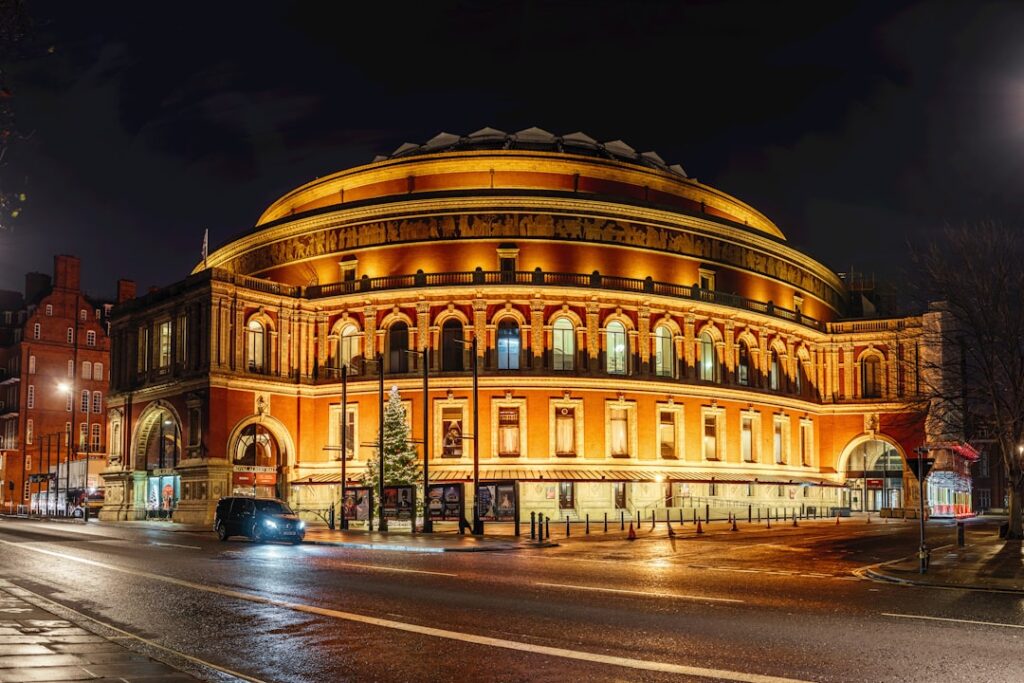
Permitted Paid Engagement (PPE): this authorisation suits invited experts, speakers, artists or sportspeople who are paid for a one‑off engagement without being employed under a local contract. The duration is typically up to 1 month (sometimes 3 months for certain profiles). Typical cost is around 100–150 GBP (~€116–174). You’ll need an invitation letter detailing the payment, the venue of the engagement (for example: Royal Albert Hall, Kensington Gore, London SW7 2AP), and the exact duration.
Short‑term Study Visa: aimed at international students enrolled on short courses (usually up to 6 months for general courses, or 11 months for intensive English courses). Indicative cost: 97 GBP (~€112). Required documents: acceptance letter from the institution — for example, City Lit, 1-10 Keeley St, London WC2B 4BA — state the exact course name and dates.
Marriage Visitor Visa: for people coming to the UK solely to marry or form a civil partnership. Valid for the time needed to complete the ceremony (up to 6 months) and costing around 95 GBP (~€110). You must provide proof of the intent to marry, the exact venue of the ceremony (e.g. Register Office: Westminster City Register Office, 101 Vincent Square, London SW1P 2NX), and the booking confirmation for the date.
Practical tips: for PPE and Short‑term Study, bring concrete evidence (performance contract, course syllabus, proof of payment). Cultural venues and performance spaces like the Royal Albert Hall (Kensington Gore, London SW7 2AP) and the Southbank Centre (Belvedere Rd, London SE1 8XX) often provide standard invitation letters to help with applications.
Where to go in London — useful addresses, opening hours and practical local tips
If you’re already in London or preparing to leave from France or another country, knowing a few key addresses makes the process much easier: official offices, information centres, consular services and major tourist sites to combine paperwork with sightseeing.
Useful addresses and opening hours:
- Lunar House – UK Visas and Immigration, 40 Wellesley Road, Croydon CR0 2YX. Hours: Mon–Fri 09:00–17:00. Administrative services: general information and referrals to appointment centres.
- British Museum, Great Russell Street, London WC1B 3DG. Hours: Mon–Sun 10:00–17:00 (Fridays open until 20:30 for some exhibitions). Price: free entry to the permanent collection; temporary exhibitions typically €15–25.
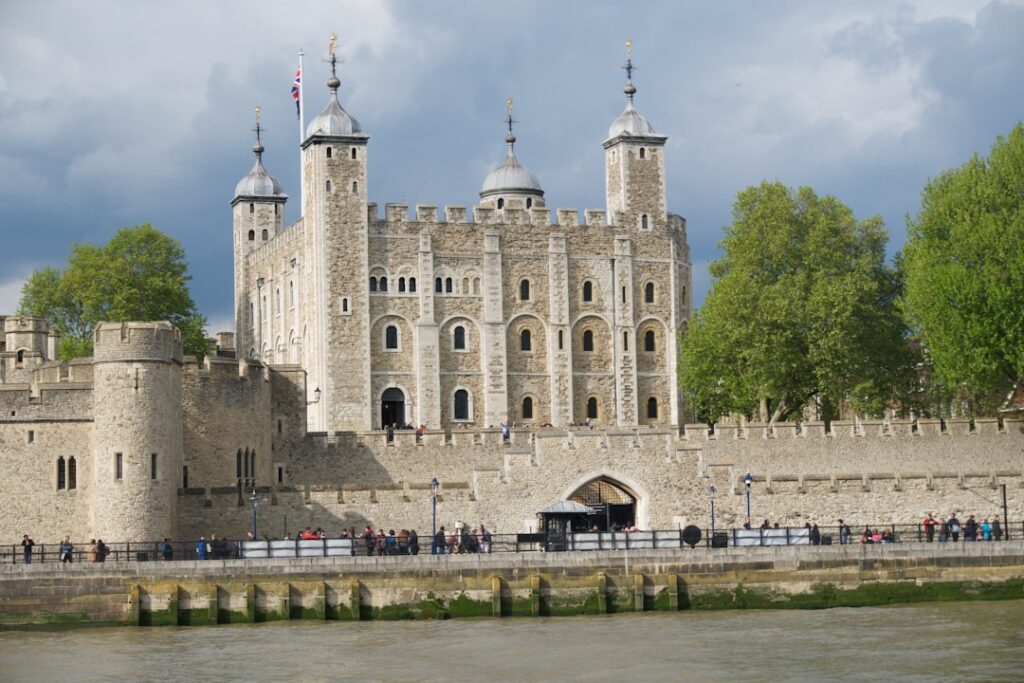
- Tower of London, Tower Hill, London EC3N 4AB. Hours: 09:00–17:30 (seasonal variations apply). Indicative price: adults ~€30, children ~€15.
- Buckingham Palace, Westminster, London SW1A 1AA. Hours: State Rooms open seasonally (July–Sept) 09:30–19:30. Tickets: around €30–40 depending on options.
- Heathrow Airport, Longford TW6, Hounslow. Open 24/7. Allow at least 3 hours for international flights if you need to sort immigration matters.
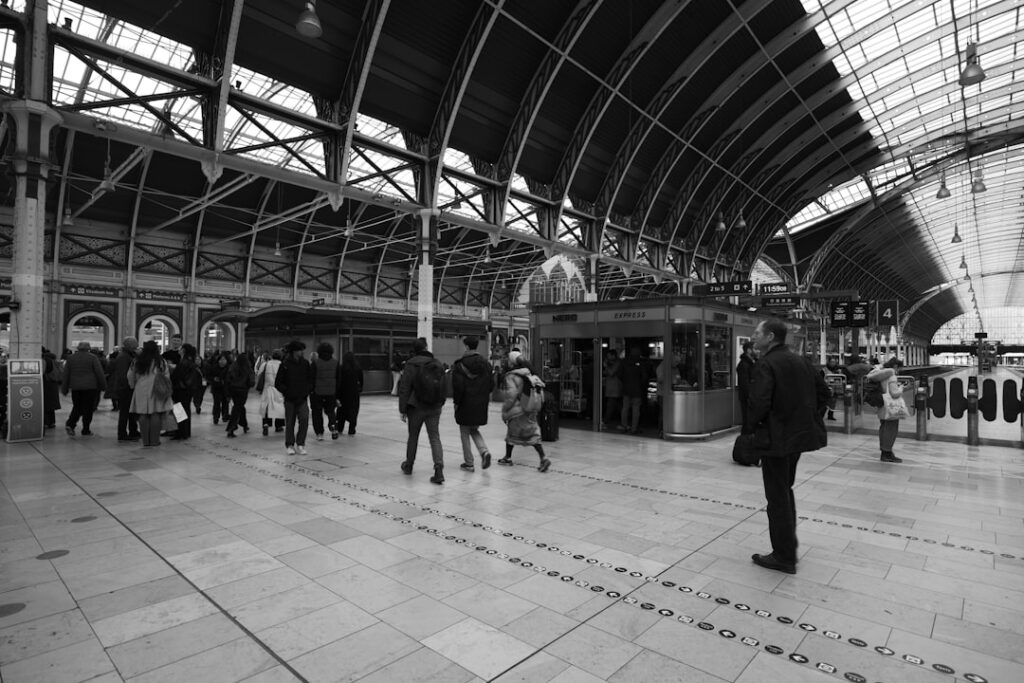
- Paddington Station, Praed Street, London W2 1HQ. Hours: rail services run early morning to late at night. Convenient for the Heathrow Express (15–20 minutes to Heathrow).
Local tips: if you’re waiting for a visa decision and must stay in London, book flexible accommodation (e.g. hotels with free cancellation). Use nearby print and copy services to provide extra paper documents if requested — many public libraries and co‑working cafés offer printing for around €0.10–0.50 per page.
Finally, keep both digital and printed versions of all tickets, hotel confirmations and payment receipts; immigration officers at the airport often ask for specific proof. If you’re unsure which visa category suits your situation, consult an immigration adviser or the official gov.uk site before booking any non‑refundable travel.
Conclusion — Preparing your trip to London with confidence
Traveling to London in 2026 means understanding clearly the type of entry you need: a tourist visit, a quick transit, participation in a paid engagement, a short course, or a trip to get married. Each situation corresponds to a distinct authorisation — Standard Visitor Visa, ETA, Transit visa, Permitted Paid Engagement, Short‑term Study or Marriage Visitor — with specific costs, durations and documentary requirements. To avoid unpleasant surprises at check‑in or on arrival (denied boarding, being returned to transit), prepare your online application in advance, book biometric appointments if required and keep both paper and digital copies of all supporting documents.
Practically, start by checking gov.uk to see whether your nationality requires an ETA or a visa. Calculate timelines and costs in euros (the amounts listed here are approximate 2026 conversions) and anticipate extra fees for appointment centres and translation services. In London, keep the useful addresses handy (Lunar House in Croydon for administration, British Museum and Tower of London for sightseeing) and allow ample time between formalities and tourist activities.
Above all, enjoy London once your paperwork is complete: stroll along the South Bank of the Thames, explore the museums, sample the stalls at local markets (Borough Market, 8 Southwark Street, London SE1 1TL) and use the extensive rail and tube network to get around efficiently. By respecting immigration rules and preparing your application carefully, your stay in London will be rewarding and trouble‑free. Have a great trip — and remember: the key to a successful visit is preparation, thorough documentation and a healthy curiosity for the streets and museums of this incomparable metropolis.