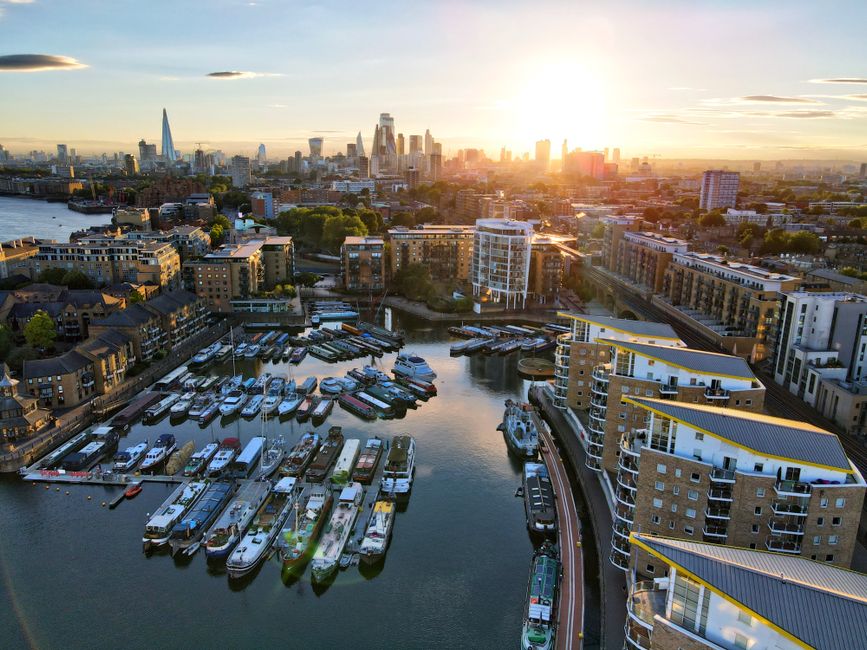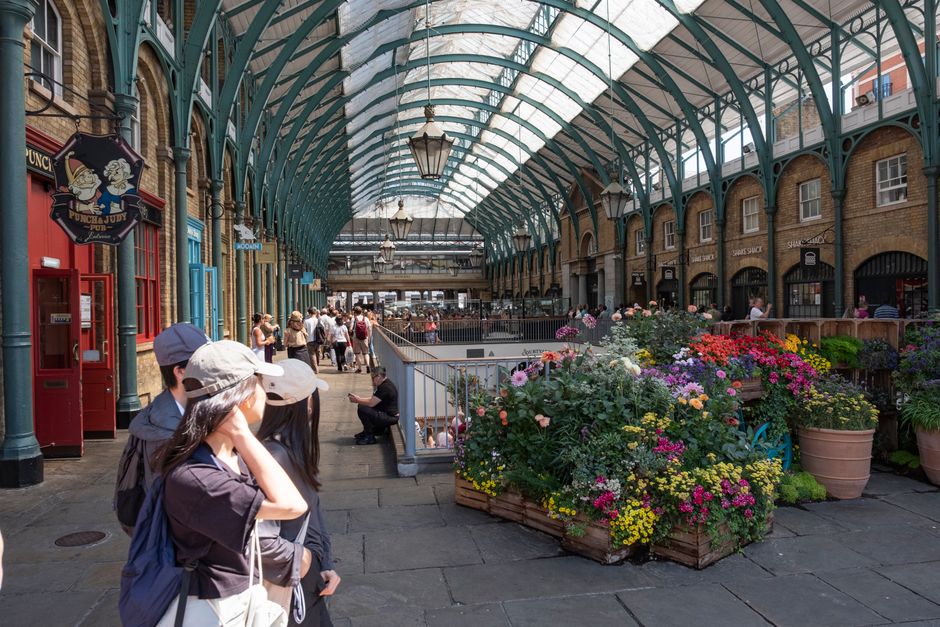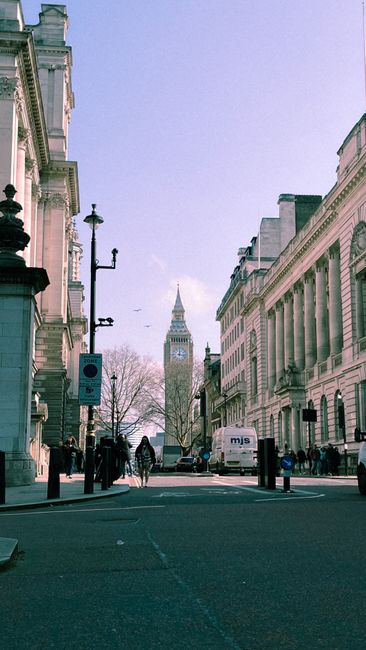






Introduction — Why this anti‑guide to London might be more useful than any Top 10
London is one of the world’s most visited capitals: centuries of history, world-class museums, contrasting neighborhoods and a constant stream of cultural innovation. Yet behind the postcards and the “must-see” lists lie experiences that are often overhyped, overcrowded, overpriced and underwhelming. This guide isn’t meant to trash the city — far from it — but to help you dodge the tourist traps that eat up your time, energy and budget. In short: how to enjoy a more authentic London by removing the things that mainly draw the crowds.
The attractions I describe here are all famous, well-located and easy to reach. They share a common issue: the promise often exceeds the reality. Endless queues, standardized experiences, eye-watering prices and heavy crowds make visits frustrating. For each attraction to avoid, I suggest local alternatives and practical tips to turn a few wasted hours into memorable moments. You’ll find practical info — exact addresses, opening times, approximate prices converted to euros — and tricks to beat the crowds or, when the experience is genuinely worthwhile despite its hype, how to make the most of it.
This guide is for all travelers: returning visitors wanting something different, time-pressed travelers looking to maximize value, and even first-timers who’d rather invest their trip in less touristy experiences. I’m not saying everything is bad — some attractions are worth seeing despite their tourist reputation — but it’s about spotting when an attraction is primarily a marketing product.
Prices shown are in euros to make comparison easier (they’re rough conversions from British pounds, based on average rates and rounded). Opening hours reflect typical practices but can change with the season or special events; always check official sites before you go. Finally, to make the article more visual, I’ve added image cues at the most picture-worthy moments: use those as search prompts (for example “London Eye river view at sunset”, “Buckingham Palace guards change close-up”). They’ll help if you’re building a photo album or presentation.
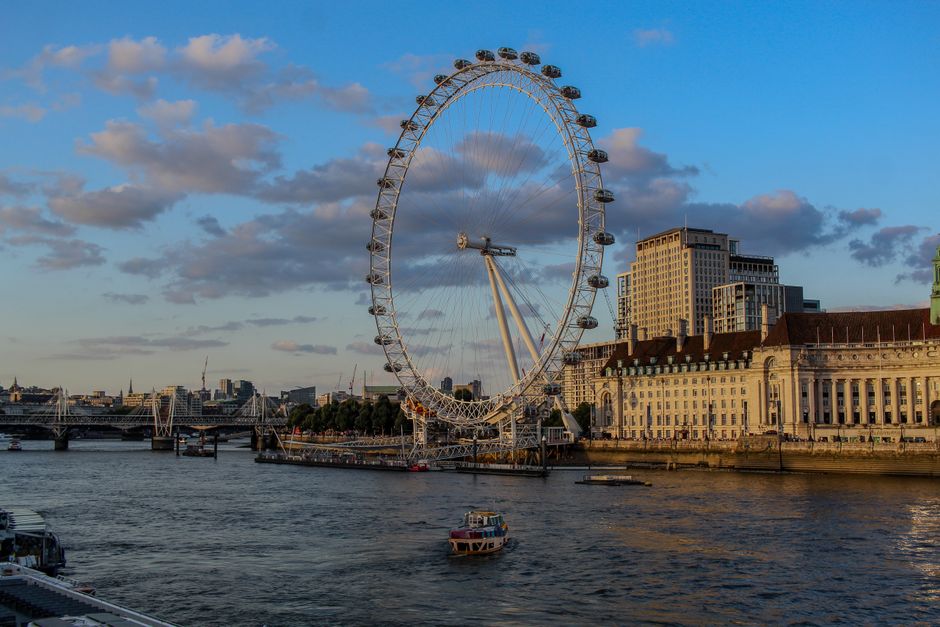

1. The London Eye — Riverside wheel with long queues and expensive tickets
Address: The London Eye, Riverside Building, County Hall, Westminster Bridge Rd, London SE1 7PB, United Kingdom.
Opening hours: generally 11:00–21:00 (varies by season), often reduced in bad weather.
Price: Standard adult ticket about €35–€40 (buy in person or online), fast-track tickets €45–€55. Child and family fares available; discounts online. (Approximate prices, converted from GBP.)
Why it’s overhyped: the iconic wheel does offer panoramic views, but the 30‑minute rotation can be ruined by typical London weather (fog, rain). Boarding queues can stretch an hour or more, even with a timed reservation. The touristy cabin atmosphere includes paid photos and a souvenir shop, which makes the experience feel commercial. If you’re hoping to photograph London from above, the capsule isn’t intimate and reflections often frustrate shots.
Local tips and alternatives: if you want a linear panoramic view, take a Thames cruise (Westminster Bridge → Tower Bridge): much cheaper, far more relaxed and often narrated. Another option is Primrose Hill (Primrose Hill Rd, NW3 4NR), free, open 24 hours and with a clear skyline view at sunset — perfect for a picnic. For a paid alternative that’s less touristy, try the Sky Garden (20 Fenchurch St, London EC3M 8AF): free entry with booking or modest fees for access to certain public areas.
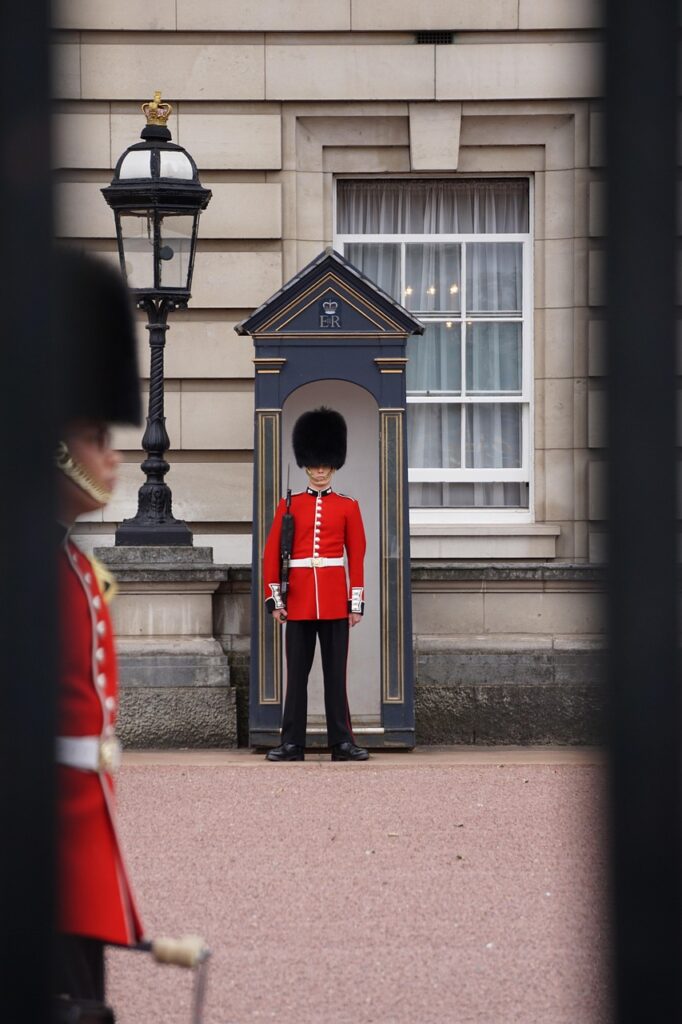
2. Buckingham Palace and the Changing of the Guard — Overcrowded spectacle, limited access
Address: Buckingham Palace, Westminster, London SW1A 1AA, United Kingdom.
Opening hours: the Changing of the Guard takes place on certain days (usually 10:30–11:30) per the official calendar; in summer (July–August) interior Palace tours run 09:30–19:30.
Price: Interior tour (summer) about €25–€45 depending on ticket type (adults); souvenir photos extra. Watching the Changing of the Guard is free outside the secure area; private guided tours for a closer view often cost €40–€80.
Why it’s overhyped: the Changing of the Guard has become an Instagram ritual: hordes of visitors cram against the gates, preventing any real immersion. You’ll often spend more time hunting for a good photo angle than enjoying the ceremony. Inside, public rooms are sectioned and limited; the historical interest is real, but the crowds cancel the serenity needed to appreciate it.
Local tips and alternatives: if you want to see British guards with fewer people, head to Horse Guards Parade (Whitehall, London SW1A 2AX) for the mounted ceremony, which is usually less packed than Buckingham. For a royal experience with less crowding, visit Kensington Palace (Kensington Gardens, London W8 4PX): exhibits are often smarter and more interactive, open 10:00–18:00 with tickets around €20–€25.
3. Madame Tussauds London — Famous faces but a packaged, touristy experience
Address: Madame Tussauds London, Marylebone Rd, London NW1 5LR, United Kingdom.
Opening hours: generally 09:30–17:00 / 18:00 depending on season; hours vary for evening sessions or special events.
Price: adult ticket about €30–€45 (variable); fast-track and combo packages (Madame Tussauds + London Eye, etc.) can reach €70+.
Why it’s overhyped: the wax figures are technically impressive, but crowded rooms and the need to wait to “pose” with each celebrity diminish the fun. Themed zones (Marvel, Star Wars) attract swarms of kids and teens, multiplying queues and noise. The experience is highly standardized: what you see in London will look familiar if you’ve been to other Tussauds sites.
Local tips and alternatives: for portraits of British historical figures, visit the National Portrait Gallery (St. Martin’s Pl, London WC2H 0HE): free entry for the permanent collection, open 10:00–18:00 with late openings on Fridays. If you’re after interactive fun, look into immersive theatre, escape rooms or VR experiences — they’re often more original and less packaged.

4. Oxford Street — Massive shopping, loss of character and shopper fatigue
Address: Oxford Street, London, runs from Hyde Park Corner to Tottenham Court Road (main section: Oxford St, London W1D, United Kingdom).
Opening hours: shops generally 09:00–20:00, extended hours on weekends and during sales.
Price: varies (major chains and international brands). Expect limited promotions and prices similar to other big European cities.
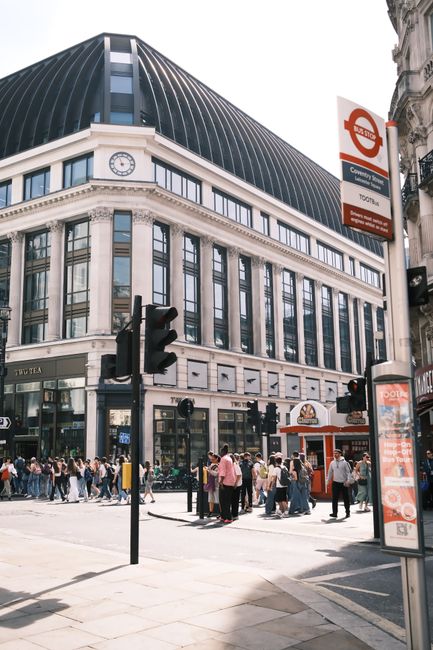
Why it’s overhyped: Oxford Street equals intense shopping: department stores (Selfridges, formerly Debenhams, Primark) and a constant flow of tourists. The experience quickly becomes tiring: noise, crowds, aggressive commercial signage. Many stores are international chains; authentic London finds are rare.
Local tips and alternatives: for more interesting shopping, head to Carnaby Street (Carnaby St, Soho, W1F 9PS) for concept stores and indie boutiques, or Marylebone High Street (Marylebone, W1U) for designers and gourmet shops. If you want the big-store vibe without Oxford Street’s crush, Selfridges (400 Oxford St, W1A 1AB) is still worth visiting — arrive early to avoid the crowds. For vintage and markets, try Portobello Road Market (Notting Hill, W11 1AN) on Saturdays.
5. Piccadilly Circus — A photo stop but little cultural depth
Address: Piccadilly Circus, Haymarket, London W1J 9HS, United Kingdom.
Opening hours: public space, accessible 24 hours. Nearby shops and theatres have variable hours.
Price: the square is free, but you’ll likely spend on bars, restaurants and shops nearby (expensive).
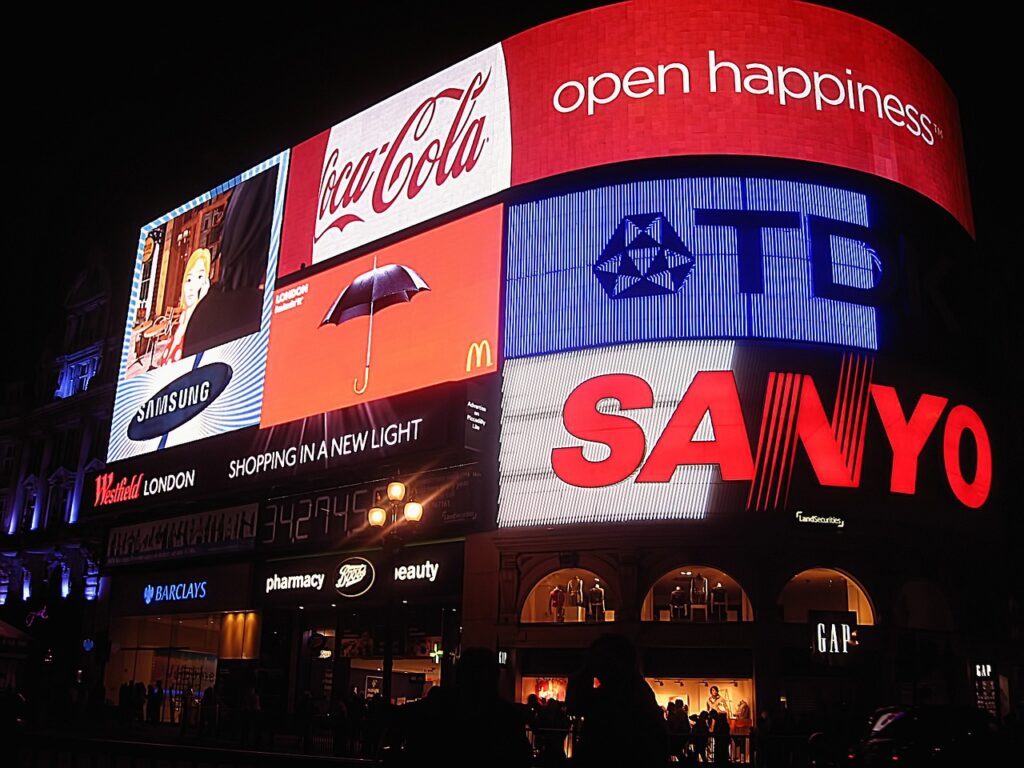
Why it’s overhyped: Piccadilly Circus is often billed as « London’s Times Square »: bright signs, crowds and buzz. In reality it’s a congested junction where you snap a photo and move on. Restaurants and bars around it charge tourist prices without delivering matching quality. Unless you enjoy urban bustle for a short while, it’s of limited interest.
Local tips and alternatives: to feel London’s energy without paying inflated prices, stroll through Covent Garden (Covent Garden, WC2E 8RF): street performers, small shops and food stalls (market hours around 10:00–18:00), with a more curated atmosphere. For neon-lit nightlife with better options, explore Soho (Denmark St, W1) which is full of bars and clubs.
6. The Shard — High price for a limited, commercialized view
Address: The Shard, 32 London Bridge St, London SE1 9SG, United Kingdom.
Opening hours: The View from The Shard generally 10:00–22:00 (hours vary by season).
Price: adult tickets about €30–€40 for the observation deck, fast-track and packages up to €60+. Panoramic restaurants are much pricier (menus often €50+ per person).
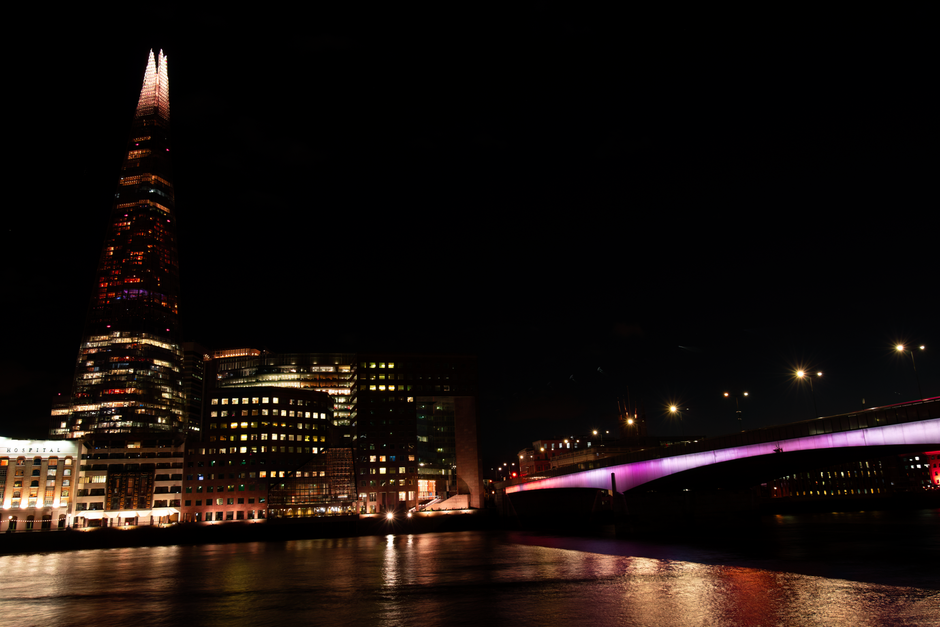
Why it’s overhyped: once Europe’s tallest tower, it promises stunning views. However, the admission price is steep, glass platforms can get crowded and sightlines are sometimes limited by the building’s structure. Panoramic restaurants sell the experience more than the food: expect touristy menus and high prices.
Local tips and alternatives: for a free or cheaper view, cross London Bridge and walk along the South Bank to Tate Modern (Bankside, London SE1 9TG): the museum terrace, certain cafés and bridges offer great perspectives. If you want a paid experience that’s easier to justify, Sky Garden (20 Fenchurch St, EC3M 8AF) offers free entry with booking or paid slots for cocktails in a lush setting.
7. Tower of London — Real history but physically demanding and pricey
Address: Tower of London, St Katharine’s & Wapping, London EC3N 4AB, United Kingdom.
Opening hours: generally 09:00–17:30 (hours vary by season and ceremonies).
Price: adult ticket about €25–€35; family rates and concessions available. Beefeater tours are included but crowds are unavoidable in high season.
Why it’s overhyped: the Tower is steeped in history (crowns, prisons, executions), but the visit can quickly become taxing: exposed walks in the wind, crowded exhibition spaces, and long waits to see the Crown Jewels. For time-pressed visitors, the ratio of waiting to worthwhile viewing often disappoints.
Local tips and alternatives: if medieval history interests you, try the Museum of London Docklands (No.1 Warehouse, West India Quay, London E14 4AL) for a less crowded, deeply documented experience (most exhibitions free). For a riverside perspective with fewer people, visit the Tower Bridge Exhibition (Tower Bridge Rd, London SE1 2UP): it’s about €10–€15 and gives a different technical and historical angle.
8. Borough Market — Famous foodie market but crowded sidewalks and inflated prices
Address: Borough Market, 8 Southwark St, London SE1 1TL, United Kingdom.
Opening hours: mainly open Thursdays 11:00–17:00, Fridays 10:00–17:00, Saturdays 08:00–17:00; stall hours vary on weekends.
Price: snacks and small plates €3–€15 depending on origin and size; gourmet dishes and nearby restaurants €15–€30+.
Why it’s overhyped: Borough Market is a must for food lovers but has been overrun by tourism. Stalls that once sold local produce have been partly replaced by visitor-focused vendors, with small portions and steep prices. Crowds make it hard to linger — you’ll likely eat standing in a crush.
Local tips and alternatives: for a more authentic market feel, try Maltby Street Market (Ropewalk, Bermondsey, SE1 3PA) on weekends — it’s cozier and artisan-focused. Broadway Market in Hackney (London E8 4PH) on Saturdays strikes a great balance between artisanal food and neighborhood vibe. If you love Borough Market but want calm, come early in the morning (at opening) or on a weekday to dodge the masses.
9. Camden Market — Once alternative, now industrial-scale tourist attraction
Address: Camden Market (mainly Camden Lock Market), Camden Lock Pl, London NW1 8AF, United Kingdom.
Opening hours: most markets and shops open 10:00–18:00 (very busy at weekends).
Price: souvenirs, clothes and street food €5–€40 depending on item; nearby restaurants €15–€30.
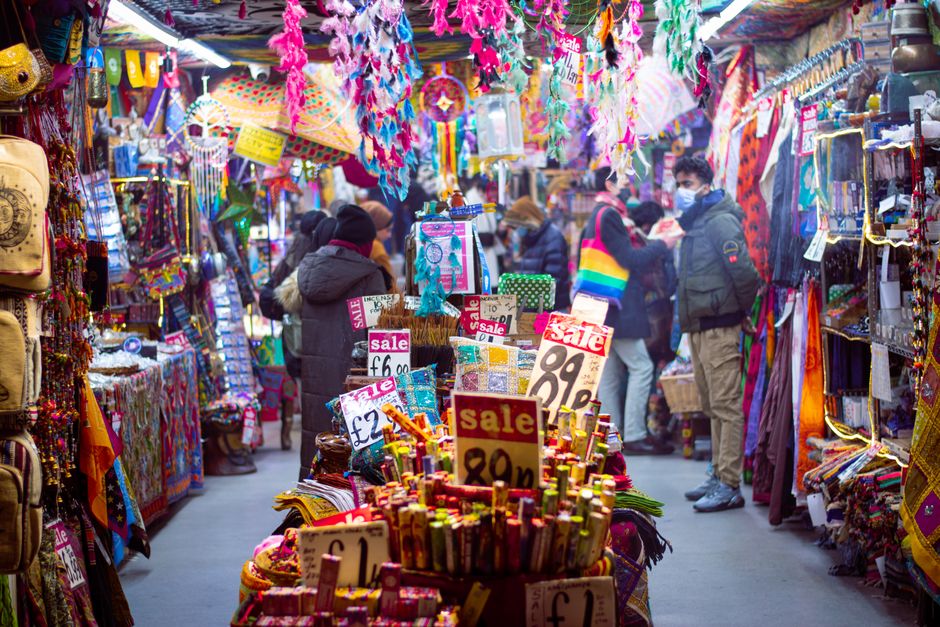
Why it’s overhyped: Camden used to symbolize London’s alternative scene. Today the market is a mix of souvenir shops, chains and repetitive stalls. The canal is photogenic but that look has been heavily monetized. Pushy vendors and queues at popular stalls reduce any sense of authenticity.
Local tips and alternatives: for a less touristy alternative, explore markets like Broadway Market (Hackney) or Columbia Road Flower Market (Columbia Rd Flower Market, London E2 7RG) on Sundays for plants and a neighborhood atmosphere. For live music and authentic alternative scenes, check listings at venues like Roundhouse (Chalk Farm Rd, NW1 8EH) for a more genuine vibe.
10. Harrods and Kensington High Street — Luxury often out of reach and a sanitized premium experience
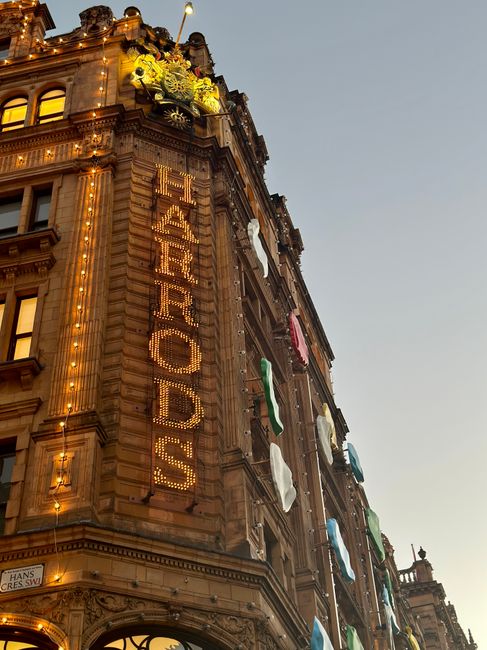
Address: Harrods, 87–135 Brompton Rd, Knightsbridge, London SW1X 7XL, United Kingdom. Kensington High Street, Kensington, London W8 / W14 depending on the section.
Opening hours: Harrods 10:00–21:00 (may vary); Kensington shops typically 09:00–19:00.
Price: luxury goods with widely varying prices: Harrods afternoon tea €50+ per person for a salon experience; shopping can be very expensive.
Why it’s overhyped: Harrods is a symbol of British luxury but visiting often feels more like sightseeing than service: lavish window displays and an impressive food hall, but staff can be distant and prices sky-high. Kensington High Street has upscale brands but not necessarily unique finds. The streets are pretty, but shopping can quickly become impulse spending.
Local tips and alternatives: to admire architecture and shopfronts without splurging, stroll around Knightsbridge and enjoy a neighborhood café to watch the scene rather than buying. If you want high-quality British products without the flashy brand, explore artisan shops on Marylebone High Street or the gourmet stalls at Borough Market (in the morning) for genuine discoveries.
Conclusion — Avoiding doesn’t mean giving up: choose better to love London
London isn’t a city to boycott: it’s a metropolis bursting with options for every taste. But, as anywhere, an attraction’s fame doesn’t always equal a quality experience. The ten places in this anti‑guide are iconic, yes, but for each there’s a more authentic, cheaper or simply less frustrating alternative. The principle is simple: prioritize experiences that give you quality time, real discovery and contact with the city rather than just a souvenir photo.
Before you plan your day, ask yourself: do I want to see “what everyone sees” or what will genuinely move me? If time is tight, pick two neighborhoods or themes (museums, markets, walks, historic pubs) and explore them thoroughly. Use the local tips here: arrive early, avoid peak tourist hours, favor free museums or neighborhood strolls, and visit markets outside the busiest days. By choosing this way, you’ll turn an overhyped visit into a personal, lasting experience.
Also keep London’s weather and seasonality in mind. Many attractions’ appeal changes dramatically with the weather and visitor numbers. Always check official hours and online availability, book if needed, and have backup plans (rain, partial closures). London is a city of discoveries: by dodging tourist traps you give yourself the chance to rediscover it from a more human, richer and often cheaper angle. Safe travels — and let the unexpected surprise you more than the obligatory stops.