





Introduction — Why a must-see London museums itinerary in 2 days
London is one of the world’s cultural capitals: a city where history, art, science and curiosity collide in museums that are often accessible—and frequently free—and whose sheer breadth can overwhelm a time-pressed visitor. If you only have 48 hours, planning is essential to make every hour count. This practical, detailed guide offers a must-see London museums itinerary for 2 days, designed to combine iconic works, memorable architecture, standout temporary exhibitions and sensible breaks—covering the Tube, cafés, entry tips and time management.
We’ve focused on two complementary hubs: the Bloomsbury / Trafalgar Square area (the historical and artistic core) and the South Kensington / South Bank stretch (concentration of science and design museums). The goal isn’t to see everything, but to have a coherent, immersive experience with well-paced visits, key photo spots, meal suggestions and local tips to skip queues. Each museum includes practical info: exact address, opening hours, ticketing (prices in euros, approximate conversion), a detailed description of the collections and recommendations of must-see works or spaces.
This guide is written for a general audience: weekend travelers, families with curious kids, art and science lovers, and professionals wanting to make the most of a short stay. The tone is informative and practical: tight but doable walking or Tube-friendly routes, realistic visit durations, and alternatives if a show is sold out. You’ll also find local advice—when to book, how to use pay-as-you-go cards (Oyster/contactless), where to grab a quick lunch without losing time, and the best spots for photographs.
Finally, because London is as much to be seen as to be read about, I’ve included visual markers 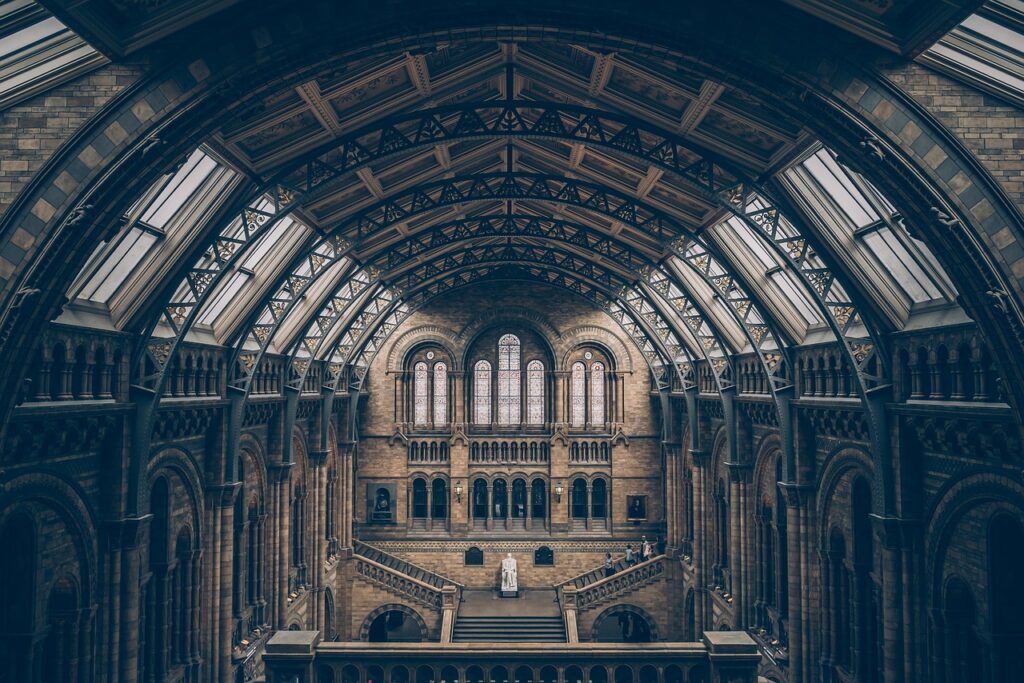 to help you picture the places before you go. The suggested photos highlight architecture, friezes, grand halls and landmarks. Pack your travel pass, a Tube map and a comfortable pair of shoes—two busy days full of knowledge, masterpieces and moments of reflection await.
Day 1 — Bloomsbury and the historic core: British Museum, National Gallery, Wallace Collection
Your first day should make the most of Bloomsbury and central London’s museum density. Start early at the British Museum, then head to Trafalgar Square for the National Gallery, and finish the evening at the Wallace Collection, a frequently overlooked gem that’s perfect for a quieter end to the day. This sequence minimizes travel and maximizes masterpieces reachable on foot or a short Tube ride.
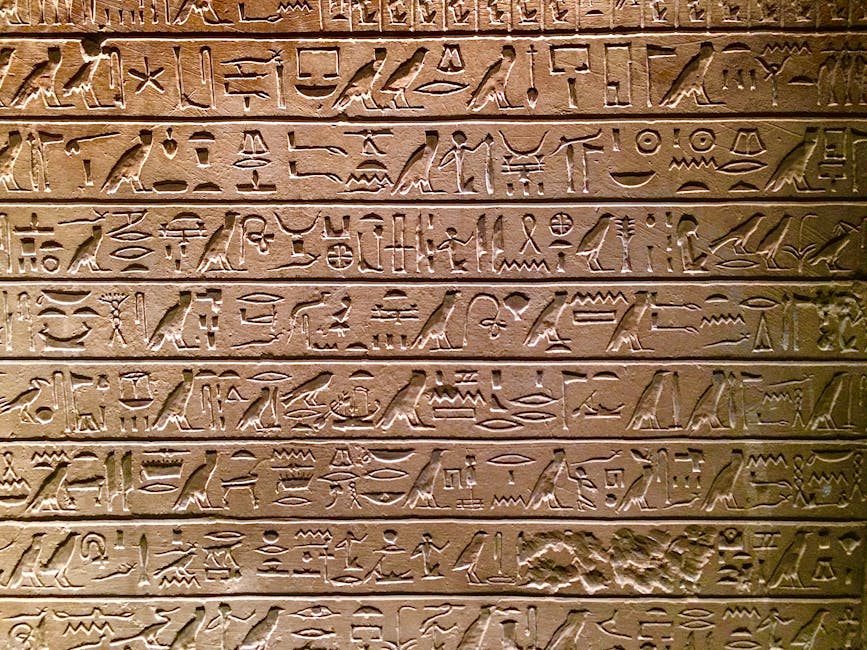
- British Museum — Address: Great Russell St, Bloomsbury, London WC1B 3DG. Opening hours: typically 10:00–17:00, extended to 20:30 on Fridays (check public holidays). Price: free entry to permanent collections; temporary exhibitions roughly €15–€25 depending on the show (approx.). Description: Founded in 1753, the British Museum houses universal collections: the Rosetta Stone, the Parthenon frieze (Parthenon Sculptures), Egyptian mummies, Asian bronzes and artifacts from around the world. The reading room and Norman Foster’s Great Court with its glass dome are architectural highlights. Tips: arrive at opening for the Rosetta Stone and the Egyptian rooms, book temporary exhibitions online if possible and pick up a museum map at the entrance to orient your visit.
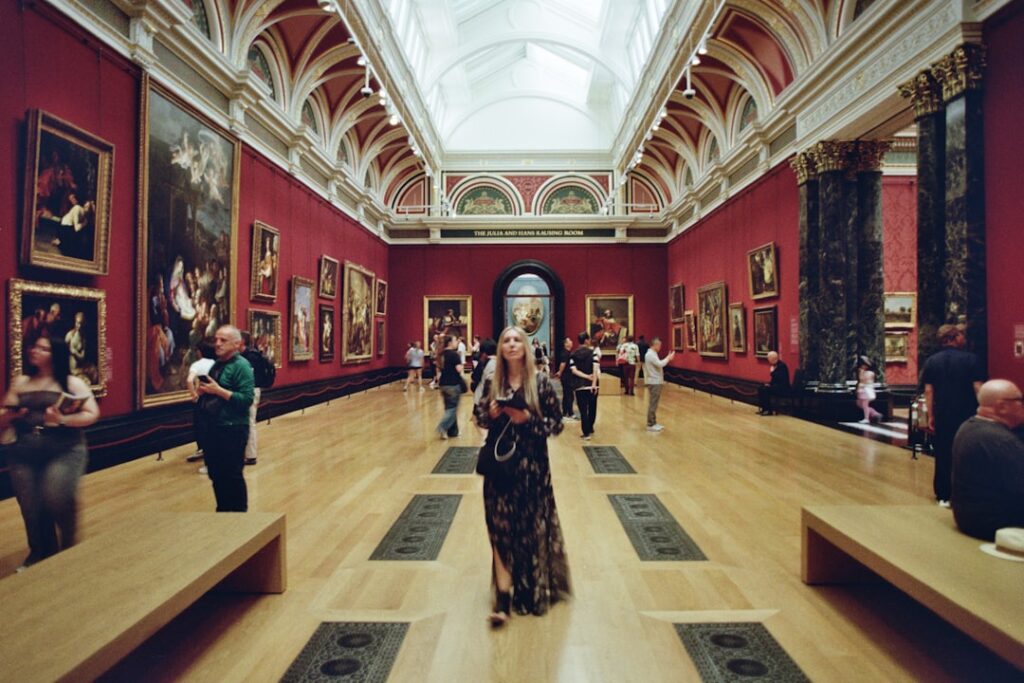
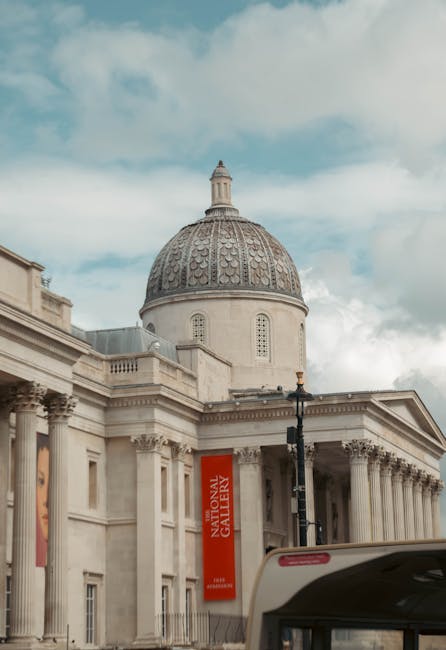
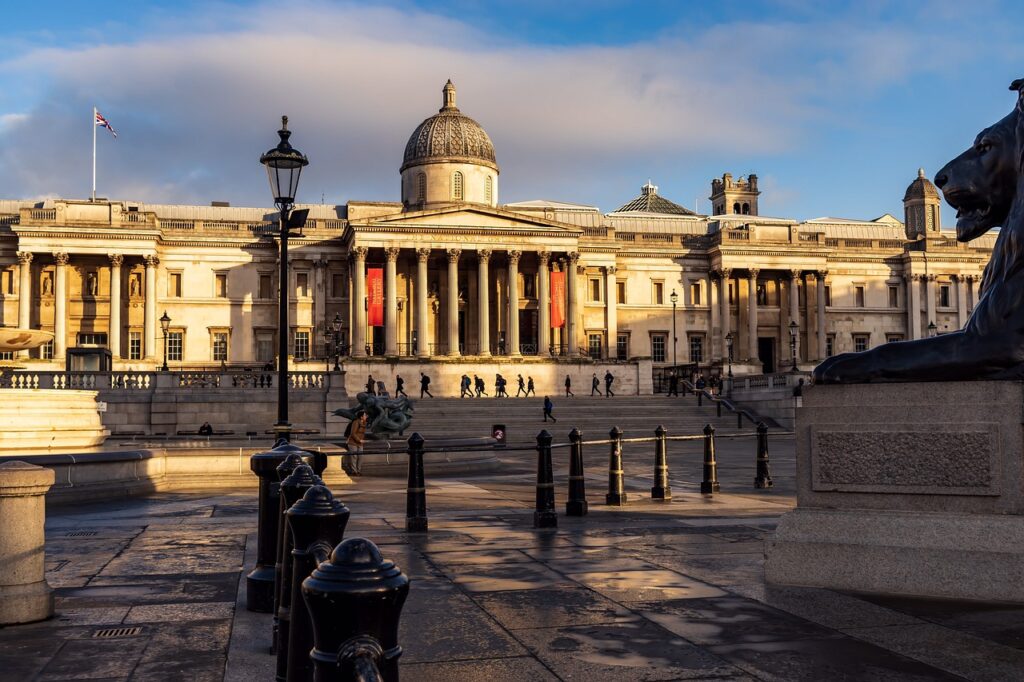
- National Gallery — Address: Trafalgar Square, London WC2N 5DN. Opening hours: 10:00–18:00, often open until 20:00 on Fridays. Price: free entry to the permanent collection; special exhibitions about €12–€22 (approx.). Description: The National Gallery houses European paintings from the 13th to the 19th century: Van Gogh (The Sunflowers), Turner, Monet, Botticelli, Leonardo da Vinci and Titian. The galleries are bright and well laid-out on Trafalgar Square, with informative labels and audio guides in several languages. Tips: look out for John Constable’s The Hay Wain and the Impressionist rooms; enjoy the terrace café for views over Trafalgar Square in the late afternoon.
- Wallace Collection — Address: Hertford House, Manchester Square, London W1U 3BN. Opening hours: generally 10:00–17:00, closed Mondays (check before visiting). Price: free entry to the permanent collection; special exhibitions approximately €8–€15. Description: Housed in a magnificent aristocratic townhouse, the Wallace Collection displays paintings, furniture, armour and porcelain, with works by Frans Hals, Velázquez and Canaletto. The atmosphere is intimate: decorative ceilings, formal salons and a lovely picture gallery ideal for an evening visit. Tips: this collection is perfect after the crowds of larger institutions; an excellent spot for photographing classic English interiors.
Suggested timed itinerary for Day 1:
- 09:45 — Arrive at the British Museum, visit begins at 10:00. 2–3 hours (permanent collections + one exhibition if booked).
- 13:15 — Quick lunch in Bloomsbury (cafés around Great Russell St); 45–60 minutes.
- 14:30 — Walk to Trafalgar Square / National Gallery, visit 1.5–2 hours.
- 17:00 — Head to the Wallace Collection (30 minutes by Tube or 20–30 minutes on foot depending on pace), visit 1–1.5 hours.
- 19:00 — Dinner in Marylebone / Fitzrovia — plenty of restaurants and pubs to round off the evening.
Practical local tips:
- Use an Oyster card or contactless payment for transport, and allow 2–3 hours extra for queues during major exhibitions.
- Baggage: large bags may need to be left at the cloakroom or kept out of main galleries.
- Photography: allowed in many rooms without flash; check restrictions for temporary exhibitions.
Day 2 — South Kensington and South Bank: V&A, Natural History, Science Museum, Tate Modern, Globe
The second day explores London’s southern museum hub: South Kensington, home to the museum triangle (Victoria & Albert, Natural History Museum, Science Museum), followed by a crossing of the Thames to the South Bank for the Tate Modern and Shakespeare’s Globe. This day offers a varied intellectual mix: design, natural history, hands-on science and contemporary art.
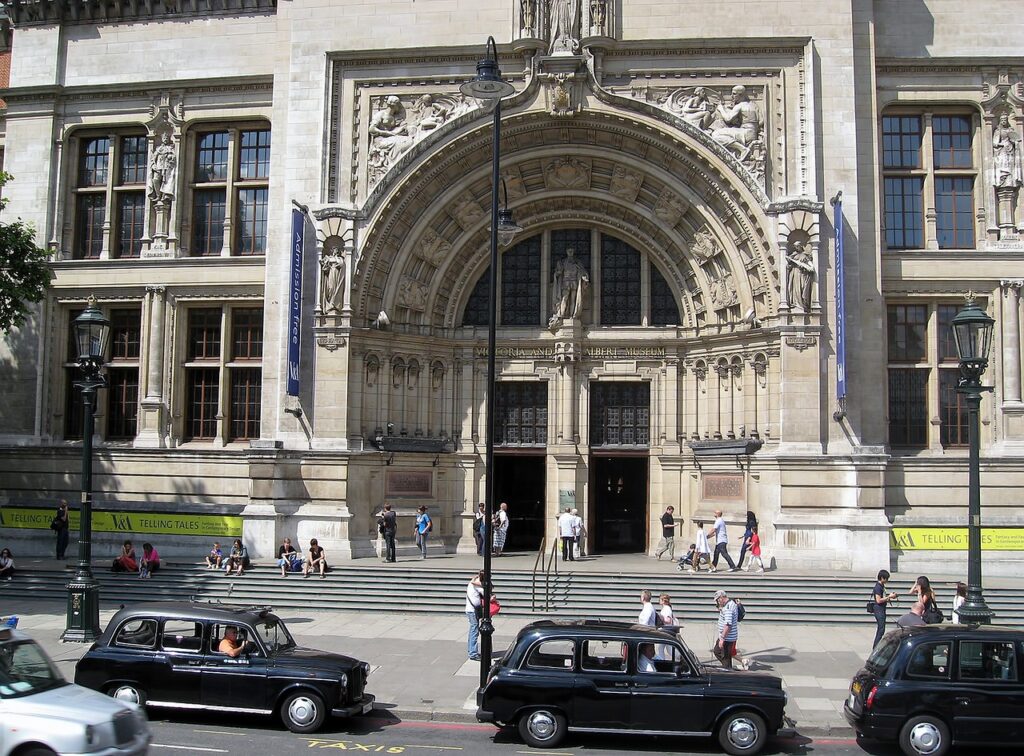
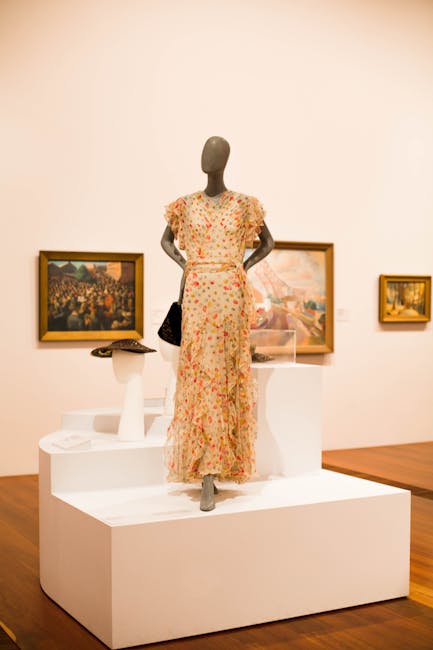
- Victoria and Albert Museum (V&A) — Address: Cromwell Rd, Knightsbridge, London SW7 2RL. Opening hours: 10:00–17:45 (some late evenings for events). Price: free entry to the permanent collection; special exhibitions €12–€25. Description: The V&A is the world’s leading museum of decorative arts and design. Galleries span fashion, sculpture, Asian art, metalwork and ceramics. Highlights include Gothic sculpture, the fashion gallery and the South Asian collections. The interior architecture features grand staircases and ornate courtyards. Tips: book a fashion gallery tour if you’re into historic costume; audio guides and public guided tours are very informative.
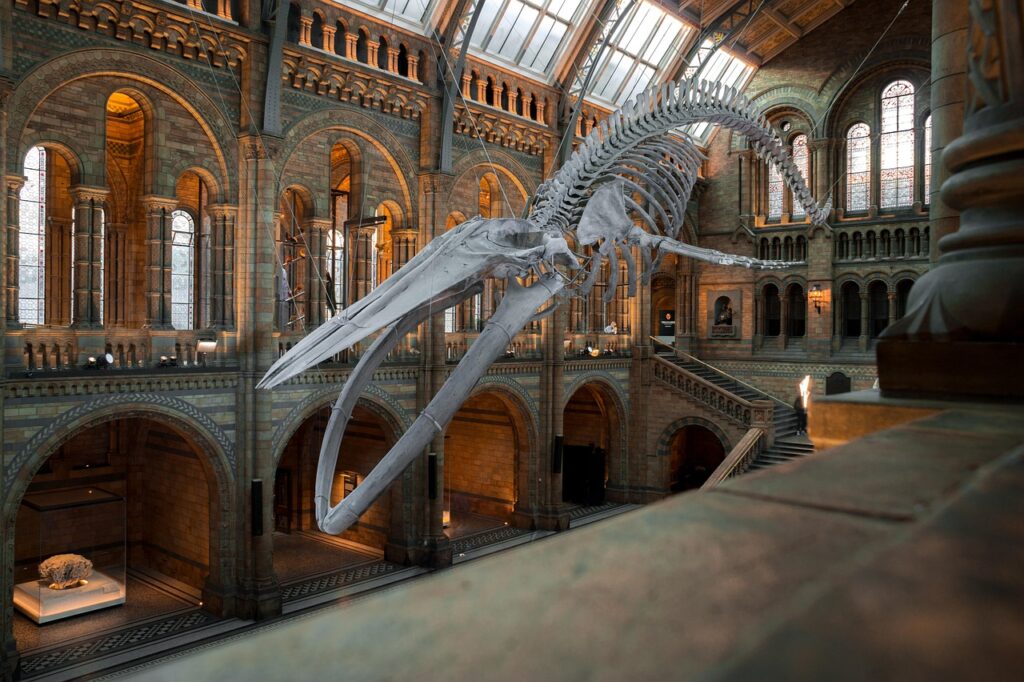
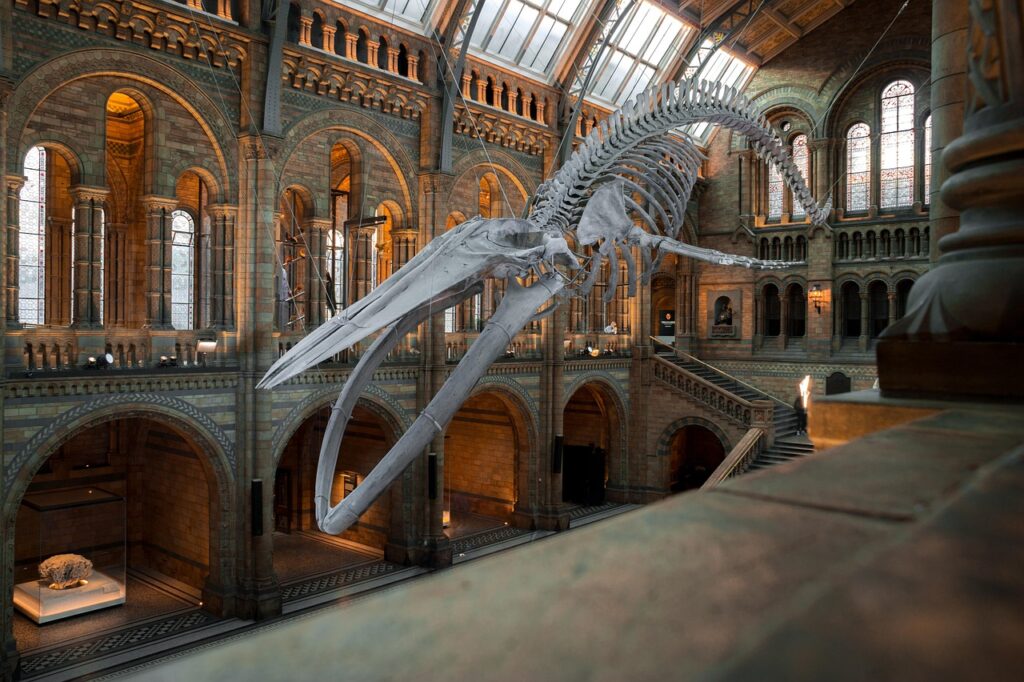
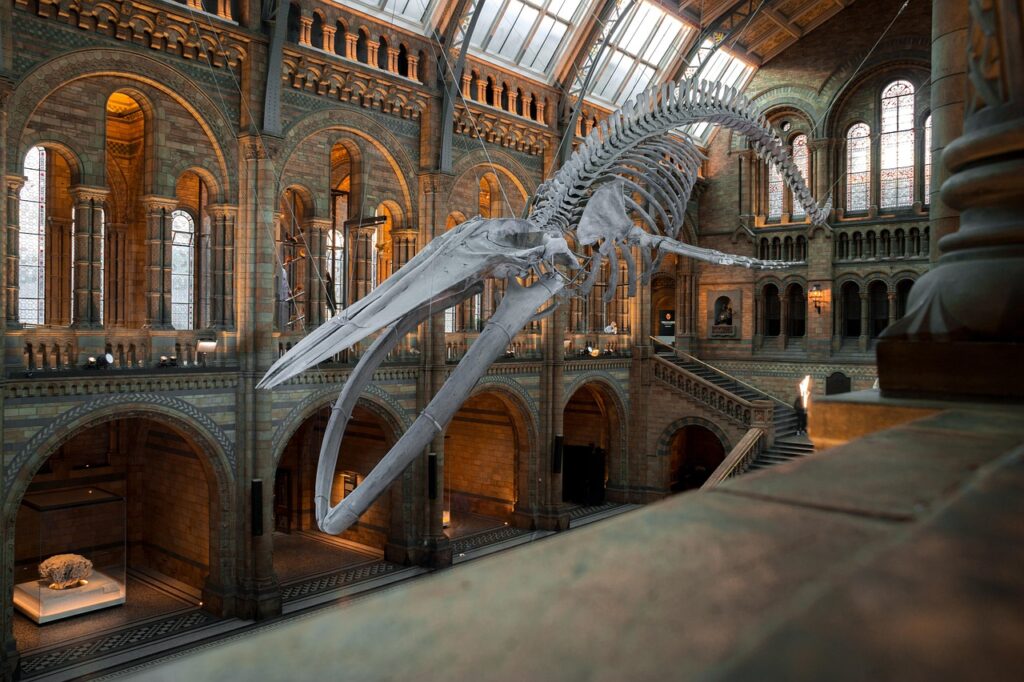
- Natural History Museum — Address: Cromwell Rd, South Kensington, London SW7 5BD. Opening hours: 10:00–17:30 (check for late events). Price: free entry to permanent collections; some special exhibitions and galleries charged around €10–€20. Description: Famous for Hintze Hall and the dramatic suspended blue whale skeleton, the Natural History Museum pairs stunning Victorian architecture with interactive displays: dinosaurs, minerals and biodiversity. Families will love the dinosaur gallery and the volcanoes section. Tips: queues can be long in the morning—aim for opening or later in the day. Book ticketed exhibitions (e.g. a T. rex exhibition) in advance.
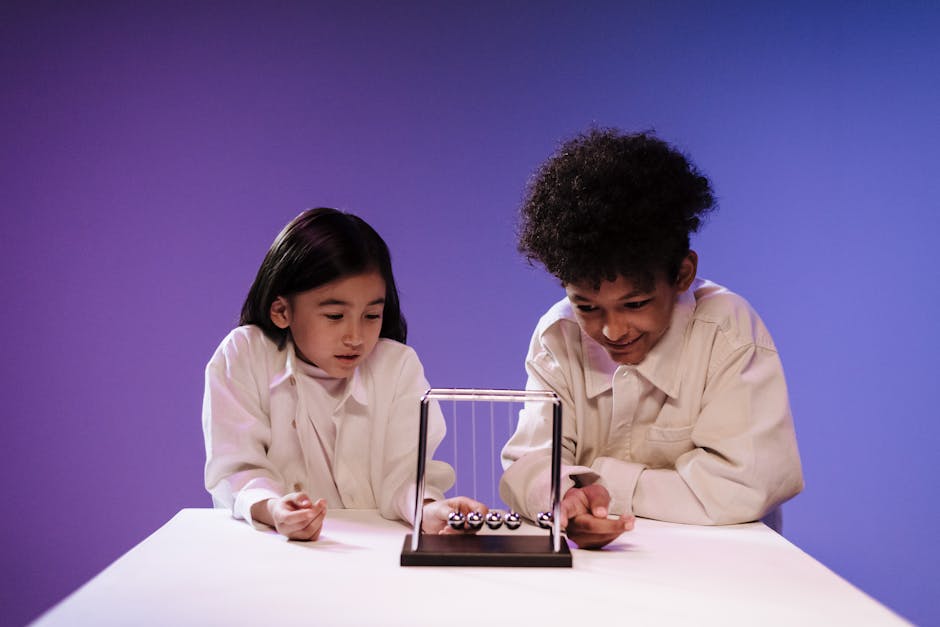
- Science Museum — Address: Exhibition Rd, South Kensington, London SW7 2DD. Opening hours: 10:00–18:00. Price: free entry to the permanent collection; some attractions (IMAX, special exhibits) cost around €8–€20. Description: The Science Museum charts scientific and technological innovation: historic locomotives, space modules, interactive galleries for children (Wonderlab) and medical exhibits. It’s an ideal hands-on, immersive experience. Tips: Wonderlab is very popular—reserve time slots if you’re with children. Simulators and demos run at set times, so check the schedule on arrival.
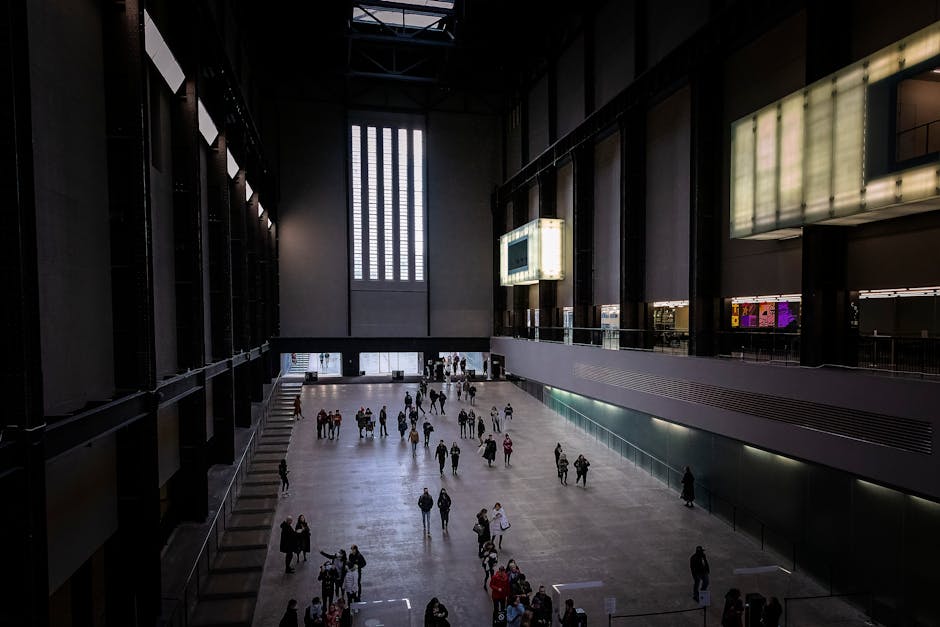
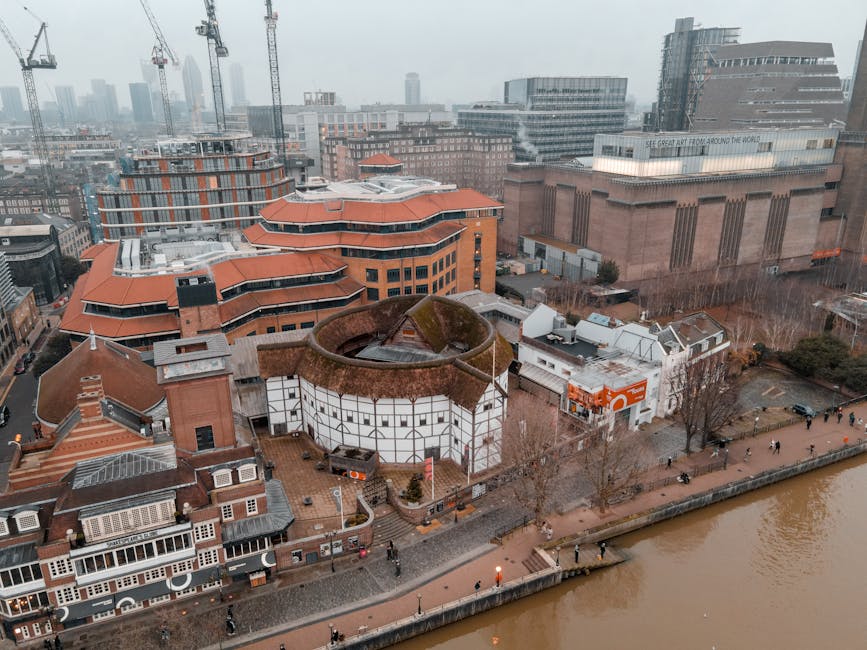
- Tate Modern — Address: Bankside, London SE1 9TG. Opening hours: 10:00–18:00 (some late evenings, e.g. Thursdays/Fridays until 22:00 depending on season). Price: free entry to the permanent collection; temporary exhibitions €12–€25. Description: Housed in a former power station on the Thames, the Tate Modern is a monumental space for international contemporary art: large-scale installations, the Turbine Hall and a café terrace with views of the City. Highlights include works by Picasso, Rothko and Hockney plus rotating large-scale installations. Tips: the Turbine Hall alone is worth the visit; explore upper floors for a quieter experience and views of St Paul’s Cathedral.
- Shakespeare’s Globe — Address: 21 New Globe Walk, Bankside, London SE1 9DT. Opening hours: Museum and guided tours typically 10:00–17:00; performance times vary (evenings and matinees). Price: Globe Exhibition & Tour around €20–€25 (approx.). Description: The Globe offers a faithful reconstruction of the Elizabethan playhouse and an immersive exhibition on Shakespeare’s work. Seeing a performance or taking the guided tour gives a vivid sense of theatrical history. Tips: if possible, book a performance for a matinee or evening; guided tours are limited in size—book online in advance.
Suggested timed itinerary for Day 2:
- 09:30 — Arrive in South Kensington: start at the V&A (2 hours).
- 12:00 — Natural History Museum (1.5–2 hours); lunch at the café or in South Kensington (quick family-friendly options).
- 15:00 — Science Museum for interactive exhibits (1.5–2 hours) or alternative: spend more time at the V&A if you’re passionate about design.
- 17:00 — Walk or bus across to Bankside: Tate Modern for early evening (1.5–2 hours).
- 19:30 — Globe: a quick tour or a performance depending on timing; dinner on Bankside (riverside restaurants and bars).
Practical local tips:
- Book temporary exhibitions and Globe tours in advance, especially in high season.
- South Kensington is very walkable: the three museums are adjoining and just minutes apart.
- To save time, download museum maps and mark must-see works before you enter.
Experiences, immersive details and extra tips for each museum
Beyond logistics, it helps to know the specific experiences that make each place special:
- British Museum — archaeological immersion: From the moment you enter, the Great Court creates a theatrical sense of scale; wander to the Rosetta Stone and the Egyptian rooms, then head upstairs to the Asian collections. Take time to read labels about the history of acquisitions—they tell stories about colonial history and current debates over repatriation. Tip: themed guided tours (30–60 minutes) run by the museum offer valuable interpretive angles.
- National Gallery — a pictorial journey: The gallery lends itself to a chronological reading: start on the ground floor with Italian and Flemish masters, then move up to the Impressionists. Labels and audio guides (usually €5–€7) can turn a casual look into an art history lesson. Tip: Friday evenings are great for a less crowded visit.
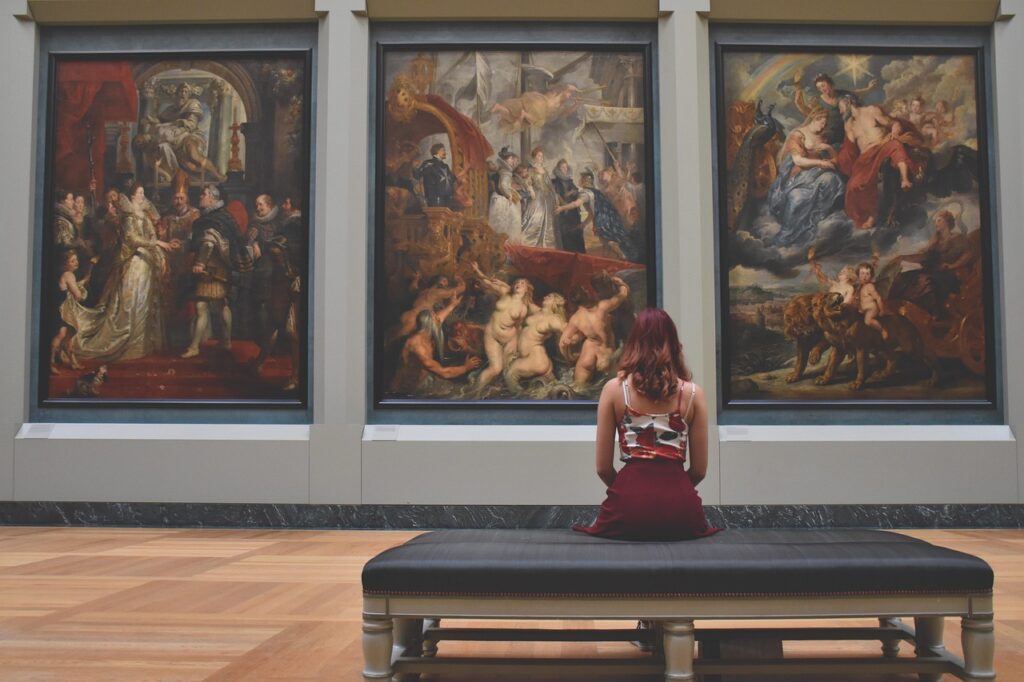
- V&A — touching design: The V&A reads like a design manual: materials, techniques and contexts of use. Fashion and contemporary design galleries show how the past influences the present. Tip: check the schedule for workshops and talks, often free with admission.
- Natural History Museum — the scientific side: The displays blend Victorian aesthetics with modern interactives: sounds, videos and hands-on exhibits. Hintze Hall and the dinosaur gallery are must-sees for visitors of all ages. For a deeper dive, attend the scheduled educational demonstrations.
- Science Museum — playful and educational: Interactive galleries (Wonderlab, Wonder Materials) are designed to spark curiosity. Bring kids—their hands-on testing and experiments make the museum come alive. Check the show schedules for live demonstrations.
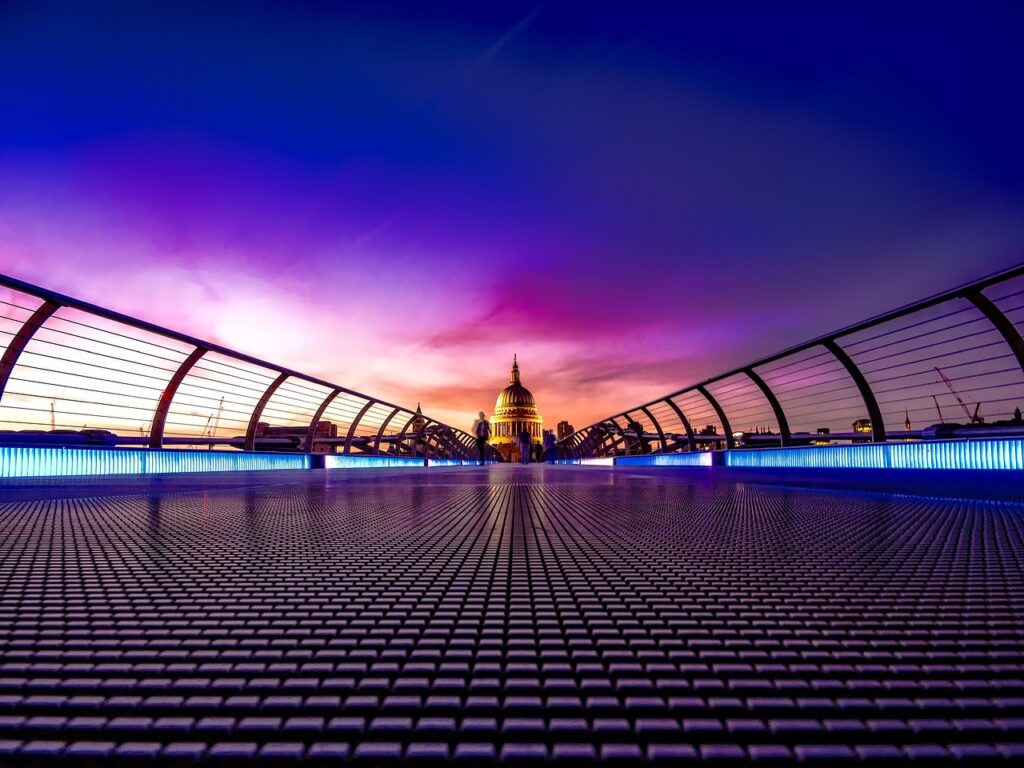
- Tate Modern — monumental art: Scale matters here: the Turbine Hall hosts rotating installations that question public space. Head up to the upper floors to find quieter rooms and major paintings. Photo tip: the upper walkway offers a superb view across to the north bank and St Paul’s.
- Shakespeare’s Globe — living theatre: The Globe blends museum and stage: the exhibition traces Elizabethan theatre production while performances celebrate the standing-yard experience. Tip: for authenticity, buy a “groundling” ticket (standing) if you want to be close to the action; otherwise choose side seats for more comfort.
Practical logistics, prices, transport and crowd-avoidance tips
To make the two days efficient, a few logistical points are essential: accurate opening times, euro prices (approximate), transport and ways to avoid crowds.
- Typical opening hours (subject to change):
- British Museum: 10:00–17:00 (Fridays sometimes until 20:30).
- National Gallery: 10:00–18:00 (Fridays often until 20:00).
- Victoria and Albert Museum: 10:00–17:45.
- Natural History Museum: 10:00–17:30.
- Science Museum: 10:00–18:00.
- Tate Modern: 10:00–18:00 (some late nights).
- Shakespeare’s Globe (Exhibition & Tour): 10:00–17:00 (performance times vary).
- Approximate prices in euros (May 2026, indicative conversions):
- Permanent collections (British Museum, National Gallery, V&A, Natural History, Science Museum, Tate Modern): free. Temporary exhibitions: €10–€25 depending on the museum.
- Wallace Collection: free (special exhibitions €8–€15).
- Shakespeare’s Globe Exhibition & Tour: around €20–€25 (tour + exhibition ticket).
- Audio guides / guided tours: €5–€20 depending on duration and language.
- Transport:
- Oyster card / contactless: the Tube and bus network is the fastest way around. Buy an Oyster on arrival or pay by contactless card.
- Central zones: Bloomsbury, Trafalgar Square, South Kensington and Bankside are all in zones 1–2: most journeys will be covered by the automatic daily fare cap.
- Walking: many suggested transfers are 20–40 minutes on foot; bring comfortable shoes.
- Crowd-busting tips and booking advice:
- Arrive at opening for iconic pieces (Rosetta Stone, Hintze Hall, Turbine Hall).
- Book temporary exhibitions and guided tours online—especially during high season (April–October).
- Schedule lunch at off-peak times (11:30 or 14:30) to avoid queues at cafés.
- Check opening days: some smaller museums (e.g. Wallace Collection) may be closed on Mondays.
Conclusion — Make the most of two cultural days in London
A must-see London museums itinerary in 2 days is ambitious but achievable if you prioritize, plan and keep a steady pace. The two hubs recommended (Bloomsbury/Trafalgar and South Kensington/South Bank) balance ancient art, decorative arts, natural history, science and contemporary art—a palette that showcases London’s cultural diversity. Visiting the British Museum in the morning, alternating with the National Gallery and then sinking into the intimate Wallace Collection in the evening provides a satisfying contrast between grand halls and cozy salons. Day two’s museum triangle in South Kensington followed by a Thames crossing to Bankside lets you pair design and scientific discovery with contemporary installations, capped by a Globe performance or the visual power of the Tate Modern.
Practical takeaways: download museum maps before you go, book temporary exhibitions and tours in advance, arrive early for major works and build in coffee breaks to process what you’ve seen. Remember most permanent collections are free—a major advantage that encourages repeat visits to dig deeper into less-explored sections. Finally, leave some flexibility: if a museum captivates you, adjust the schedule rather than rushing through. The goal is to bring home not only photos, but a richer understanding of the stories, techniques and contexts that make each object, painting or installation unique.
Have a great trip, and enjoy these two days full of discoveries!