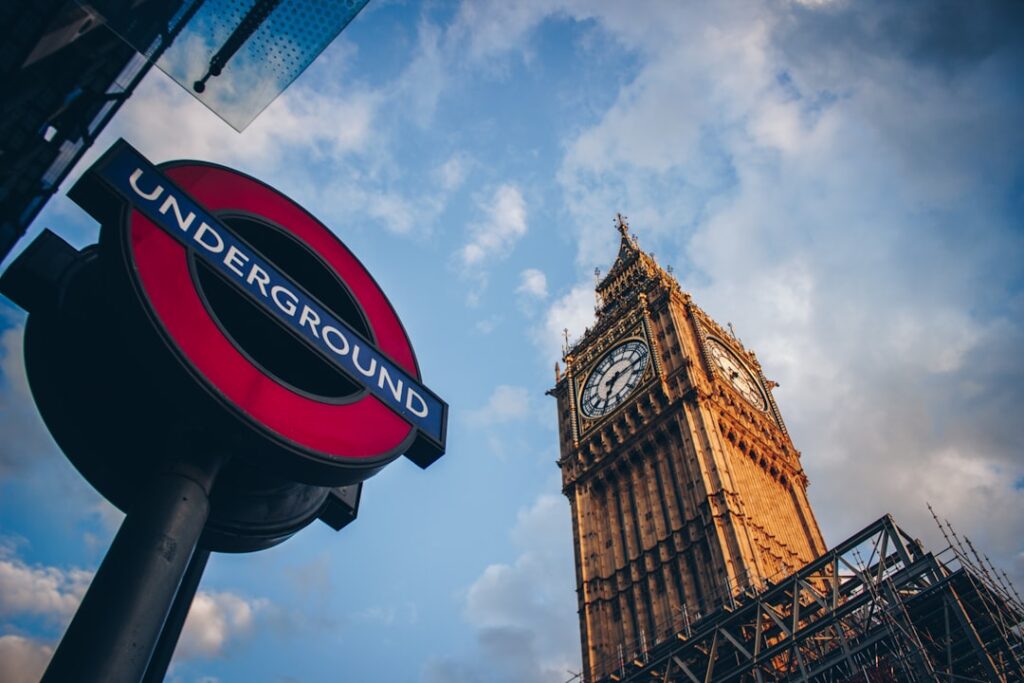






Introduction: Why Knowing the Key Tube Lines Matters for a First Trip to London
Visiting London for the first time is thrilling — and a little daunting. The British capital is vast, vibrant, and famous for its dense public transport network: the London Underground — aka the Tube — is often the fastest, most convenient way to get around the city. For a first trip, it’s crucial not only to recognize which lines serve the main attractions, but also to understand fares, typical service hours, major stations and a few local tips to save time and avoid common mistakes.
This practical, traveler-focused guide highlights the Tube lines you really should know for a first stay in London. Each section covers a line (or group of lines) especially useful for tourists: key stations with exact addresses, fares converted into euros (a handy estimate for European travelers), typical schedules, immersive descriptions of journeys and neighborhoods, plus tried-and-tested local advice. The goal is to help you plan your transfers confidently — from Paris to Paddington or Heathrow to King’s Cross — and make the most of your time visiting museums, monuments and riverside walks.
Riding the Tube is more than hopping on and off trains: it’s an urban experience. Trains transport you through different neighborhoods within minutes — from the glitz of Piccadilly Circus to the historic quays of Westminster, through Borough Market and the mix of new and old at Canary Wharf. This guide also explains practicalities like using an Oyster card or contactless bank card, when to buy airport tickets, which routes minimize long transfers, and when a taxi or bus might be the smarter choice. You’ll find sample itineraries for a first day, details on the Night Tube and tips for traveling with luggage.
Finally, the guide includes visual cues to help you recognize stations and exits via short descriptions, along with image markers 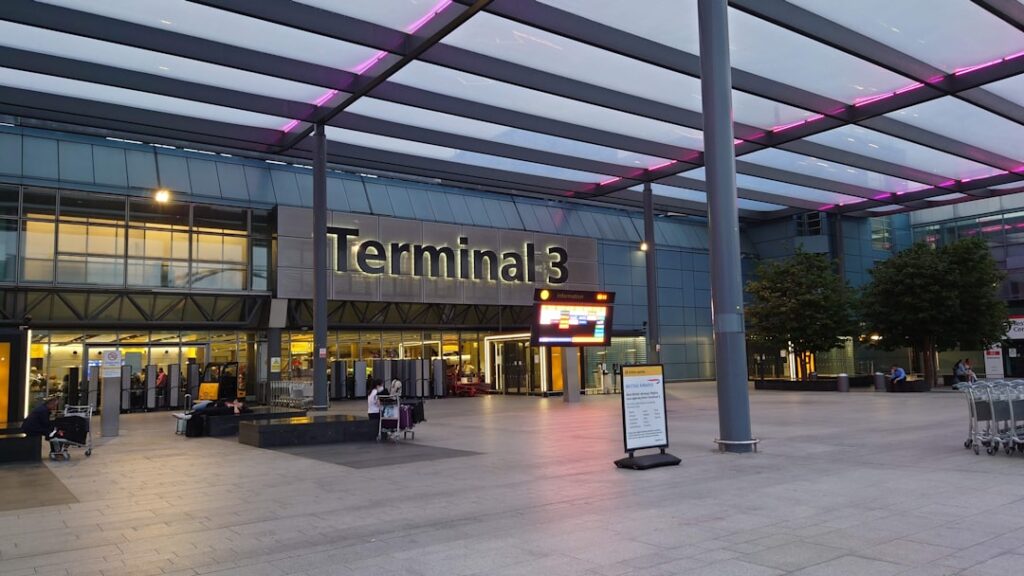 placed at the most visual spots. Whether you’re here for a cultural weekend, business trip or first-time sightseeing, mastering these essential lines will save you time and stress. Read on for recommended routes, practical details and hands-on local tips.
1) The Piccadilly Line: Your Gateway to the Airports and the West End
The Piccadilly Line is essential for any first trip to London — it links Heathrow Airport directly to central London and serves the West End, the city’s theatre and shopping district. It runs roughly west-east and gets you to spots like Piccadilly Circus, Leicester Square, Covent Garden and King’s Cross St Pancras. If you arrive at Heathrow, it’s often the most convenient choice — although the Heathrow Express is faster, the Piccadilly Line is cheaper and stops at more useful locations.
Key stations and addresses:
- Heathrow Terminal 5 Underground Station — Longford TW6 2GA (terminus for Terminal 5, general coordinates), direct access from the Arrivals hall, available 24/7 within the airport complex.
- King’s Cross St Pancras Station — Euston Rd, London N1 9AP, major interchange for Eurostar (St Pancras International) and national train services.
- Leicester Square Station — Coventry St, London WC2H 7NL, exit for West End cinemas and theatres.
- Piccadilly Circus Station — Shaftesbury Ave, London W1D 7ET, the bright heart of entertainment and shopping.
Hours and frequency: The Piccadilly Line generally runs from around 05:00 to midnight, with trains every 2–6 minutes at peak times. Exact times vary by branch and day; frequency drops later at night. There isn’t a full Night Tube service across the entire Piccadilly Line (some sections may have night service on weekends depending on seasonal schedules). Check TfL (Transport for London) for temporary changes.
Fares: Fares depend on zones crossed and payment method. Indicative example: Heathrow Terminal 5 to King’s Cross St Pancras (Zone 6 → Zone 1) using a contactless bank card or Oyster: roughly £6.00–£7.50 (about €7.00–€9.00 depending on exchange rates). If you prefer the Heathrow Express (24 minutes), expect to pay around €22–€27 one-way. For central journeys (e.g. Leicester Square → Piccadilly Circus), expect about £2.60 (≈ €3.00) off-peak and £3.20 (≈ €3.70) peak with Oyster/contactless.
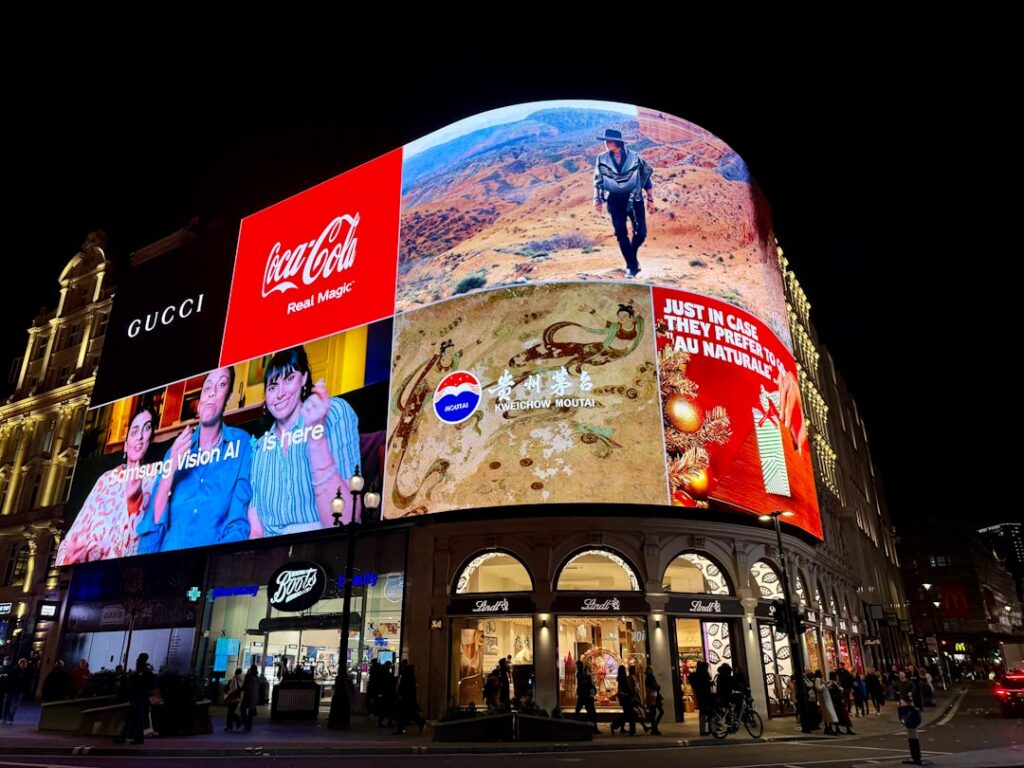
Immersive description: Stepping out at Piccadilly Circus, you’ll be greeted by a riot of neon and giant screens, red double-decker buses and rushing crowds. Piccadilly Line trains can be packed at peak times, so keep your belongings close and scan window signage for exits to Shaftesbury Avenue or Regent Street. The trip from Heathrow passes through west London suburbs, giving you a glimpse of residential neighborhoods before the rush of central London.
Local tip: If your flight lands late and you have a lot of luggage, weigh cost versus comfort between the Piccadilly Line (cheaper) and express services or a taxi. On arrival, follow the signs for the exact terminal exit (T2/T3, T4, T5) to avoid walking through secure zones. For West End theatres, get off at Leicester Square to be steps away from the major venues.
2) The Central Line and the Northern Line: Fast Routes to Historic Sights and Shopping
The Central Line (red) and the Northern Line (black) are two major arteries serving key tourist and shopping areas. The Central Line runs east-west and will take you to Oxford Street, the City (Bank) and Notting Hill. The Northern Line, which has two northern branches (via Bank and via Charing Cross), is handy for Leicester Square, Covent Garden (a short walk), Camden Market and The Shard via London Bridge.
Key stations and addresses:
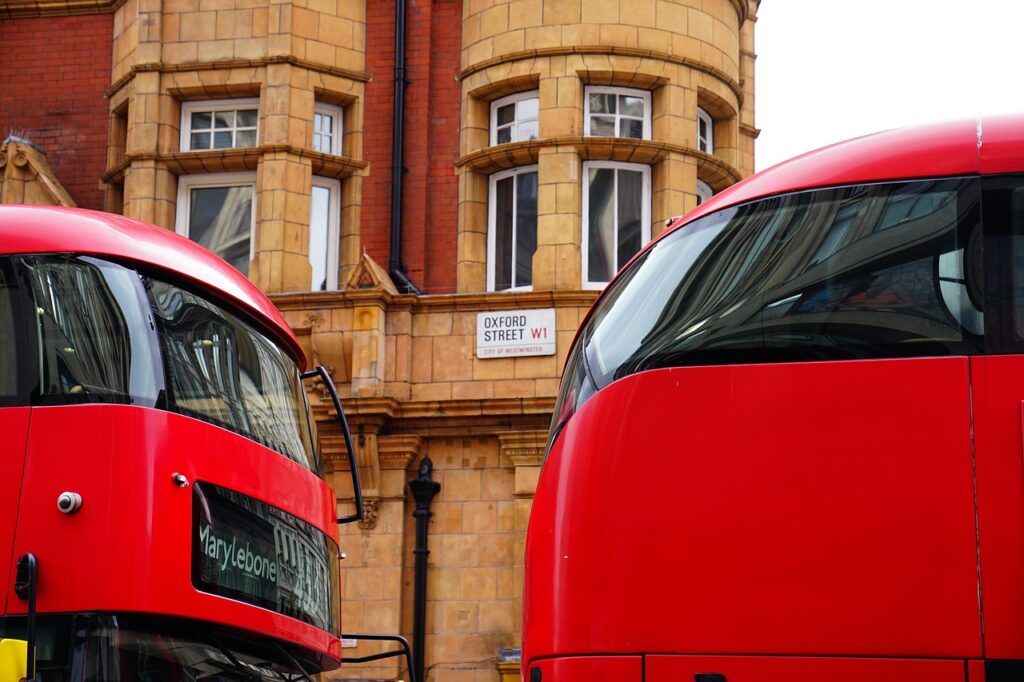
- Oxford Circus Station — Oxford St, London W1D 1BS, the main intersection for Oxford Street and Regent Street shopping.
- Tottenham Court Road Station — New Oxford St, London W1T 4BE, access to the British Museum (Great Russell St about a 6-minute walk).
- Bank Station — Walbrook, London EC4N 8BA, heart of the City, close to St Paul’s Cathedral (a few minutes’ walk via Millennium Bridge).
- London Bridge Station — King William St, London SE1 9SP, exit for Borough Market and The Shard.
- Camden Town Station — Camden High St, London NW1 8NY, entrance to Camden Market and the alternative music scene.
Hours and frequency: These lines typically run from about 05:00 to 00:30. Peak frequencies are around 2–4 minutes on the Central Line and 2–5 minutes on the Northern Line. The Northern Line offers a Night Tube service on several sections on Friday and Saturday nights (check TfL for exact dates).
Fares: Estimated fares in euros (Oyster/contactless): Oxford Circus → Tottenham Court Road: around £2.40 (≈ €2.80) off-peak; Tottenham Court Road → Bank: £2.60–£2.80 (≈ €3.00–€3.20). Camden Town → London Bridge (with a change): about £2.80–£3.40 (≈ €3.20–€3.90) depending on time of day.
Immersive description: Take the Central Line and in just a few stops you’ll be on Oxford Street, where shop windows and department stores like Selfridges (400 Oxford St, London W1A 1AB) define London’s retail scene. The Northern Line, changing at Leicester Square, drops you into a cinema-and-theatre vibe; get off at Camden Town for narrow streets of vintage shops, food stalls and canal-side scenes. Alighting at London Bridge, you can climb up to the bridge itself for river views of the Thames, Tower Bridge and the sleek silhouette of The Shard.
Local tip: Avoid the Central Line during peak hours if you’re carrying heavy luggage—trains can be extremely packed. For exploring the City, get off at Bank but follow exit signs carefully: the station is a maze. In Camden, follow signs for the “Camden Markets” exit to skip heavily touristy side streets. To get a great riverside view, walk from London Bridge toward Borough Market (8 Southwark St, London SE1 1TL) — perfect for a local lunch stop between sightseeing.
3) The Circle Line and the District Line: Circular Links and Access to Royal Landmarks
The Circle Line (yellow) and the District Line (green) often work in tandem and are excellent for reaching royal landmarks and museums. These lines serve major tourist stops like Westminster, South Kensington (for museums) and Tower Hill (for the Tower of London). They’re a convenient, picturesque way to hop between multiple attractions along the Thames and around Buckingham Palace.
Key stations and addresses:
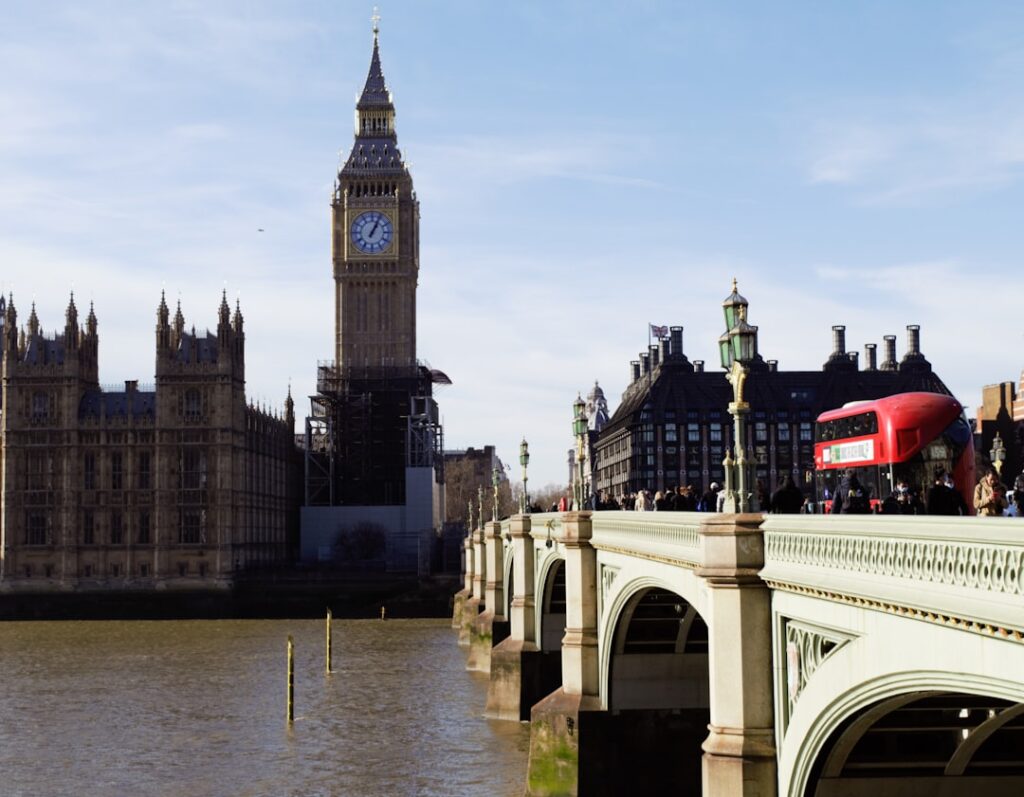
- Westminster Station — Bridge St, London SW1A 2JR, exit for the Houses of Parliament, Big Ben (Elizabeth Tower) and Westminster Abbey (Broad Sanctuary, London SW1P 3PA).
- South Kensington Station — Old Brompton Rd, London SW7 2RP, exit for the Victoria and Albert Museum (Cromwell Rd, London SW7 2RL), Natural History Museum (Cromwell Rd, SW7 5BD) and Science Museum (Exhibition Rd, SW7 2DD).
- Tower Hill Station — Trinity Square, London EC3N 4DJ, direct access to the Tower of London (Tower of London, Tower Hill, London EC3N 4AB).
- Monument Station — King William St, London EC3R 7NA, close to Tower Bridge (Tower Bridge Rd, London SE1 2UP).
Hours and frequency: Both lines generally run from about 05:00 to midnight, with trains every 3–7 minutes depending on section and time. The Circle Line has been restructured to include stretches of the Hammersmith & City Line; watch station displays for whether a continuous service is running or if there are disruptions.
Fares: Example fares (Oyster/contactless): Westminster → South Kensington: about £2.60 (≈ €3.00); Tower Hill → South Kensington (a longer journey): around £2.80–£3.20 (≈ €3.20–€3.70). Some museums have free admission (Victoria and Albert Museum, Natural History Museum, Science Museum); the Tower of London charges admission from around £29.90 (≈ €35–€40 depending on exchange rates) for adults, and booking ahead is recommended.
Immersive description: Exit at Westminster and stroll along Bridge Street to see the imposing Parliament buildings and the familiar profile of Big Ben. A District Line ride to South Kensington drops you in an elegant neighborhood of Victorian facades and chic cafés. At Tower Hill you’ll feel the weight of history: ramparts, guards and medieval towers overlooking the Thames create a dramatic atmosphere.
Local tip: For a museum-packed morning, arrive at South Kensington at opening time (usually 10:00) to beat crowds: start at the Natural History Museum, then walk to the Victoria and Albert. If you plan a royal monuments walking route, combine a Westminster exit with a stroll through St James’s Park to Buckingham Palace (Buckingham Palace, London SW1A 1AA — interiors open seasonally). To save money, keep journeys within Zones 1–2 when possible: Oyster/contactless daily caps make short central trips cheap.
4) The Jubilee Line: Modern London, Riverside Walks and Canary Wharf
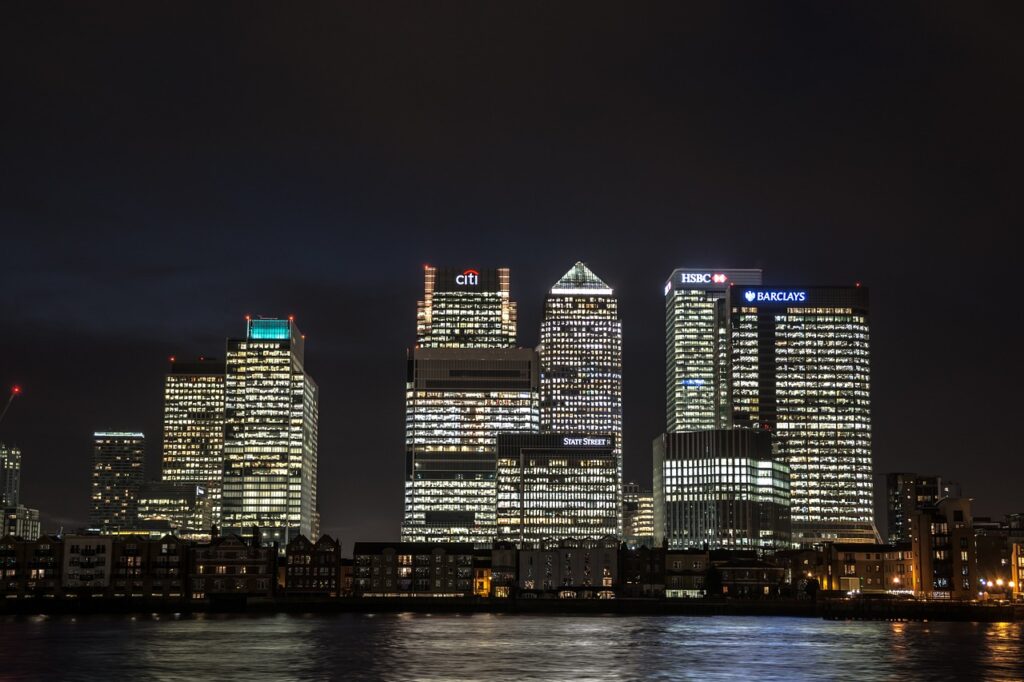
The Jubilee Line (silver-grey) is the modern line linking west to southeast London via contemporary districts. It’s especially useful for reaching Canary Wharf — the financial district with its skyscrapers — and the south bank near London Bridge and Westminster. The Jubilee is known for frequent service and comfort, making it ideal for business travelers and visitors wanting to explore London’s newer urban quarters.
Key stations and addresses:
- Westminster Station — Bridge St, London SW1A 2JR, the same station as the Circle and District Lines, useful for combined visits.
- London Bridge Station — King William St, London SE1 9SP, close to Borough Market (8 Southwark St, London SE1 1TL) and The Shard (32 London Bridge St, SE1 9SG).
- Waterloo Station — Waterloo Rd, London SE1 8SW, a major rail hub and gateway to the South Bank (Southbank Centre, Belvedere Rd, SE1 8XX).
- Canary Wharf Station — Canada Square, Canary Wharf, London E14 5AB, the heart of the modern financial district, with shops and restaurants.
Hours and frequency: The Jubilee Line typically runs from around 05:00 to 00:30 with trains every 2–5 minutes at busy times. It’s very reliable for trips to Canary Wharf and office areas. The Night Tube covers parts of the Jubilee Line on some weekend nights — check TfL for exact dates.
Fares: Indicative fares: Westminster → Canary Wharf: about £2.80–£3.20 (≈ €3.20–€3.70); London Bridge → Canary Wharf: around £2.60–£3.10 (≈ €3.00–€3.60). Fares vary with time of day and whether you pay by cash at a machine (rare) or by contactless/Oyster.
Immersive description: Riding the Jubilee Line takes you through contrasting cityscapes: grand Victorian buildings near Westminster to glass-and-steel towers at Canary Wharf. At Canary Wharf you can stroll along canal-side promenades, browse modern shopping malls around One Canada Square (Canary Wharf, London E14 5AB) and enjoy a range of international dining options. London Bridge is perfect for a food break at Borough Market, where stalls overflow with local produce, artisan cheeses and inventive street food.
Local tip: If you’ve got tight timing for a meeting at Canary Wharf, choose the Jubilee Line for its speed and frequency. At London Bridge, avoid peak hours to fully enjoy Borough Market without heavy crowds: go early in the morning or late afternoon on weekdays. For photo ops, head up to the Shard’s viewing platforms (The View from The Shard, 32 London Bridge St, SE1 9SG — paid tickets around £32–£40, roughly €37–€47 depending on season).
5) The Overground and DLR: Handy Surface Links and Routes East
While the traditional Tube covers most of central London, two complementary networks deserve attention: the London Overground (orange on maps) and the Docklands Light Railway — DLR (turquoise). They’re particularly useful for areas the Tube doesn’t directly serve: Shoreditch, Hackney, Stratford, Greenwich and the eastern docklands. These services nicely round out your sightseeing options, often offering interesting views and modern stations.
Key stations and addresses:
- Shoreditch High Street Overground Station — Holywell Row, London EC2A 4JA, access to Shoreditch’s creative quarter and Brick Lane Market.
- Stratford Station — Station Approach, Stratford, London E15 1AZ, a major hub for Westfield Stratford City (Montfichet Rd, E20 1EL) and the Olympic Park.
- Greenwich DLR Station — Greenwich High Rd, London SE10 9JH (DLR gateways via the Cutty Sark area), close to the Cutty Sark (King William Walk, Greenwich, SE10 9HT) and the National Maritime Museum.
- Canary Wharf DLR/Overground — Canary Wharf, E14 5AB, easy interchange between DLR, Jubilee Line and Overground depending on your destination.
Hours and frequency: Overground and DLR generally run from about 05:00 to midnight with frequent trains (every 6–15 minutes depending on the route). The DLR is driverless and automated and can run 24/7 on some sections during special events; check schedules before you travel.
Fares: Fares are similar to the Tube within Zones 1–3. Example: Shoreditch High Street → Stratford Overground: around £2.40–£2.80 (≈ €2.80–€3.20); Canary Wharf DLR → Greenwich: about £2.80 (≈ €3.20).
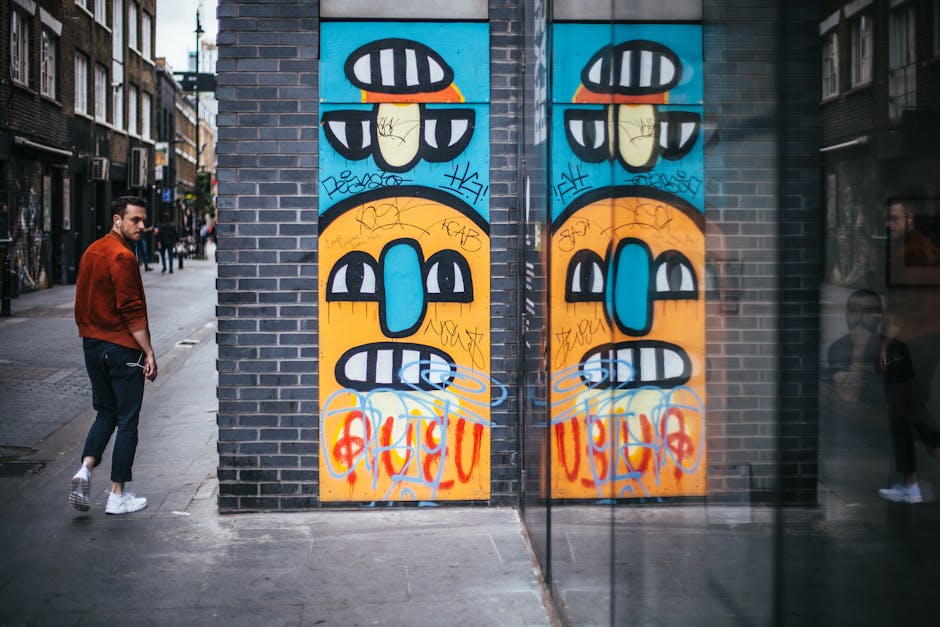
Immersive description: On the Overground, many trains run above ground and offer views over revamped residential and industrial neighborhoods. Shoreditch is a creative playground: street art, galleries, cool cafés and the Sunday markets on Brick Lane. The DLR, with elevated stretches, reveals unique perspectives on the docks and towers of the Docklands. In Greenwich, riverside walks lead you to the Cutty Sark and Greenwich Park — a great spot to relax and enjoy city views from the hill.
Local tip: The DLR is very convenient to avoid stairs and heavy changes — ideal when you’re traveling with luggage. Use the Overground to bypass the crowded central core: it’s often less packed and quicker for east-west trips. For shopping at Westfield Stratford, combine Overground with Jubilee/DLR depending on where you’re starting from.
6) Practical Tips, Fares, Oyster vs Contactless and Safety
Beyond choosing lines, mastering practicalities around payment, schedules and safety will help you travel London with confidence. The network is efficient but a bit of preparation pays off: know peak hours, how to buy or top up an Oyster card and where to get attraction tickets. Here’s a compact set of practical info and local tips.
Oyster Card vs contactless vs Travelcard:
- Oyster Card: a rechargeable pay-as-you-go card, great for multi-day stays. Initial purchase cost: about £7 (partially refundable), roughly €8; top-ups available at stations. Daily caps apply: for Zones 1–2 the daily cap is around £7.70 (≈ €8.90), which prevents overspending if you make multiple trips.
- Contactless (bank card or smartphone): very convenient — you tap to pay and the system automatically applies the daily cap. Check with your bank for foreign transaction or conversion fees. Fare rates match Oyster.
- Travelcard: valid for one day (1 Day Travelcard) or multiple days, useful if you plan heavy travel in a short period. For example, a Day Travelcard Zones 1–2 costs about £14.50 (≈ €16.80) for an adult in paper form — often less cost-effective than Oyster/contactless for typical tourist use.
Hours & Night Tube: Most lines run roughly from 05:00 to 00:30. The Night Tube offers 24/7 service on certain lines on Friday and Saturday nights (Northern, Jubilee, Central, Victoria and Piccadilly on specific sections/times). Check TfL for public holiday timetables and planned engineering works — partial closures or night/weekend suspensions can occur.
Safety and etiquette:
- Keep your belongings close and avoid leaving bags open: London is safe overall, but pickpockets do operate in tourist areas.
- Let people exit the train before you board; respect priority seating areas for those with reduced mobility and prams.
- During peak hours (roughly 07:30–09:30 and 17:00–19:00), skip the first train if it’s packed — wait for the second or third service.
Luggage and accessibility: Major stations (King’s Cross, Waterloo, Paddington) have lifts or accessible options, but many older stations have long staircases and limited access. If you have large luggage, favor stations with lifts or consider airport transfer services (Heathrow Express, Gatwick Express) or taxis.
Practical local advice: Buy and activate your Oyster as soon as you arrive to avoid queues; set up contactless payment on your phone if you can. Download the TfL or Citymapper app for real-time routes, closure alerts and journey time estimates. To save money, plan themed days (museum day in South Kensington, West End at night) to limit zone-hopping.

Conclusion: Mastering the Tube to Make the Most of London
Getting familiar with the key Tube lines — Piccadilly, Central, Northern, Circle, District, Jubilee, plus the Overground and DLR — turns a London trip into a smoother, more enjoyable experience. This guide has given you practical information: exact station addresses, fare estimates in euros to help budget, general schedules and immersive route descriptions. By knowing which lines to favor based on your priorities (airport arrival, Oxford Street shopping, South Kensington museums, Thames views from London Bridge, business at Canary Wharf or creative exploration in Shoreditch), you’ll streamline your days and avoid wasted time.
The practical tips on Oyster vs contactless, peak hours, the Night Tube and safety provide concrete points to plan around. Remember London is a walking city: pair Tube journeys with strolls to discover alleyways, parks and markets that you won’t spot from a train. For example, start a historical morning at Westminster, wander through St James’s Park and head to Covent Garden for lunch — tactile itineraries like this are a big part of London’s charm.
Finally, tailor choices to your travel style. If you travel light, the Piccadilly Line from Heathrow is a great budget-friendly compromise; if you prioritize speed and comfort, invest in the Heathrow Express. For heavy travel, an Oyster card or contactless payments with daily caps will offer the best value. Download a transport app (TfL or Citymapper), listen to announcements and time your journeys for quieter periods when you can.
With these reference points, you’re set to explore London with confidence: plan your routes, note useful stations and exits, and jump on the Tube to discover the city’s many faces. Safe travels — and enjoy every stop, because the Tube is not just transport, it’s a gateway to London’s thousand personalities.