





Introduction — Getting Around London at Night: Local Tips to Stay Calm
London at night charms with its mix of history, lights and activities that stretch well beyond sunset. For visitors, the British capital can feel vast, complex and occasionally intimidating when the streets thin out and the tempo changes. But with a few local landmarks in mind, an understanding of nighttime transport options, and some straightforward precautions, you can enjoy the city with confidence. This guide, written by an experienced travel writer and enriched with local tips, explains how to get around London at night — from the Night Tube to night buses, from classic black cabs to reliable apps, plus safe walking routes and handy places to stop.
We’ll cover practical matters (schedules, prices in euros, exact addresses), visual tips to pick your routes, and tricks to reduce stress: how to avoid poorly lit areas, where to find 24/7 information points, and which apps to install before you arrive. The goal is for you to get back to your hotel or accommodation at night feeling secure, with alternatives ready if a connection is missed, knowing where to grab a taxi or a bus, and having safe spots for a late coffee, a quick snack or basic needs.
The advice is built on simple but effective rules: plan (at least your main route), recognise landmarks (stations, bridges, squares), manage your budget (prices in euros), and stay visible and connected. Whether it’s your first time in London or you’re a frequent returner, this guide will help turn London after dark from a source of unease into an opportunity. Each section includes practical info and locally tested recommendations — for example, why Waterloo Bridge is a good choice to cross the Thames at night, how to spot night bus stops marked with an « N » (like N15, N38), and when to hail or call a black cab.
Finally, we add sensory and visual cues to make orientation easier: illuminated riverbanks, iconic facades, late-night food spots, and places where extra vigilance is recommended. You’ll also find suggestions on what gear to carry (power bank, Oyster card or contactless bank card, flashlight on your phone) and useful contacts in case of emergency or assistance. Use these pages as a pocket companion for your London evenings: the format includes exact addresses, typical opening times and prices in euros so you can plan right away.
1. Night transport: Night Tube, night buses, trains and taxis
London’s network offers several ways to get around at night: the Night Tube (overnight subway service on weekends), an extensive night bus system, limited but useful late trains, and the famous black cabs. Knowing how each option works will stop you getting stranded and help you budget your trips.
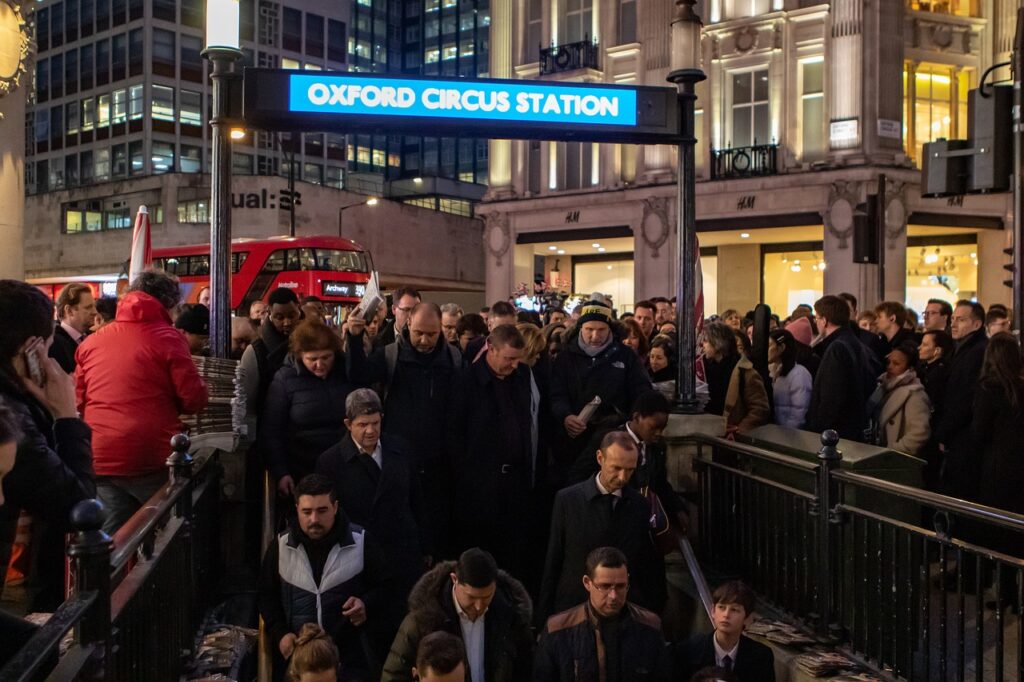
Night Tube — The Night Tube runs mainly on Friday and Saturday nights on selected Underground lines. In 2024, lines offering night services include the Victoria Line (e.g. Victoria Station), Central Line (e.g. Oxford Circus), Jubilee Line (e.g. London Bridge), Northern Line (e.g. Camden Town) and Piccadilly Line (e.g. Piccadilly Circus). Trains generally run from around 00:30 until about 05:30, with frequencies varying by line (every 10–20 minutes depending on the route). Fare: night Tube fares are the same as a regular Tube trip across central zones — roughly €3.30 (approximately £2.80 for an off-peak Zone 1-2 fare).
Night buses — The night bus network, easy to spot because route numbers start with an N (for example N15, N38, N550), covers areas the Night Tube doesn’t and runs every night. Practical examples: the N8 links Tottenham Court Road (Tottenham Court Road Station, Tottenham Court Rd, London W1T 4TP) to Stratford; the N155 runs between Tottenham Hale and Romford. A standard night bus fare is fixed and equals about €2.05 (around £1.75). Buses accept Oyster cards and contactless payments. Stops are usually clearly marked and lit; aim for official stops with signs and lighting when boarding.
Limited late trains — Some stations have late running services, notably Overground routes or special Night Overground services during some events. For intercity overnight connections, operators like LNER or Greater Anglia tend to run very early morning services rather than all-night trains. Examples of stations with late opening hours: King’s Cross St Pancras Station, Euston Road, London N1C 4QP (international and national services; ticket office opening times vary), Liverpool Street Station, Liverpool Street, London EC2M 7QH.
Black cabs and ride-hailing apps — Black cabs (licensed taxis) can be hailed on the street when their « TAXI » light is on. They usually accept card and cash; minimum fares vary, but expect a short pickup fare of roughly €8–12 and a 5–10 km trip to cost around €20–35 depending on time and distance. Example taxi rank: William IV Street Taxi Rank outside Covent Garden Piazza, Covent Garden, London WC2N 4AE. Ride-hailing apps like Uber, Bolt and Free Now also operate: a typical city-centre night ride averages €10–25 depending on demand and time.
2. Walking at night: routes, lit areas and places to avoid
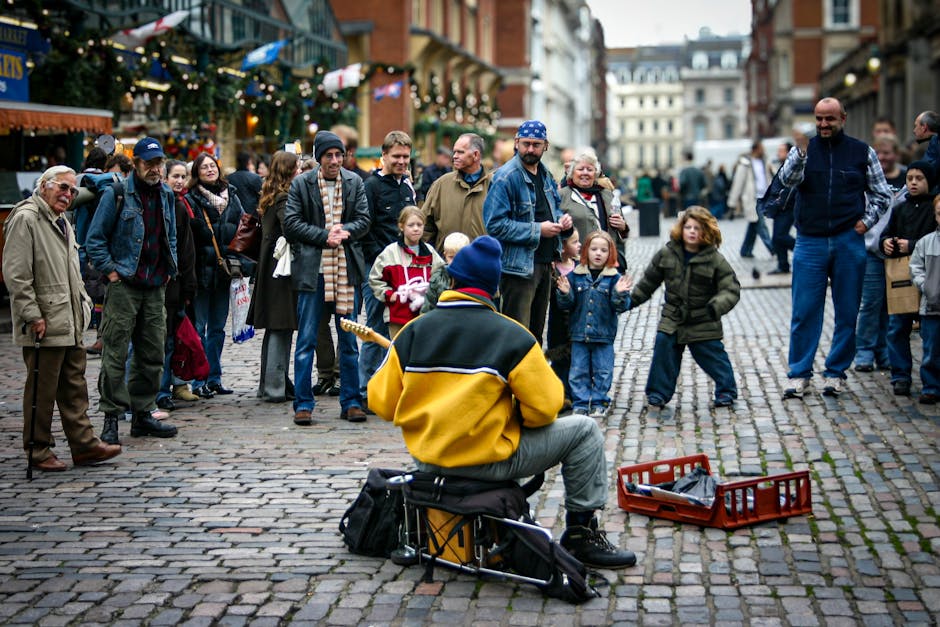
Walking London at night is pleasant and often the best way to soak up illuminated architecture, Thames bridges and lively districts like the South Bank or Covent Garden. Still, a few local rules will reduce risk and help you stay calm: stick to main streets, well-lit riverfronts and areas with some foot traffic. Below are recommended routes, safety markers and areas to be cautious about late at night.
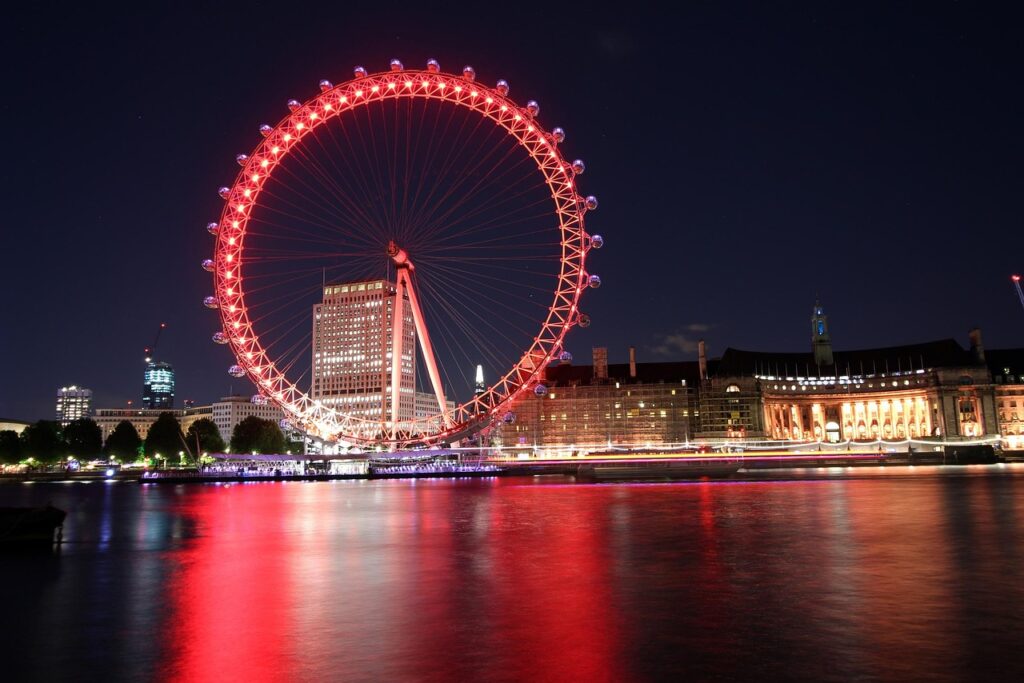
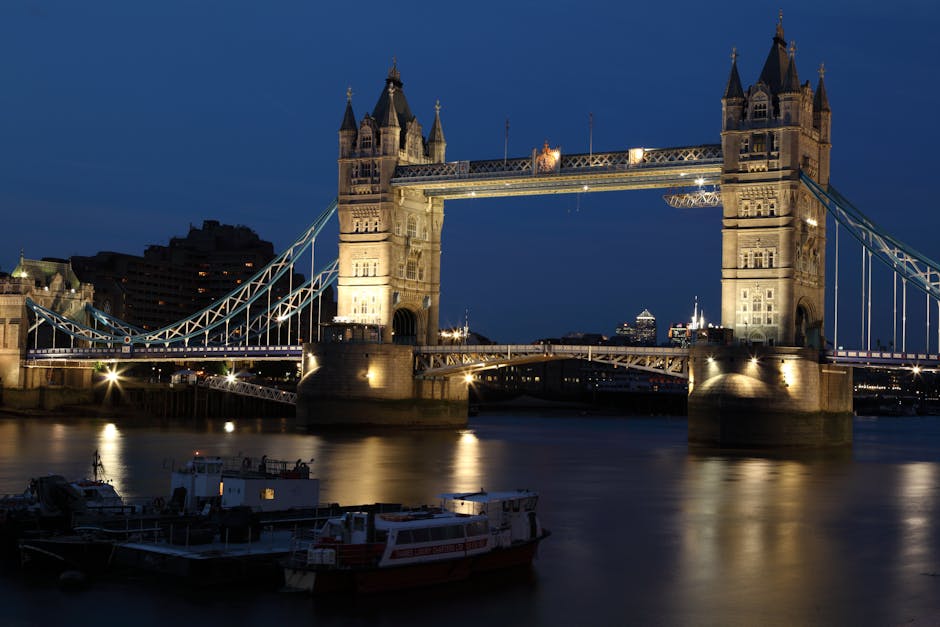
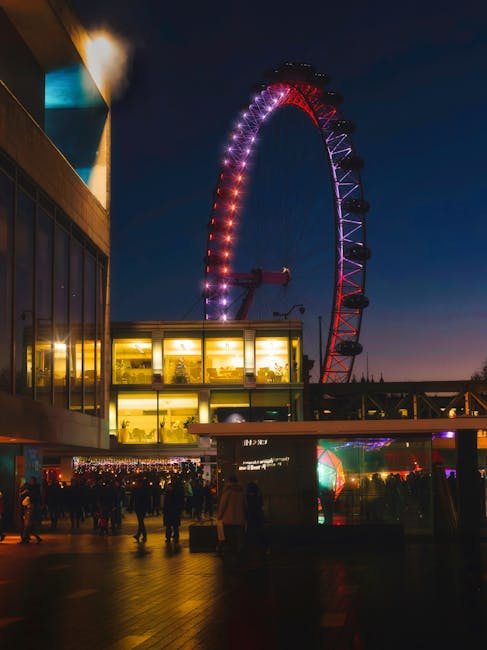
Recommended routes — South Bank (Bankside, around the London Eye) is a popular, well-lit route with plenty of pedestrians until late: start at Waterloo Bridge, cross to the south bank and follow the South Bank promenade to Tower Bridge. Landmark address: London Eye, Riverside Building, County Hall, Westminster Bridge Rd, London SE1 7PB. Another safe route: Covent Garden (The Piazza, Covent Garden, London WC2E 8RF) to Leicester Square (Leicester Square, London WC2H 7DE), then on to Piccadilly Circus (Piccadilly Circus, London W1J 9HS). These areas stay busy, have consistent street lighting and are patrolled by police.
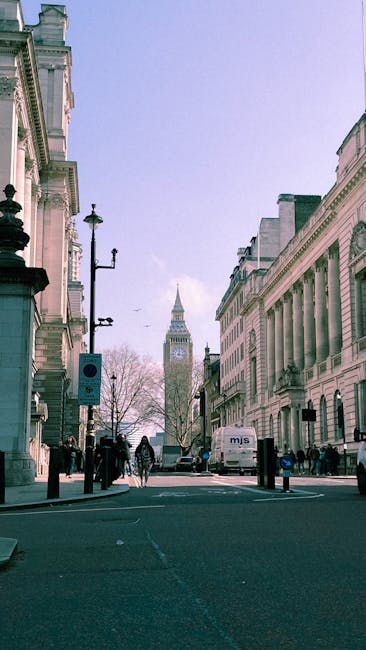
Key lit areas and infrastructure — Major bridges (Waterloo Bridge, Westminster Bridge, Tower Bridge) are all well lit and maintain pedestrian traffic at night. Waterloo Station, on Waterloo Road, London SE1 8SW, is a major hub for getting back into central areas. The riverside walkways also host cafés and bars that stay open late (opening hours vary). For a reliable late-night coffee, try « Barista & Co » (e.g. 19 Villiers St, Charing Cross, London WC2N 6ND; opening times vary, often open until 22:00–23:00).
Areas to be cautious around — Some industrial or less populated spots near major stations or in parts of the east can be less safe late at night. Shoreditch (e.g. Shoreditch High St, London E1 6JN) is generally lively, but it’s sensible to avoid isolated backstreets after 00:30. Likewise, while stations like Elephant & Castle (Elephant & Castle, London SE1 6SB) are operational, some surrounding streets are poorly lit at night: stick to main roads instead of shortcuts.
Local practical tips — Keep your phone charged (carry a power bank), share your location with a trusted contact, walk on the pavement facing traffic where possible and steer clear of showing off valuables. If you’re lost, look for an open pub (pubs often remain busy late and are usually happy to help), a large station or a hotel such as Premier Inn London City (Aldgate), 66 Alie Street, London E1 8PX, which has bright lobbies and staff who can assist.
3. Apps, maps, payments and local alternatives to keep you calm
Digital preparation is key for getting around at night. Install and set up essential apps before you arrive in London so you have backups ready. You’ll also need suitable payment methods and to know a few local alternatives in case services are disrupted.
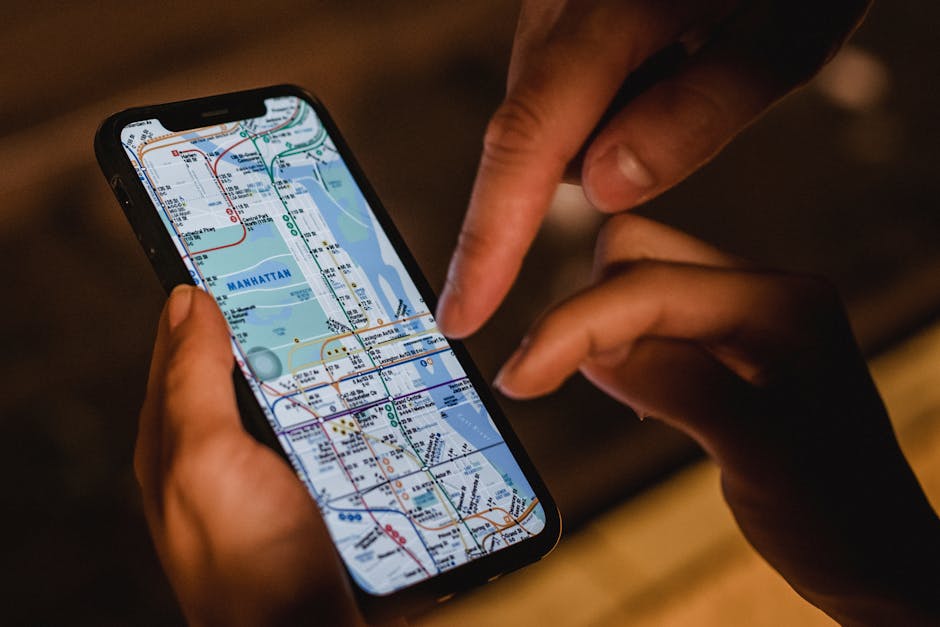
Must-have apps — TfL Go (Transport for London app): interactive map, live times, and rerouting advice. More info at: https://tfl.gov.uk. Google Maps and Citymapper are indispensable: Citymapper (Citymapper Ltd) shows alerts specific to the night network. Uber, Bolt and Free Now for ride-hailing — enable trip sharing. For black cabs, use the MyTaxi/Free Now app to find licensed taxis or head to an official taxi rank (e.g. Taxi Rank outside King’s Cross St Pancras Station, Euston Rd, London N1C 4QP).
Cards and payment — An Oyster Card (rechargeable card) is handy and sold at stations and some shops. Approximate fares: Zone 1-2 Tube trip €3.30 (about £2.80); bus €2.05 (about £1.75) pay-as-you-go. Contactless bank cards or mobile payments are accepted everywhere and charge the same fares. Daily capping helps control costs: expect a daily cap of around €8.30 (approx. £6.60) for Zone 1-2 — useful if you make multiple night trips.
Local alternatives — If the Night Tube is suspended for maintenance, night buses and taxis are your main backups. Stations such as Liverpool Street (Liverpool St, London EC2M 7QH) and London Bridge (Tooley St, London SE1 2SX) often have open concourses and staff who can advise on the latest services. For an economical riverside option, look at Night Bus N551 which runs along parts of the Thames. If you prefer booking ahead, call a reputable taxi company: Addison Lee (254-260 Old Street, London EC1V 9DD) has an app and advance reservations; fares vary but are usually higher than a black cab — roughly €15–30 for a central trip.
Digital safety — Turn on location services and sharing (Find My for iPhone, Google location sharing). Save emergency numbers: 999 for police/ambulance/fire, 111 for non-urgent health advice, and your embassy’s assistance number if needed. For tourist help, the London Visitor Centre at 1 Lower Regent St, Westminster, London SW1Y 4XL is a resource; hours vary so check online for current opening times.
4. Safe night spots, useful addresses and late-opening services
Knowing safe places to eat, rest or plug in your phone can turn a routine night out into a relaxed experience. Here are local favourites recommended by Londoners: cafés, pubs, 24-hour stations, hotels and support centres that stay open late, with addresses and typical opening times.
Late-night cafés and food — « The Breakfast Club » (e.g. 12-16 Artillery Ln, Spitalfields, London E1 7LS) often serves until 23:00 or midnight depending on the venue; a late meal typically costs €8–18. For a city-centre coffee later in the evening, try « Monmouth Coffee Company » (27 Monmouth St, Covent Garden, London WC2H 9EU), usually open until 20:30–22:00 depending on the season; drinks are about €3–5. For late snacks near stations, « Gail’s Bakery » near London Bridge (4 Borough High St, London SE1 9QD) opens early and some days stays open until 22:00.
Pubs and safe hangouts — Many central pubs stay open late and offer a reassuring atmosphere. Examples: « The Harp » (47 Chandos Pl, Covent Garden, London WC2N 4HS) often open until midnight or 01:00 on weekends; « The Anchor Bankside » (34 Park St, London SE1 9EF), right on the Thames, is a dependable spot for a late break (hours vary, often until 00:30–01:30).
Stations and hotels to rely on — Hotel lobbies are bright and welcoming. Premier Inn London County Hall (Belvedere Rd, London SE1 7PB) has a 24-hour desk and can point you to transport. For minor medical issues late at night, Urgent Treatment Centres (UTCs) are spread across the city; for example, West London Urgent Treatment Centre (Charing Cross Hospital, Fulham Palace Rd, London W6 8RF) has varying hours — check online to confirm.
Essential services open at night — 24-hour pharmacies: some Boots branches operate round the clock in central areas (check local signage). Petrol stations and convenience stores (e.g. Tesco Express) sometimes stay open 24/7 near main routes (commonly around hubs like Victoria Station, 1-9 Victoria St, London SW1H 0ET). For security help, note local police stations: Soho Police Station (27 Frith St, London W1D 5LF) is close to nightlife areas and can assist if needed.
Local tips for enjoying the night — If you’re on your own, tell a friend your route and keep screenshots of addresses and maps in case you lose signal. Get a black cab from an official taxi rank rather than flagging one down in a side street. And if you think you’ll be out very late with uncertain transport home, consider booking a room for the night — budget rooms in Premier Inn or Travelodge often start around €70–100 depending on the season.
Conclusion — Staying calm in London at night: summary and final checklist
Getting around London at night becomes straightforward with the right preparation. To recap: use the Night Tube on weekends for fast links (budget roughly €3.30 per trip in Zone 1-2), rely on night buses for cheaper alternatives (~€2.05), and keep taxi options (black cabs or ride-hailing) handy for speed and comfort. Walk on well-lit routes like the South Bank, Covent Garden or between the main bridges to avoid isolated spots; always note landmarks like Waterloo Station (Waterloo Rd, London SE1 8SW) or King’s Cross St Pancras (Euston Rd, London N1C 4QP) if you need help.
Final checklist to stay calm:
– Prepare your apps: TfL Go, Citymapper, Uber/Bolt/Free Now.
– Turn on location sharing and share your position with a contact.
– Carry an Oyster card or use contactless payment (watch daily capping).
– Prefer official taxi ranks and ask hotel staff for directions.
– Avoid isolated alleys after 00:30; stick to lit main roads.
– Save emergency numbers: 999 for emergencies, 111 for non-urgent health advice.
With these elements, London at night stops being a hurdle and becomes an opportunity: walks under illuminated bridges, safe returns after a Covent Garden show, or peaceful trips thanks to the Night Tube. London provides options for nearly every late-night situation; the key is to plan, use local and digital resources, and keep a little financial flexibility for the unexpected. You’re now equipped to get around London at night calmly and confidently — go explore, enjoy and return safely.