




Introduction — Why knowing the good and bad neighborhoods in London makes all the difference
London is a city of contrasts: world-famous museums, huge parks, historic districts, but also quiet residential areas, buzzing nightlife streets and spots you might want to avoid if you’re in a rush, carrying luggage or traveling with family. Knowing which neighborhoods are worth visiting, where to stay to get the most out of your trip and where to be cautious will save you time, money and stress. This guide mixes practical tips, exact addresses, price estimates in euros, typical opening hours and local advice so you can navigate the city with confidence.
We cover five main angles: ideal areas to stay (access, vibe, safety), must-see neighborhoods for culture and food, areas to favor or avoid at night, markets and shopping streets to know, and finally neighborhoods locals say to approach carefully. Each section lists precise places with exact addresses, approximate prices in euros (or ranges), usual hours and practical tips (quiet times, subway/overground lines to favor, transport alternatives). Prices are estimates in euros to help with budgeting; remember the UK uses pounds sterling (GBP) — euro conversions are indicative and based on a recent average rate.
London is huge: 32 boroughs, each with its own character. Where you sleep will depend on what matters most — proximity to museums, nightlife, a family-friendly vibe, or a tight budget — and on your daily itineraries. Londoners also have urban « myths »: some places once thought dangerous aren’t anymore, while formerly quiet corners can change fast. Here I give you an up-to-date, practical, immersive summary with local recommendations (cafés, pubs, markets) and warning signs to avoid surprises. You’ll also find timing tips to plan early-morning or late-night visits and useful addresses for lodging or eating without wasting time.
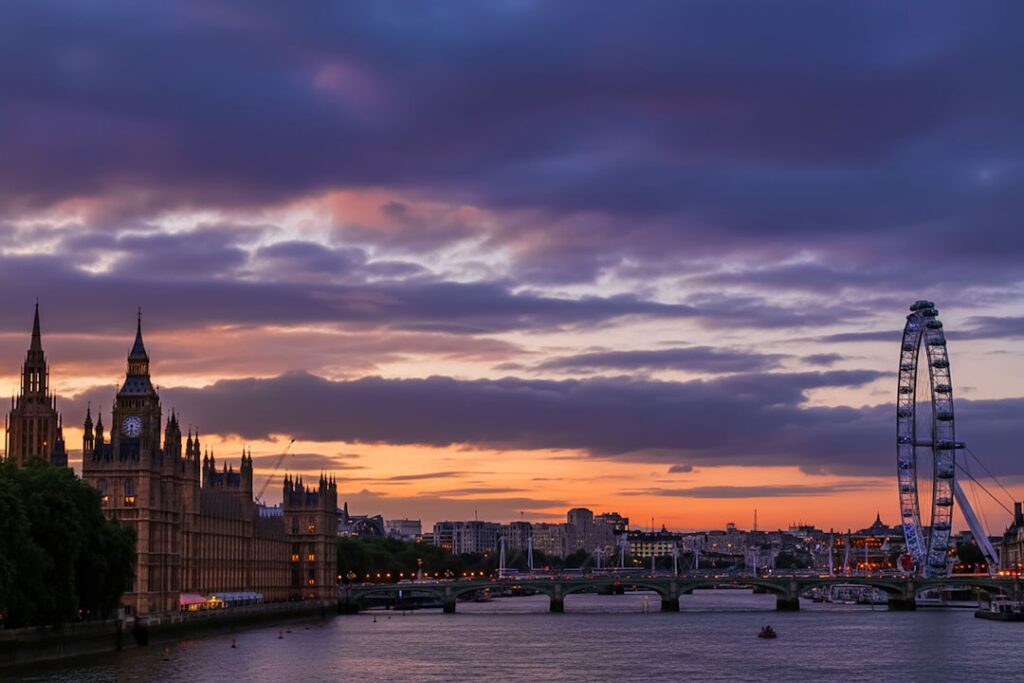
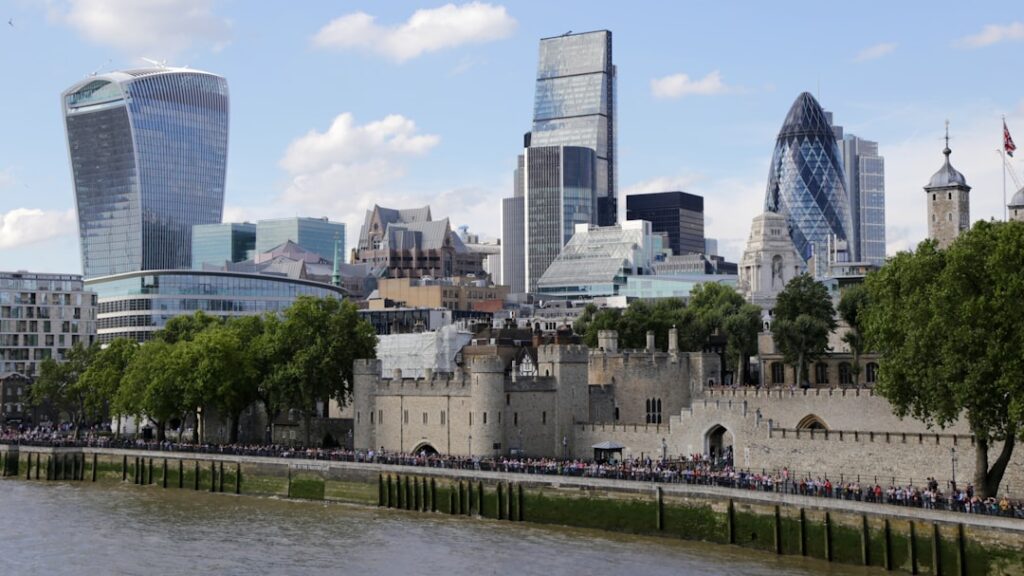
This article contains image markers to visually illustrate the atmospheres mentioned (cityscapes, markets, night streets, Victorian facades). Images are there to inspire and help you picture each place, but always check live sources (weather, seasonal hours, transport updates) before you go. Now, let’s explore the London neighborhoods to know — and to avoid — according to the locals.
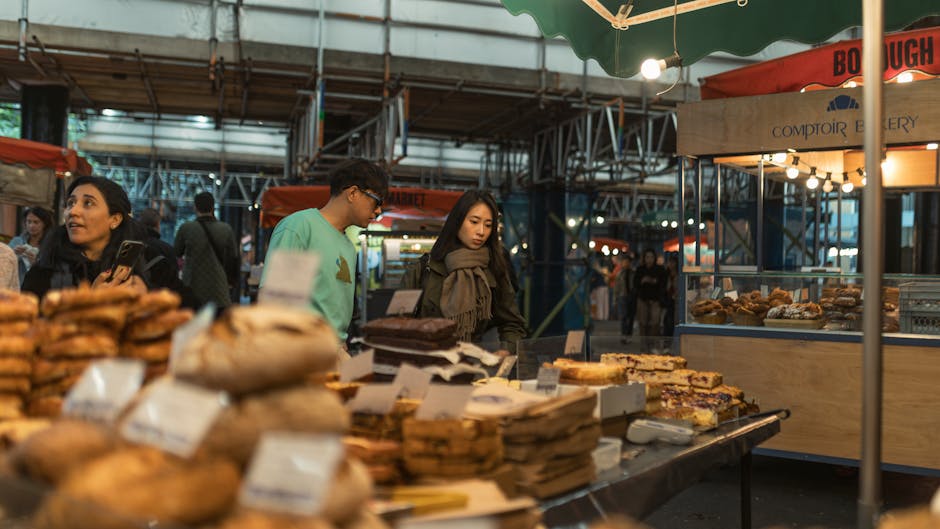
1) Recommended neighborhoods to stay in: comfort, access and vibe
Choosing where to stay in London comes down to transport and the experience you want. The neighborhoods below are popular with locals for their mix of transport links, safety and pleasant atmosphere. Each is presented with a landmark address, an example central spot or accommodation, indicative prices in euros and practical tips.
Kensington and South Kensington — museums and elegance
Reference address: South Kensington, London SW7. Central landmark: Natural History Museum, Cromwell Road, South Kensington, London SW7 5BD. Most galleries are free to enter; some temporary exhibitions are paid (around €10–25).
Why stay here: proximity to major museums (Victoria & Albert Museum, Natural History Museum), quiet streets and many 4-star hotels. Price guide: standard double room in a 3*–4* hotel ≈ €120–220 per night depending on season. Transport: South Kensington station (Circle/District/Piccadilly lines). Hours: museums typically open 10:00–17:30, some stay open until 22:00 for special late events.
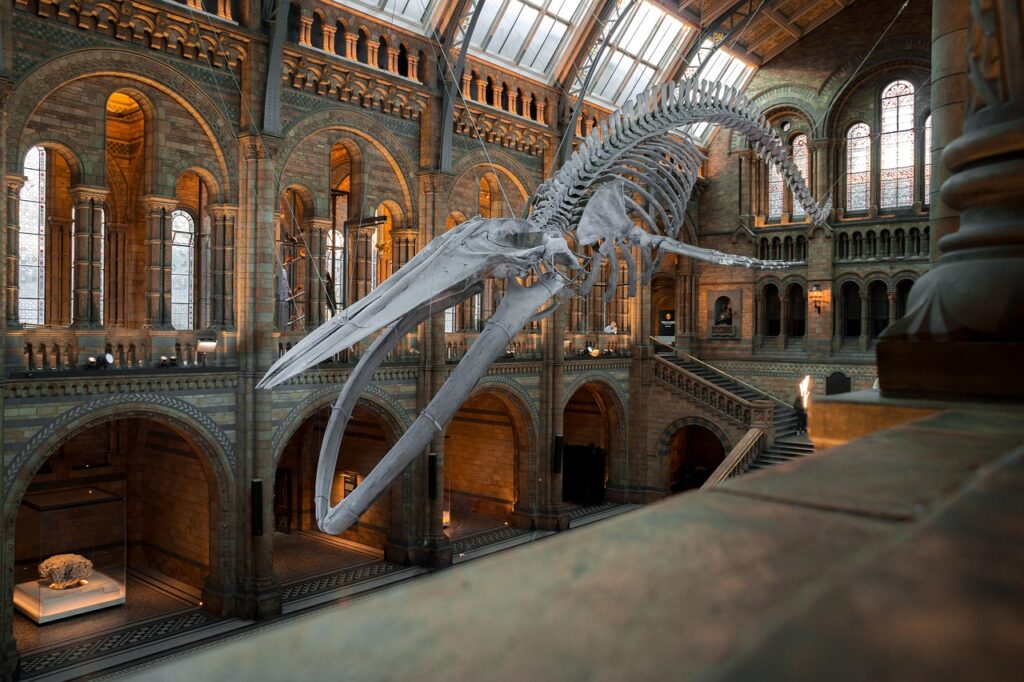
Tip: to hit the museums right at opening, arrive before 10:00 to avoid school groups. If you’re traveling with family, consider rental apartments near Exhibition Road.
Covent Garden — central and lively
Reference address: Covent Garden Piazza, London WC2E 8RF. Highlight: Covent Garden Market, the piazza, artisan shops and street performers. Hours: shops 10:00–19:00, some restaurants open until 23:00–00:00.
Price guide: 3* hotel ≈ €140–200 / night; pub meal ≈ €12–25 per person. Transport: Covent Garden station (Piccadilly line) or Leicester Square (Northern/Piccadilly). The atmosphere is great for West End theatre nights, dining out and moderate nightlife.
Local tip: avoid hotels right above the piazza if you’re a light sleeper — some weekends are lively until midnight.
Shoreditch — creativity, bars and street art
Reference address: Shoreditch High Street, London E1 6JN. Key spot: Brick Lane Market, 91 Brick Lane, London E1 6QL — vintage clothing stalls and street food. Hours: market mainly on Sundays, 09:00–17:00.
Prices: hostels and boutique hotels ≈ €60–160 / night; street food meals €5–10. Transport: Shoreditch High Street (Overground), Liverpool Street (Central/Overground). A young, artsy vibe perfect for travelers seeking bars, gigs and street art.

Tip: Shoreditch can get noisy at night; for more peace, look for accommodation on the Hoxton side near the parks.
2) Cultural and gastronomic neighborhoods not to miss
London offers global cuisine and a thriving cultural scene. Here are neighborhoods you shouldn’t miss for museums, food markets and restaurants, with exact addresses, hours and price ranges.
South Bank — museums, riverside walks and restaurants with a view
Reference address: Southbank Centre, Belvedere Road, London SE1 8XX. Key places: Tate Modern, Bankside, London SE1 9TG (hours: 10:00–18:00, free; temporary exhibitions €12–25). National Theatre, Upper Ground, London SE1 9PX (theatre tickets ≈ €15–80).
Walk the Thames riverside, enjoy food trucks and riverside restaurants. Average lunch in a South Bank café ≈ €12–20. Access: Waterloo station (Bakerloo/Jubilee/Northern/Waterloo & City), walkable from London Bridge.
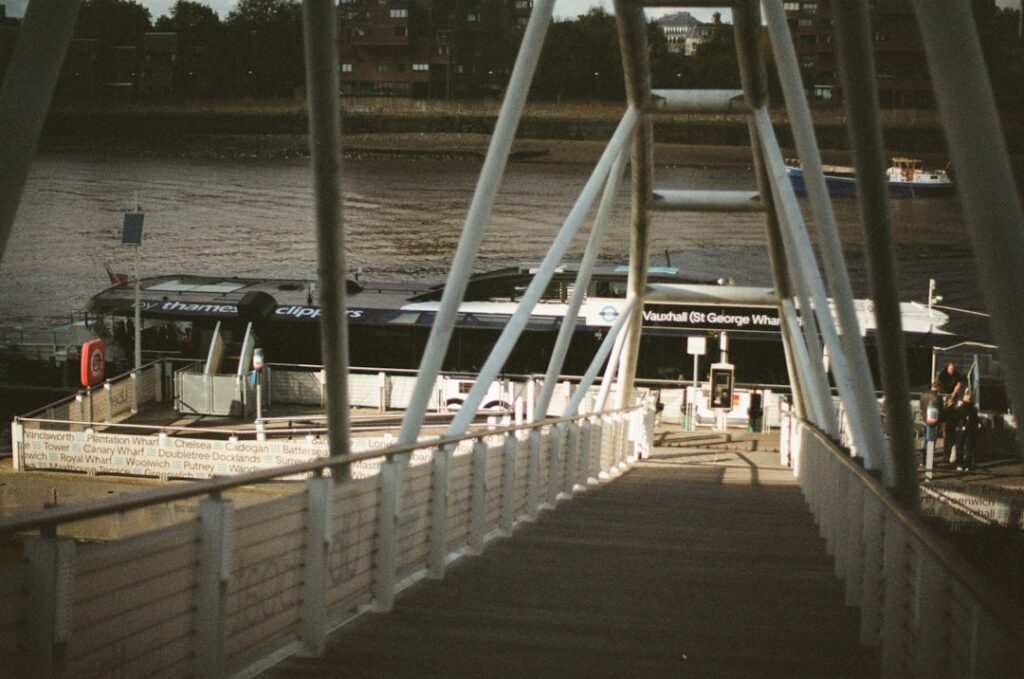
Tip: for a sightseeing cruise on the Thames, prices start around €10–20 for a roughly one-hour tourist trip. Book online to avoid queues in summer.
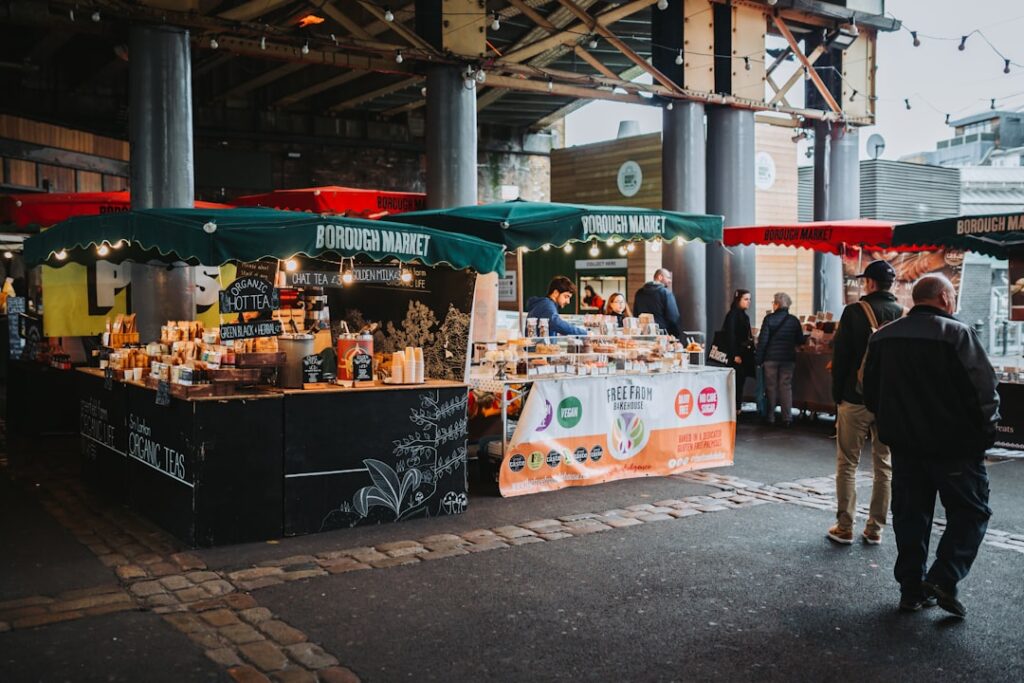
Borough Market — the street food mecca
Address: Borough Market, 8 Southwark Street, London SE1 1TL. Hours: Monday–Friday 10:00–17:00 (varies), Saturday 08:00–17:00, often closed Sunday (special events excepted). Specialties: artisanal produce, cheeses, charcuterie, international dishes. Prices: street food portion ≈ €5–10, full meal ≈ €10–20.
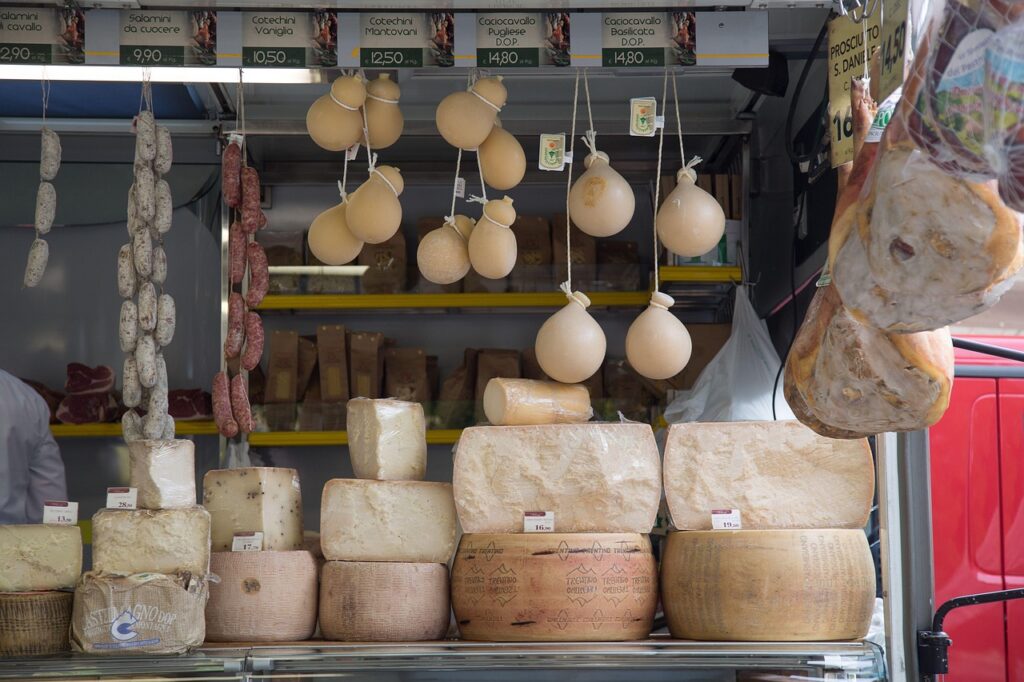
Local tip: arrive early on Saturday morning (08:00–10:00) to avoid the crowds and get the freshest stalls. Borough Market is close to the Shakespeare’s Globe and London Bridge (London Bridge station, Northern/Jubilee lines).
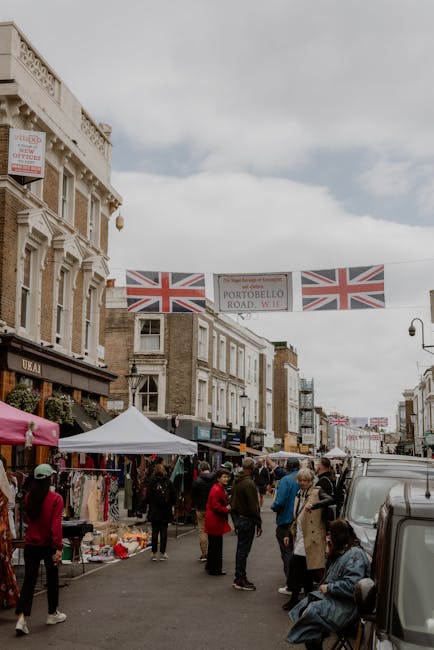
Notting Hill & Portobello Road — markets and colorful facades
Reference address: Portobello Road Market, Portobello Road, London W11 1LJ. Hours: main market Saturday 08:00–18:00 (antiques, clothing, food stalls). Prices: street bite ≈ €6–12, coffee shop ≈ €3–6.

Tip: combine a morning market visit with a stroll through Notting Hill’s residential streets to admire Victorian architecture and independent shops.
3) Nightlife neighborhoods: where to go safely and where to avoid after midnight
Going out at night in London is safe across most of the city, but some areas have pockets you should avoid after midnight — especially if you’re alone or unfamiliar with night transport. Here are practical recommendations, suggested bars, opening hours and safety tips.
Soho & Leicester Square — the heart of the West End
Reference address: Soho, Wardour Street/Old Compton Street area, London W1D. Bars and clubs: Bar Soho (examples), many restaurants; meal prices ≈ €12–30. Transport: Piccadilly Circus or Leicester Square stations (Piccadilly/Northern lines).
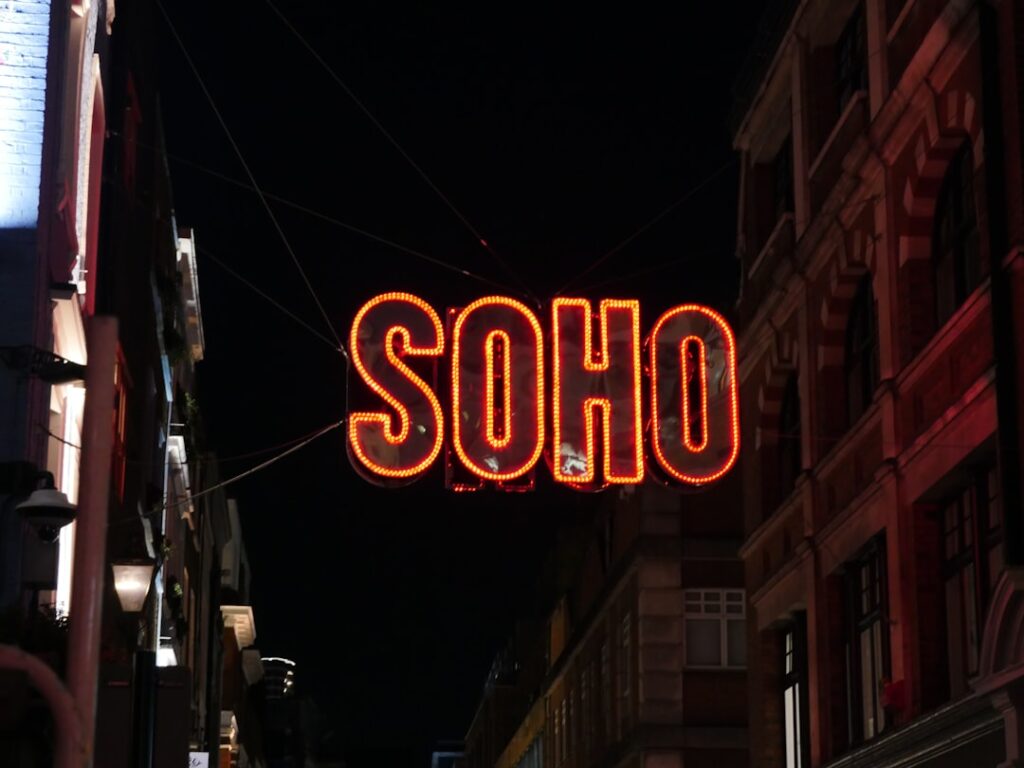
Safety: Soho is lively and a top choice for shows and bars, but watch out for pickpockets in very crowded streets. Local tip: use licensed taxis (Black Cabs) or ride-hailing apps after 23:00 if you’re carrying bags or tired.
Camden Town — live music and night markets
Reference address: Camden High Street, Camden Town, London NW1 7PL. Spots: Camden Market (market 10:00–18:00), Roundhouse, Chalk Farm Road, London NW1 8EH (concert venue; tickets ≈ €20–60).
Camden is lively but some side streets can be poorly lit at night. Tip: stick to main streets (Camden High St) and avoid isolated alleys after 01:00. Pubs usually close around 23:00–00:00, clubs later.
Neighborhoods locals say to avoid at night
According to local feedback, some outer areas deserve extra caution at night: isolated parts of Tottenham (for example around TOTTENHAM HIGH ROAD, Tottenham Hale), certain stretches south of Brixton around Electric Avenue after 01:00, and some industrial zones near Stratford after shopping centers close. This doesn’t mean these neighborhoods are broadly dangerous — but vigilance and preparation (clear route, prebooked transport) are advised.
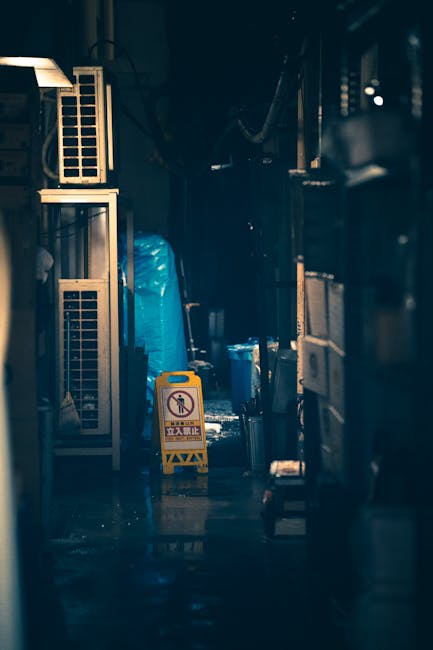
Practical tips: carry a travel card (Oyster/contactless), keep your phone charged, avoid headphones on isolated streets and favor bus and tube lines that are still running or licensed taxis. If you’re exhausted, pay for a taxi rather than walking half an hour in an unfamiliar area.
4) Shopping neighborhoods and local markets: where to find great buys
London is ideal for shopping, from luxury in Knightsbridge to market bargains. Here are neighborhoods and exact addresses, opening hours and typical budgets.
Knightsbridge & Harrods — luxury and window shopping
Address: Harrods, 87–135 Brompton Road, London SW1X 7XL. Hours: generally 10:00–21:00 (varies by season). Products: luxury items, gourmet food on the ground floor (prices: sandwich €10–15, lunch €25–60).
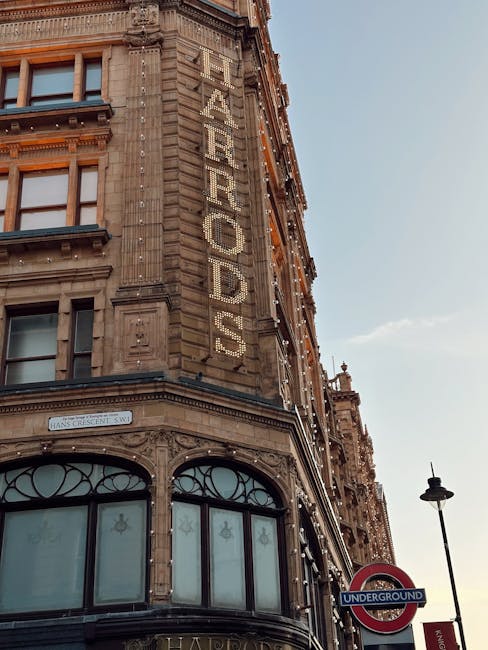
Tip: even if you don’t buy anything, the interior architecture and food halls are worth a visit. Nearby: Harvey Nichols and Sloane Street boutiques.
Oxford Street & Regent Street — major retail and international brands
Reference address: Oxford Street, London W1. Spots: Selfridges, Oxford Street, London W1A 1PH (hours: 10:00–20:00). Prices: high-street clothing ≈ €20–100 depending on brand. Transport: Oxford Circus station (Bakerloo/Central/Victoria).
Local tip: to dodge crowds, shop on weekdays early in the morning. Regent Street is a touch more refined and often less packed during off-peak hours.
Greenwich Market & Deptford — local crafts and markets
Address: Greenwich Market, Greenwich Market Square, Greenwich, London SE10 9HZ. Hours: Wednesday–Sunday generally 10:00–17:30 (varies). Products: crafts, jewelry, street food. Prices: handmade items €10–60, meals €6–12.

Tip: combine with a visit to the Royal Observatory (Greenwich Park, Blackheath Avenue, London SE10 8XJ; planetarium tickets ≈ €16–20) and a Thames riverboat crossing for a full day.
5) Neighborhoods to avoid for accommodation or approach with caution
Locals generally advise steering clear of some areas for overnight stays, especially if you’re tight on time or budget. Below are frequently mentioned zones, what to watch for and recommended alternatives.
Certain parts of East London (outer zones)
Examples: outlying parts of Barking & Dagenham, some industrial streets around East Ham (E6) and nearby areas with limited night services. Why avoid: trains and tubes are less frequent late at night, streets can be industrial and quiet.

Alternative: choose Stratford (E20) if you want the East with good connections — big station and Westfield Stratford City mall (opening hours: most shops 10:00–22:00). Stratford accommodation prices: €70–150 / night, safer and better connected.
Very remote suburbs with poor night links
Some distant suburbs may look cheap but will cost you time and comfort (expensive taxi rides at night). Examples: places too close to coach or industrial terminals outside metro coverage. Tip: always check the nearest station and service hours before booking (the Night Tube runs on certain lines at weekends only: Victoria, Jubilee, Northern, Central and Piccadilly — check service status).
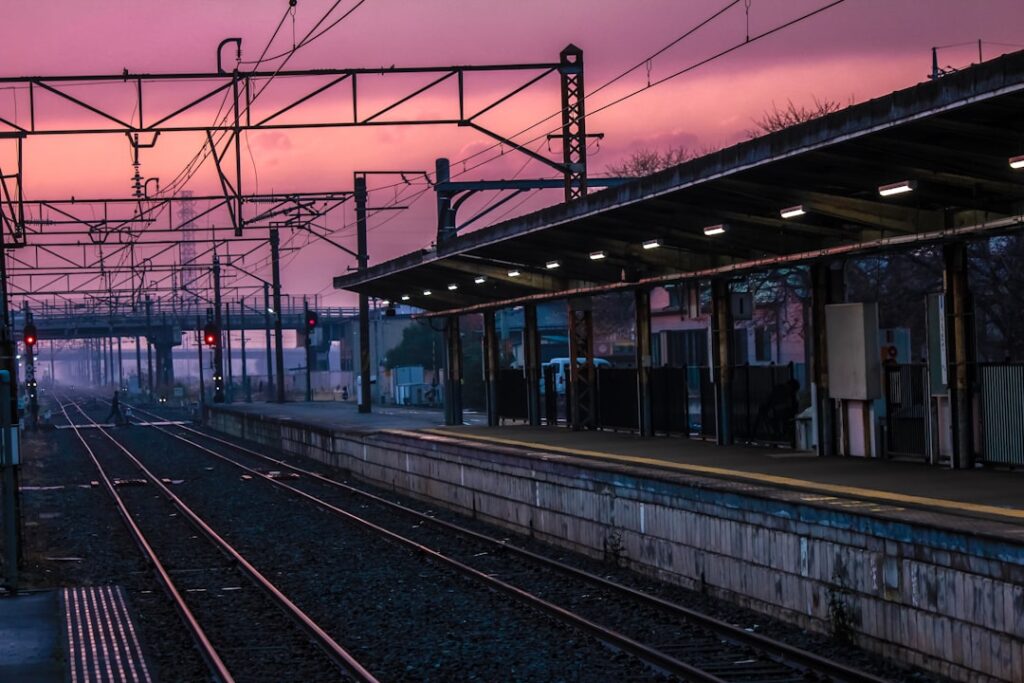
Local tip: use Google Maps and Transport for London (tfl.gov.uk) to check line closures and alternatives (night buses, DLR, Overground).
Conclusion — Summary and final practical tips
London is best discovered at your own pace: museums by day, theatre by night, markets on the weekend and walks along the Thames. The recommended neighborhoods (Kensington, Covent Garden, Shoreditch, South Bank, Notting Hill) offer a mix of accessibility, safety and atmosphere, while areas to avoid for accommodation are often those poorly served at night or dominated by isolated industrial zones. Borough Market, Brick Lane, Portobello Road and Camden are gastronomic and cultural must-sees — each listed above with precise addresses, opening times and average prices.
Final practical tips:
- Transport: get an Oyster card or pay by contactless card (fares are capped daily by zone). A Zone 1 (central) trip usually costs around €2.40–3.20 by contactless depending on time. The Night Tube runs on certain lines at weekends; check before you travel.
- Safety: avoid poorly lit streets at night, keep documents and cards separate, and favor licensed taxis (Black Cabs) or reputable ride apps.
- Budget: plan €12–25 for a typical meal, €60–200 for a mid-range hotel depending on neighborhood, and €10–20 for major paid attractions.
- Hours: museums generally open 10:00–17:30; markets have variable times (Borough Market opens very early on Saturdays).
- Local experience: talk to shopkeepers and locals for last-minute tips — Londoners are usually friendly and happy to share their favorite spots.
In short, plan your route balancing transport proximity, the vibe you want and nighttime safety. If your trip focuses on culture and easy access to main sights, South Kensington, Covent Garden and South Bank are safe choices. If you’re after creativity and nightlife, Shoreditch and Camden will deliver — just be ready to favor taxis or main stations for late returns. And if you opt for budget stays on the outskirts, always check night connections to avoid long or costly journeys. Have a great trip to London — explore with curiosity, common sense and a willingness to go off the beaten track.