





What Travel Guides Won’t Tell You About Hidden Fees in London
Welcome to London’s financial jungle. What the guidebooks don’t tell you is that London isn’t just expensive: it’s full of tiny rip-offs (hidden fees) that nibble away at your budget if you don’t know where to look. I’m talking to you like an old local or an urban detective: we follow the clues, ask the right questions, and—above all—spot the classic traps to avoid. Locals’ golden rule? Assume that any cost labeled “free” or “included” likely has a condition written in tiny print somewhere. Here I give you the facts, exact addresses, prices in euros, opening times and—for every trap—how to spot it and how to dodge it.
I won’t lecture you: I’ll give you evidence and tactics. For example, taking a taxi from the airport may seem convenient, but the meter won’t necessarily tell you about toll surcharges, luggage fees, or night-time extras. Another example: that restaurant in the heart of Covent Garden where the bill surprises you because “service included” doesn’t mean the cover charge is included—there might be setup fees, card surcharges, and sometimes a fee for “online table reservations.” Free museums look like a blessing, but many charge for temporary exhibitions, audio guides, or luggage storage.
I’ll take you by the hand: for each trap you’ll get how to recognize it (clear signs to look for on your receipt or the window) and how to avoid it (concrete actions you can take on the spot, even the exact phrase to say to staff). No sugarcoating: I’ll also tell you where you’re most likely to get nicked without noticing—and give precise locations so you can test my warnings yourself. You’ll find concrete examples in this article: Borough Market (8 Southwark Street, London SE1 1TL), The Shard (32 London Bridge St, London SE1 9SG), Gatwick Airport (South Terminal, RH6 0NP), and more. Prices are shown in euros so you can compare easily: amounts are realistic estimates at the time of writing and may vary with exchange rates or seasons.
This guide is a survival kit: you’ll learn to read a receipt, ask the right questions, and politely refuse unfair charges. Think of me as that neighbor who whispers where to avoid an unnecessary tax and how to save twenty euros here and there—which, in London, buys you a decent lunch or a Tube ride. If you have a specific itinerary, send it over: I’ll flag the hidden fees tied to your stops. For now, grab a notebook, read calmly, and memorize one key phrase: “Could you show me where that charge is noted?” — useful in almost every situation.
Transport costs: taxis, airports and travel cards
Transport = prime target. The classic trap to avoid: assuming “a taxi from the airport is cheaper than a train.” That’s not always true. Here are the main fees and how to spot them.
How to spot the trap: additional charges not made clear up front. For example, black cabs accept card payments, but you might see a screen prompting an automatic 10–15% tip before you’ve even looked at the meter. Uber and other ride-hailing apps apply surcharges (surge pricing) visible in the app but often confusing for tourists. At airports: “meet & greet” surcharges, oversized luggage fees, M25 tolls and Low Emission Zone charges may not be included in some low-cost services.
Concrete examples: from Gatwick Airport, South Terminal, RH6 0NP, the Gatwick Express to London Victoria costs around €20–€27 (depending on how far in advance you buy). A taxi to central areas (Victoria / Westminster) can run between €65 and €110 depending on traffic and extras. From Heathrow Airport (Longford TW6), the Heathrow Express to Paddington is about €25–€30 if booked ahead, but a taxi can easily top €80.
How to avoid it:
- Locals’ golden rule: always check the app and compare. For Gatwick, book the Gatwick Express online in advance (often cheaper) and compare with Southern or Thameslink. At Heathrow, the Heathrow Express is fast but often pricier than the Elizabeth line (Crossrail) or the Tube.
- For taxis, say upfront: “Please no tip, I will tip separately if service merits it.” If the app shows an automatic tip, change it before paying. If the driver insists on a luggage surcharge, ask to see the official tariff card in the vehicle (they are legally required to display it).
- Use an Oyster card or contactless card for the Tube and buses: daily caps apply. Example: a single Zone 1–2 trip costs about €2.60 contactless off-peak; the daily cap for zones 1–2 is roughly €8–€10. Don’t buy “tourist passes” without doing the math: they’re worth it only if you take lots of journeys in a few days.
- Beware of unofficial taxis at terminal exits. Follow the “Official Taxi Rank” signs at airports. At the rank note the terminal address (Gatwick South Terminal, RH6 0NP) and get the driver from the official queue.
Restaurants, pubs and surprise bills
You sit down because the atmosphere is perfect. You think: “meal’s fine, we’ll pay at the end.” The classic trap to avoid: a bill showing a 12.5% “service charge” line and a little “card processing fee.” West End and Covent Garden restaurants love this, but it’s not limited to those neighborhoods.
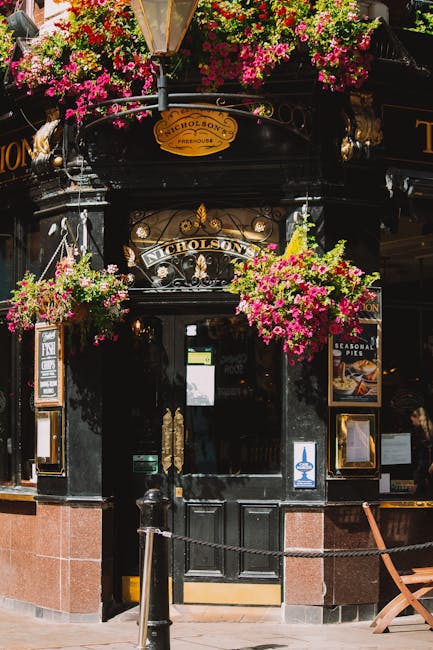
How to spot the trap: an asterisk next to a menu price or the tiny note “a discretionary 12.5% service charge will be added to your bill.” Sometimes the menu mentions a “cover charge” or “booking fee” when you reserve via an intermediary. In traditional pubs expect to order and pay at the bar, but some touristy pubs add a table service fee if you take drinks to a table after dinner.
Specific examples:
- Dishoom, 7 Boundary St, Shoreditch, London E2 7JE — hugely popular; a discretionary service of around ~12% can be added on large group bills. Hours: 08:00–23:00. Cost: a full meal ~€20–€35 per person, excluding extras.
- Rules, 35 Maiden Lane, Covent Garden, London WC2R 0PR — historic restaurant; à la carte dishes starting at €18, and service often listed as included. Hours: 12:00–22:30. Check for a “service charge” line on the bill.
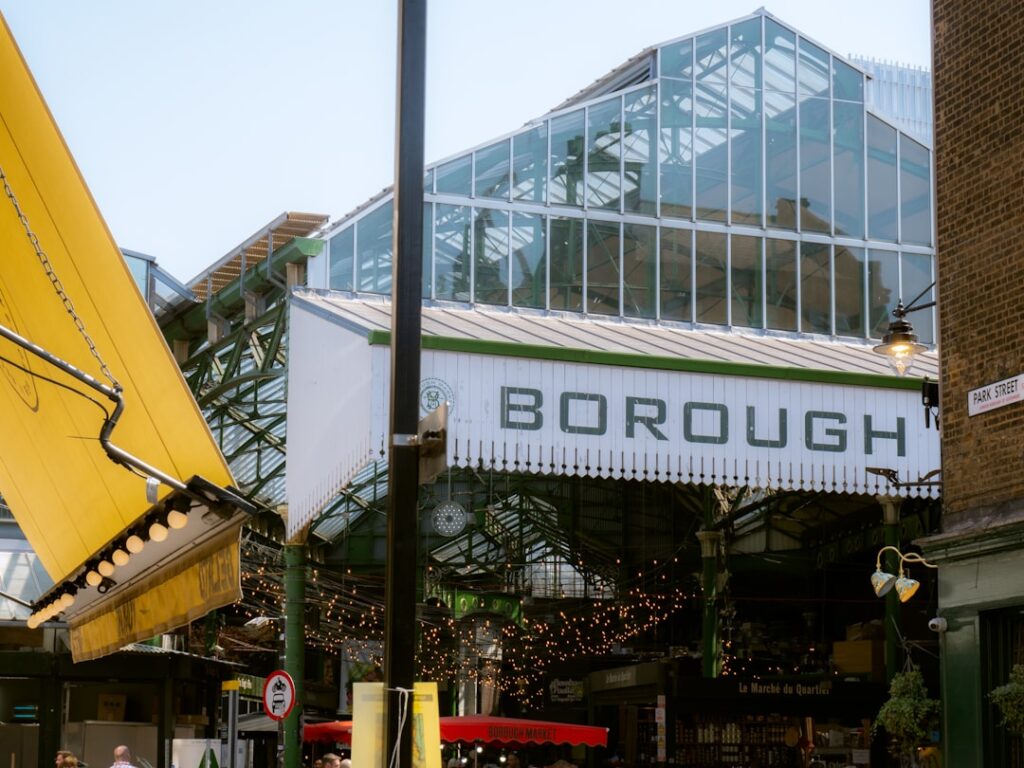
- Borough Market, 8 Southwark St, London SE1 1TL — diverse street food; watch out for card fees (some stalls accept cash only). Portion prices: street food dishes €6–€12.
How to avoid it:
- Check the menu before you order: if “service charge” is mentioned, ask whether it is “discretionary” and whether it can be removed if service is unsatisfactory. Key phrase: “Is that service included? Can it be removed if we decide to split the bill?”
- Pay cash if you want to avoid small card-processing fees. Always carry at least €30–€50 in cash for market stalls and small cafés that require cash.
- If you book via a platform (OpenTable, Quandoo), check the platform’s policy: some restaurants apply a “booking fee” only shown at confirmation. To avoid surprises, call the restaurant directly to book (e.g., Rules 35 Maiden Lane, Covent Garden WC2R 0PR — phone: +44 20 7836 1141) and ask if there will be any extra charges.
Tourist attractions, exhibitions and hidden “extras”
Free museums are wonderful, but they come with caveats. What guides don’t tell you is that “free” admission often excludes special exhibitions, audio guides, guided tours, professional photography, and sometimes even luggage storage during your visit.
How to spot the trap: a sign reading “exhibition ticket required” at the entrance to a wing, or a separate ticket desk for “temporary exhibitions.” On your online purchase receipt, check for lines like “audio guide” and “skip-the-line fee.” Sometimes the site touts “free admission” in big letters and buries temporary exhibition prices on a secondary page.
Concrete examples:
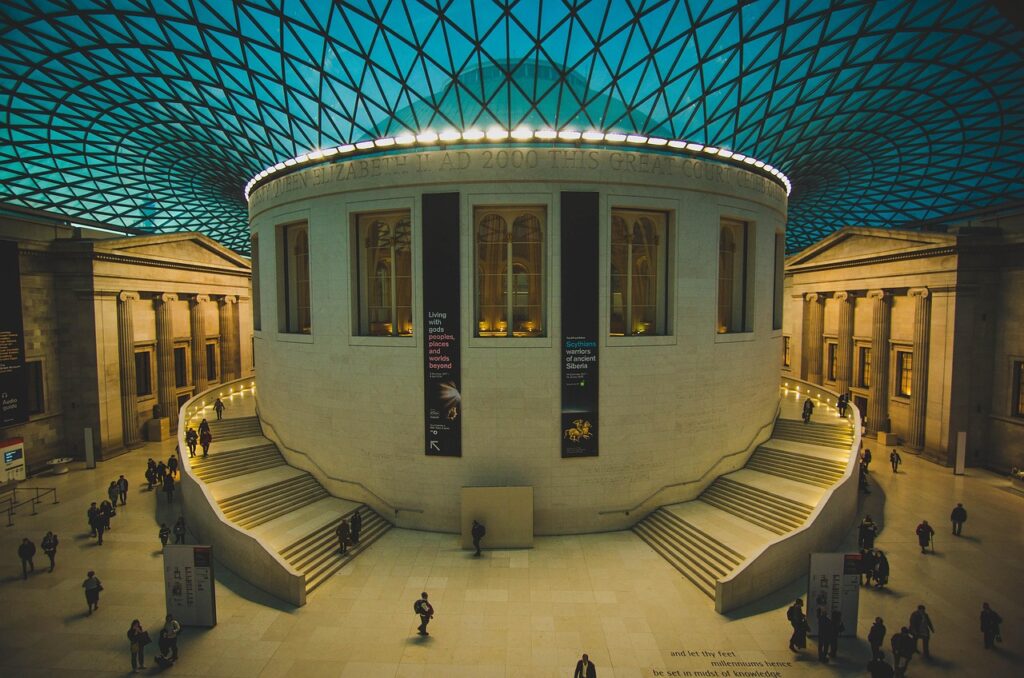
- British Museum, Great Russell St, London WC1B 3DG — general admission is free. Temporary exhibitions: paid tickets start around €18–€25. Hours: 10:00–17:30 (Friday until 20:30).
- The Shard, 32 London Bridge St, London SE1 9SG — viewing platform: standard tickets ≈ €30–€40, but watch for booking fees and “fast track” slots at +€10–€20.
- Sky Garden, 20 Fenchurch St, London EC3M 8AF — entry is free but booking is usually required; reserved slots (evening dining) can be paid. Hours: vary by booking.
How to avoid it:
- Book in advance online and print the confirmation. Read the fine print: look for “ticket price”, “optional add-ons” or “donation.” Phrase to use at the desk: “Is that ticket the full admission or are there additional charges for galleries or audio guides?”
- Favor visiting temporary exhibitions on free days or during late-night openings when tickets are sometimes discounted. At the British Museum, check the official page for student, senior, or cultural pass discounts.
- For viewpoints like The Shard, buy tickets outside “peak” time slots and skip the “skip the line” options if you have time: the time saved is often minimal compared to the extra cost.

Shopping and markets: false bargains and extra charges
Markets, shops, malls: the classic trap is treating the sticker price as the final price. Taxes, conversion fees, international delivery charges, and gift-wrapping fees can turn a bargain into an unnecessary expense.
How to spot the trap: prices shown without “incl. VAT” or “excl. VAT” indication, “no refunds” disclaimers hidden in fine print, or vendors offering “tax free” but giving incomplete receipts. Tourist shops around Leicester Square and Oxford Street often show rounded prices without clarifying tax implications for foreign card payments.
Concrete examples:
- Oxford Street, Oxford St, London W1 — big retailers; beware conversion fees if you pay in euros. Foreign cards may incur a bank commission of 1–3%; on a €200 purchase that adds €2–€6.
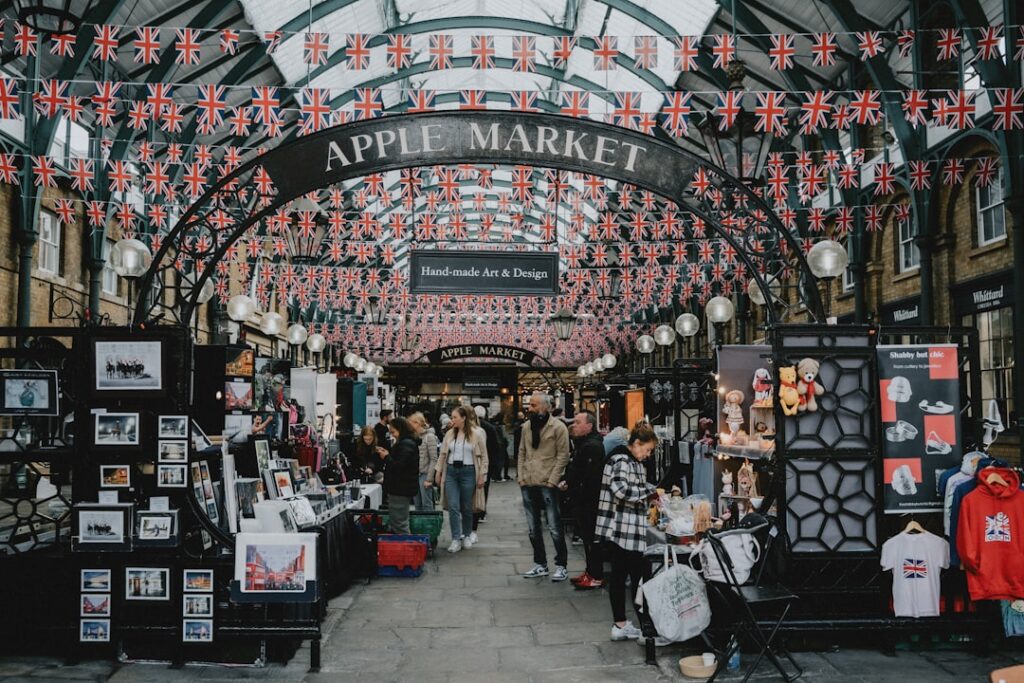
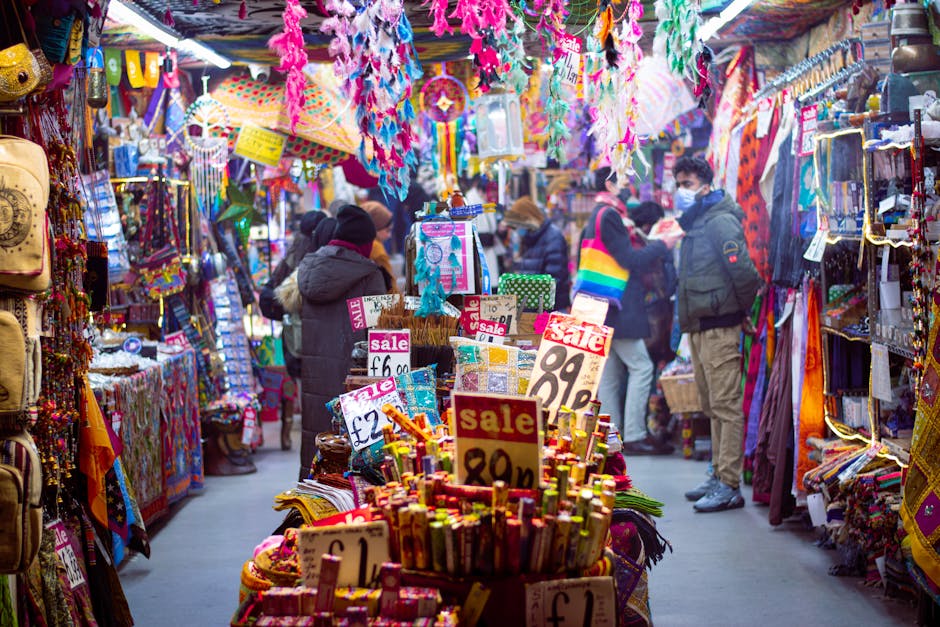
- Camden Market, Camden Lock Pl, London NW1 8AF — handmade items; check card acceptance: many prefer cash to avoid fees. Typical souvenir price: €5–€25.
- Harrods, 87–135 Brompton Rd, Knightsbridge, London SW1X 7XL — luxury shopping; check the VAT refund desk policy if you live outside the EU (processing fees may apply).
How to avoid it:
- Always ask whether the price includes VAT. If you’re eligible for a VAT refund (non-resident), check the procedure at the “VAT refunds” counter and note processing fees. Bring a bank card that doesn’t charge conversion fees if possible.
- At markets, favor cash for small purchases and negotiate politely. For expensive items, ask for a full receipt to secure warranty rights.
- Before buying, use a simple rule: if “delivery abroad” costs more than 10% of the price, ask if the shop can issue an invoice so you can claim a VAT refund.
Accommodation: arrival extras and “must-have” services
Whether you’re in a boutique hotel in Shoreditch or a B&B in Notting Hill, check-in can feel like an ambush of fees. The classic trap: “late check-in” surcharges, locally applied “resort” fees, safe usage charges, or an unannounced city tax.
How to spot the trap: reservation confirmations with notes in italics, phrasing like “additional charges may apply,” or an automated email after booking that sends a final “invoice” different from the initial price. On arrival, you may be presented with an “authorization hold” on your card to cover incidentals. This hold can lock between €50 and €200 depending on the hotel.
Concrete examples:
- The Hoxton, 199-206 High Holborn, London WC1V 7BD — popular hotel; room rates from €120–€220 per night depending on season. Check deposit and any city tax policies.
- Point A Hotels, 338–340 Gray’s Inn Rd, London WC1X 8BP — budget chains; rooms from €60–€110. Some services (luggage storage, early check-in) are charged separately.
How to avoid it:
- Before booking, read the “Terms & Conditions” section. Ask by email (save the reply): “Please confirm the final total including all taxes and any potential incidental hold placed on my card.”
- If the hotel requests a security hold (authorization hold) prefer a cash deposit if you can, or ask for the exact amount and the release date for the hold.
- For breakfast, check whether it’s “included” or not. If breakfast costs €12–€18 and you can get coffee and a sandwich nearby for ~€6, do the math.
Conclusion: adopt the mindset of a savvy local
What travel guides don’t tell you is that hidden fees in London are everywhere—small but persistent—and they rely on two tools: tourists’ preference for convenience and tiny-print wording on menus or confirmations. The locals’ golden rule is to be suspicious of “free” promises and to read your booking confirmation at least once. The classic trap is passive acceptance: never pay without checking every line of the receipt. You now have an arsenal: key phrases, addresses, approximate euro amounts, and a method to spot the clues.
Practice before you go: compare taxi prices with the Gatwick Express, re-read your hotel booking email to spot the phrase “additional charges may apply,” and look for “service charge” on the Dishoom menu (7 Boundary St, Shoreditch, London E2 7JE). Apply this simple rule: if an amount surprises you, immediately ask to see where it is listed. Honest staff will show you; scammers will hesitate—and that hesitation is your signal.
Finally, remember that saving €10–€20 on a trip or a meal gives you power: you can treat yourself to the attractions you truly want to see (for example The Shard, 32 London Bridge St, London SE1 9SG) without regret. London can be very generous when you know how to read its signs. If you’d like, I can proofread your booking confirmations, check a specific itinerary for invisible fees, or prepare a printable checklist to take with you. With that—safe travels, and keep your detective eyes open.