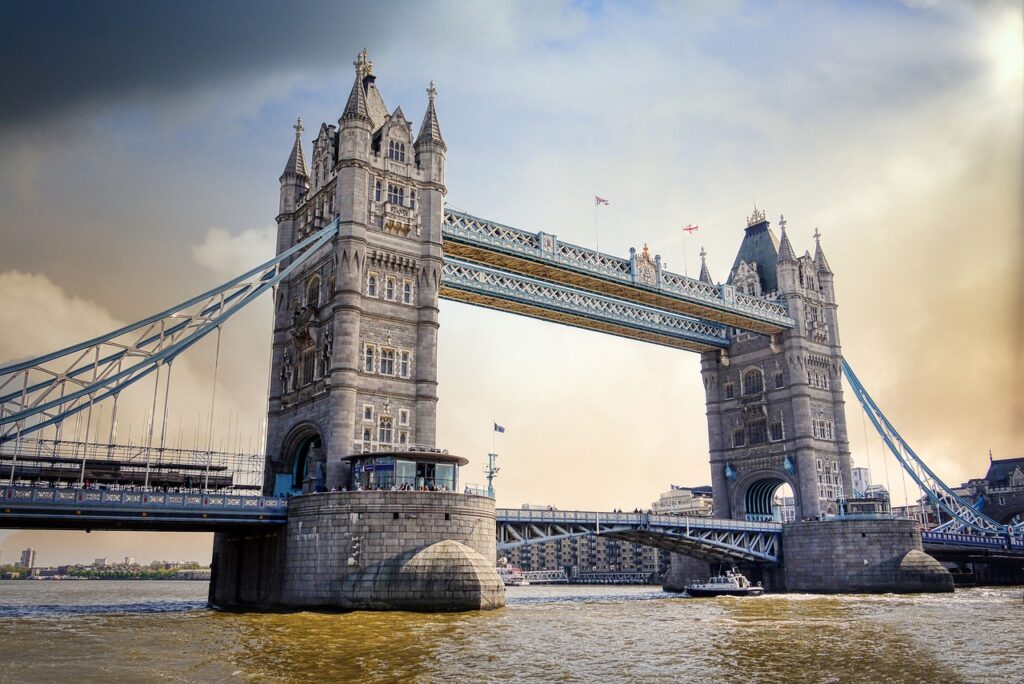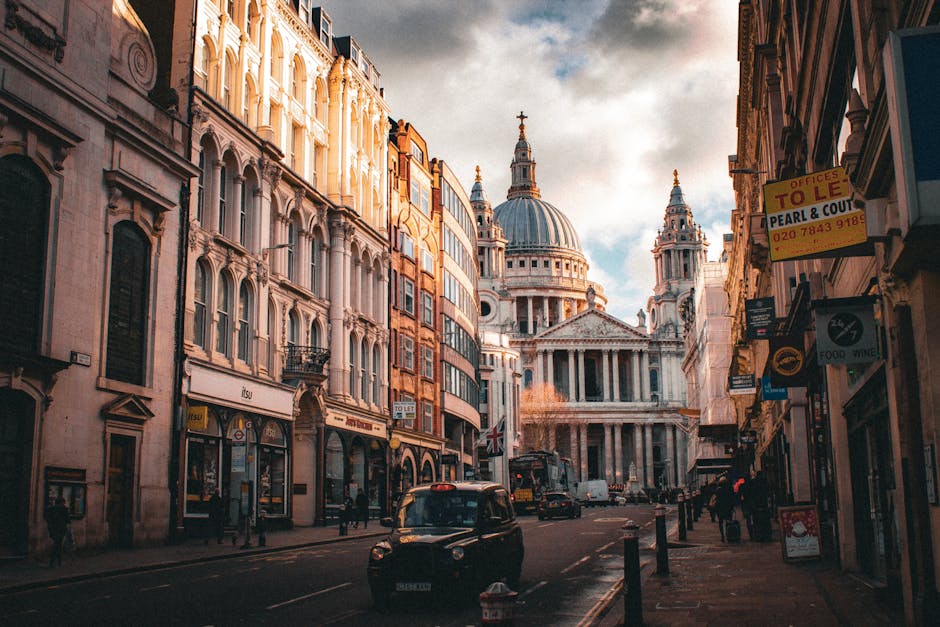





Introduction: Reading Local Signals — Why It Matters in London
London is a city that blends centuries of history, a multicultural mosaic and a fast-paced urban life. For visitors, understanding local social codes goes beyond knowing polite phrases: it means decoding a set of nonverbal cues, public habits and unspoken rules that shape everyday life in the British capital. Reading these signals well will help you avoid awkward faux pas, make interactions smoother — from Tube queues to pub chats — and enjoy a more authentic, respectful experience. This article is a practical, detailed guide to spotting and interpreting those signals, with real examples, addresses, opening times and local tips.
As a traveller you’ll encounter varied situations: standing in line at King’s Cross, ordering at a stall in Borough Market, greeting a guard at Buckingham Palace, or finding your place in a social setting like a morning at the British Museum. Each place has its own codes — some explicit (signs, access rules), others implicit (gestures, personal distance, tone of voice). Knowing where to look, how to behave and when to speak will help you blend in without imposing.
This guide covers major London social contexts: public transport and queues, pubs and cafés, cultural spaces (museums, galleries, ceremonies), markets and shopping streets, and formal interactions (hotel reception, guided tours). For each context I give exact addresses — for example Buckingham Palace, Westminster, London SW1A 1AA — typical opening hours, price ranges quoted in euros, immersive descriptions and concrete tips to decode Londoners’ verbal and nonverbal language. You’ll also find visual cues noted with image markers to help you recognise situations on the ground.
Before we begin: keep in mind that “courtesy” in London often means discreet politeness, respect for personal space and subtle conflict management. Londoners appreciate well-timed humour, patience in queues and punctuality. This guide isn’t exhaustive, but it’ll give you the essentials to read local signals and behave like a savvy visitor in iconic spots like The British Museum (Great Russell St, London WC1B 3DG), Borough Market (8 Southwark St, London SE1 1TL) or The Shard (32 London Bridge St, London SE1 9SG). Follow these signposts, adapt to the context and you’ll find that careful observation is often the best way to learn.
Public Transport and Queues: Decoding London’s Discipline
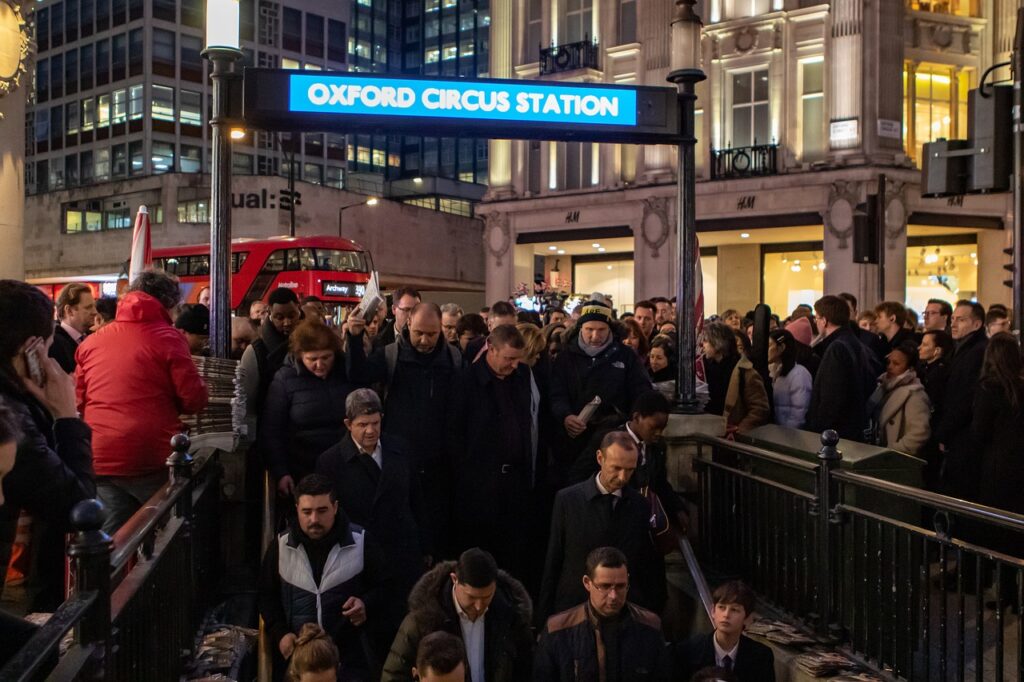
Getting around London means quickly learning how to read queues, platform signs and behaviour inside Tube carriages. The network is dense: Underground lines, Overground, DLR, national trains and buses. Tacit rules start with orderly queuing. At a station like King’s Cross St. Pancras, Euston Rd, London N1C 4QP, Londoners form neat lines at ticket barriers and platform entrances. Never cut the queue; waiting is seen as respectful, and trying to push ahead will get you cold looks more than a verbal confrontation.
Transport for London (TfL) publishes timetables and fares, but here are practical pointers:
- Hours: most Tube lines run roughly from 05:00 until around midnight; some lines (Central, Jubilee, Victoria) offer limited Night Tube service at weekends. Check the TfL app for exact times.
- Price: a Zone 1–2 trip with Oyster/contactless costs about €3.20 (variable by time). Bus fares are roughly €1.60. Day Travelcards start at around €12 per day for zones 1–2.
- Tips: touch in and out with your card — failing to do so can lead to a penalty. On escalators, stand on the right; keep the left clear if you want to walk up or down.
Inside the carriage the nonverbal cues are subtle: a brief direct glance can mean a silent question (e.g. “May I sit?”), while prolonged silence usually indicates people prefer to keep their distance. Avoid speaking loudly on the phone; most Londoners keep their voices low, especially during rush hour. Priority seats are marked; offer them to elderly people, pregnant women and those with limited mobility. Station staff wear orange or blue uniforms and are used to tourist questions — a smile and “Excuse me” works well.
Some locations illustrate these codes: Waterloo Station, Waterloo Rd, London SE1 8SW becomes a flowing crowd in mornings and evenings where crowd dynamics dictate movement. By contrast, the smaller Highbury & Islington, Drayton Park, London N1 2LA feels more relaxed; you’ll notice longer conversations and friendlier exchanges. In national rail stations (e.g. London Paddington, Praed St, London W2 1HQ), follow electronic boards and respect boarding markings on the platform.
Pubs, Cafés and Body Language: How to Interact Without Offending
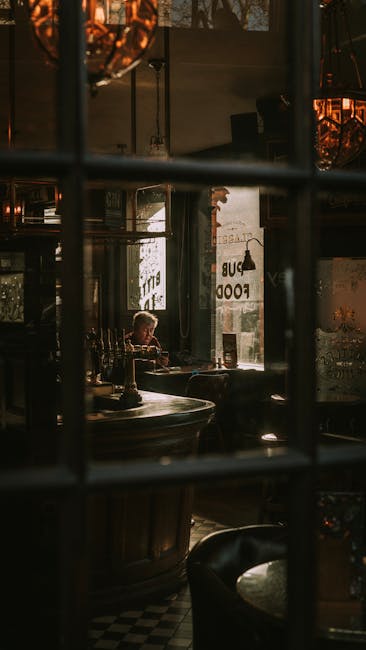
Pubs and cafés are social microcosms where reading local cues really matters. A traditional pub like The Churchill Arms, 119 Kensington Church St, London W8 7LN or a neighbourhood coffee spot like Monmouth Coffee Company, 27 Monmouth St, London WC2H 9EU each has its own customs: how to order, tipping etiquette, and the right attitude at the counter. In many pubs the unspoken rule is to order at the bar for drinks and to say clearly if you want to be served at your table.
Indicative prices (in euros):
- A pint on tap in a London pub: €5–€7 depending on area (central ≈ €6–€7).
- Filter coffee or espresso at Monmouth Coffee Company: €2–€4.
- A simple dish (pie, fish & chips): €10–€18 depending on the venue.
Nonverbal signals:
- If you put your bag or coat on a chair and no one moves it, that often means the table is taken or reserved — look around and, if in doubt, ask a server.
- A small nod can grant permission to approach; an averted glance usually means “not right now.”
- At mealtime, looking around combined with a small step toward a free table can signal intent to sit — but it’s safer to ask to avoid misunderstandings.
Tipping: Gratuities aren’t mandatory but are appreciated. In pubs you’re not expected to tip if you’ve only had a drink at the bar. In restaurants a 10–15% tip is common if service isn’t included. For practical context, at Dishoom Covent Garden, 22 Kingly St, London W1B 5QJ, a meal for two might cost €40–€70 depending on dishes; adding about 12% as a tip is appreciated. Note some places automatically add a service charge — always check the bill.
Conversations: Safe topics in a pub include football, the weather, transport and local culture. Avoid diving into heated political or religious debates with strangers. If someone smiles and starts a chat, respond politely but don’t force intimacy.
Museums, Public Ceremonies and Formal Spaces: Discreet, Respectful Observers
London’s cultural venues — like The British Museum, Great Russell St, London WC1B 3DG, Tate Modern, Bankside, London SE1 9TG, and public ceremonies at Buckingham Palace, Westminster, London SW1A 1AA — come with clear behavioural codes. The basic rule: watch before you act. In a museum, keep a respectful distance from artworks, speak quietly and silence your phone. Photography is generally allowed unless stated otherwise: at the British Museum most galleries permit photos without flash, but temporary exhibitions may restrict imaging.
Practical hours and prices:
- The British Museum: free entry; typically open 10:00–17:00 (Thursdays 10:00–20:30). Address: Great Russell St, London WC1B 3DG.
- Tate Modern: free entry to the permanent collection; ticketed exhibitions €12–€20. Opening hours: 10:00–18:00, Fridays until 22:00. Address: Bankside, London SE1 9TG.
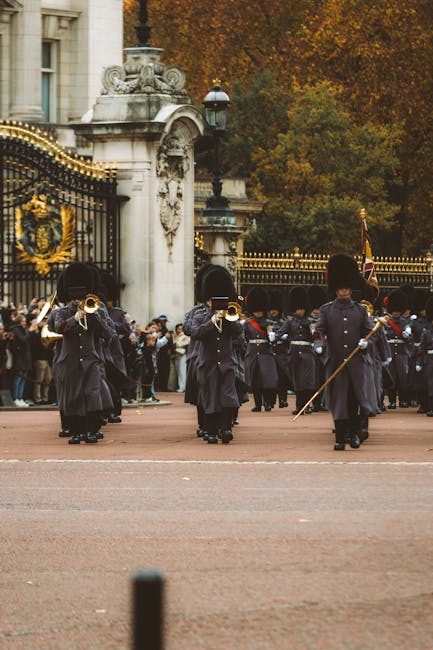
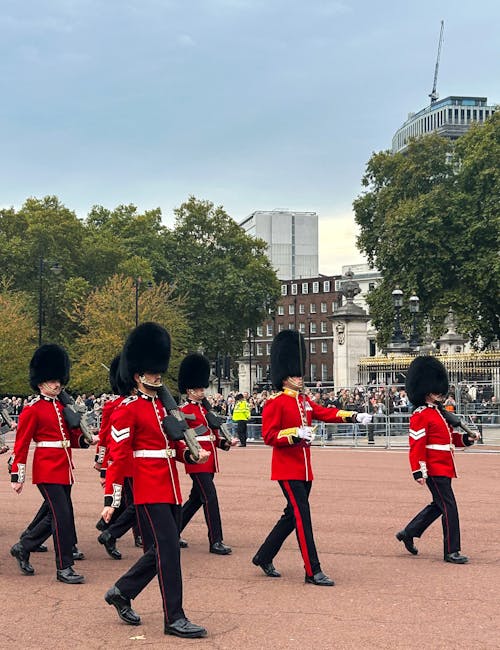
- Changing of the Guard at Buckingham Palace: usually around 11:00 (specific days vary by season). Arrive an hour early if you can. Address: Buckingham Palace, Westminster, London SW1A 1AA.
Concrete signals in these places:
- Body positioning: in a gallery, leaning slightly toward a piece shows interest; crouching or lying on the floor is frowned upon and sometimes forbidden.
- Quiet and whispers: at Tate Modern and the National Gallery low conversations are the norm; raising your voice is seen as rude.
- Queues and security: for events like the Guard’s changing, follow barriers and staff directions; trying to get past barriers will quickly attract staff intervention.
Tips for guided tours and performances: arrive 10–15 minutes early for a guided tour (for example the organised tours at the Tower of London, Tower Hill, London EC3N 4AB). Tower of London entry tickets cost roughly €35 for an adult; check the last entry times (often between 16:30–17:00 depending on the season). During guided tours, asking relevant questions is welcomed — guides value sincere interest.
Ceremonial behaviour: attending an official event (e.g. Changing of the Guard) often means standing to one side and showing military courtesy. At those moments avoid walking in front of formations, keep quiet and don’t wave flags or carry bulky items. Respecting these codes makes the experience smoother and often richer, since you’ll be able to observe details without causing embarrassment to yourself or others.
Markets, Informal Meeting Places and Cultural Nuances
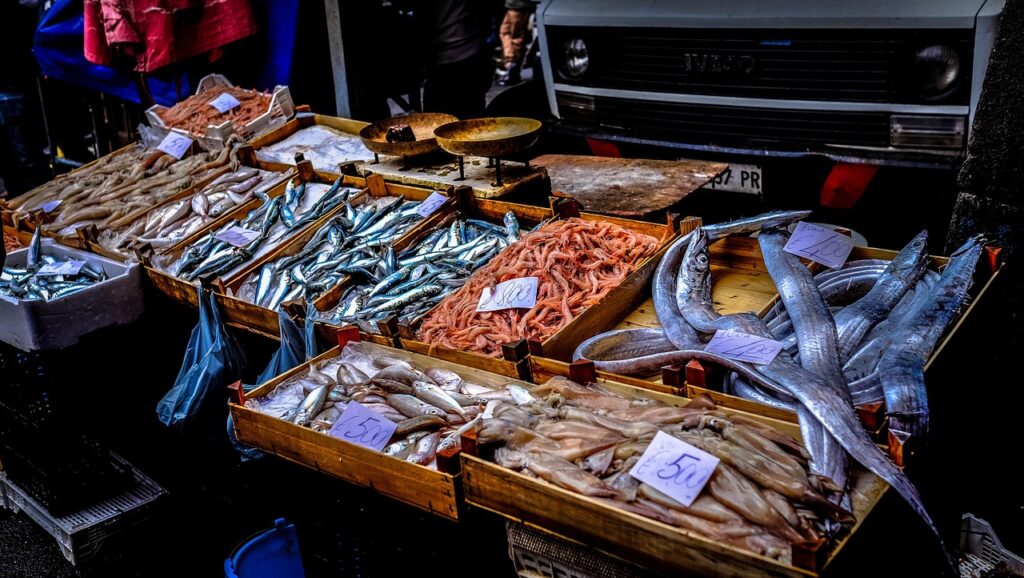
London’s markets are prime spots to learn social signals: behind every stall, vendor and queue there are micro-cues to read. Take Borough Market, 8 Southwark St, London SE1 1TL as a concrete example — vendors are direct and efficient. Approach stalls, wait your turn, taste if offered, pay by card or cash — but make your order clear to keep things flowing. Typical prices: a street food portion €6–€12, a chunk of artisanal cheese €4–€8.
Other markets and meeting places:
- Camden Market, Camden Lock Pl, London NW1 8AF — an eclectic market usually open 10:00–18:00; stalls sell goods, clothes and street food, prices varying widely (often €5–€40 depending on the item).
- Columbia Road Flower Market, Columbia Rd, London E2 7RG — Sundays 08:00–15:00; plants and flowers, prices €3–€30 depending on bouquet size.
- Portobello Road Market, Portobello Rd, London W11 1LJ — Saturday is the busiest day; antiques and vintage fashion, price range €5–€200.
Signals to watch for:
- How a vendor looks at you: a brief eye contact and a smile often mean “I’m ready to serve,” while intense focus on preparing an item indicates you should wait.
- Hand gestures: a circular wave toward a product can invite you to touch it; a pointed finger and an implicit “not for touching” may mean the item is fragile or exclusive.
- Food queues: respect the order and state your order clearly when you reach the counter. London customers value efficiency and dislike ambiguity.
Buying and haggling tips: haggling is normal for antiques at Portobello, but less so for street food. Be polite, make a reasonable counter-offer and look for a small smile or a shrug — if the vendor refuses, move on without pressing. Remember friendliness often comes from a respectful exchange.
Final Practical Tips and a Pre-Departure Checklist
- Learn a few simple phrases: « Please », « Thank you », « Excuse me » will get you through most situations.
- Keep some change on you for small purchases; some market stalls prefer cash for low-value transactions though many accept cards.
- Observe for the first five minutes: posture, personal distance, tone of voice — then adapt your behaviour accordingly.
- Use local apps (TfL, Citymapper) to anticipate flows and avoid peak crushes.
Conclusion: Internalise Local Signals for a Better London Experience
Reading social signals in London is as much about watching as it is about adjusting. The British capital is a city of contrasts — formal in its ceremonies, warm in neighbourhood pubs and efficient in its transport — and each micro-place has its own rules. By observing how Londoners queue, speak in public, interact at markets and respect cultural spaces, you’ll gain comfort and authenticity. The tips in this guide will help you notice gestures, silences, glances and body positions that reveal intention and local politeness.
Don’t forget the practical details given here: addresses like King’s Cross St. Pancras, Euston Rd, London N1C 4QP or Buckingham Palace, Westminster, London SW1A 1AA, general opening hours for museums and markets, and price estimates in euros for attractions and meals. Combine this information with a healthy dose of observation and humility, and you’ll not only avoid misunderstandings but also enjoy richer, more authentic exchanges with locals.
Finally, remember that flexibility is essential: London shifts by neighbourhood and season. A handy trick is to begin interactions with a polite question (« Excuse me, is this seat free? ») or a small remark about the weather — a nearly universal conversation starter here — to test someone’s openness. With these tools you’ll be able to decode local signals and make the most of your time in the British capital, respecting customs and discovering both iconic sights and hidden corners. Safe travels — and happy observing.