





Introduction: Why Explore London’s Quirky Themed Museums
London is overflowing with museums — from major institutions like the British Museum to large contemporary art galleries — but often the most memorable discoveries are tucked away in the city’s strange, eccentric, and deeply personal corners. London’s quirky themed museums deliver a different sensory and intellectual experience: modern cabinets of curiosities, preserved period houses, everyday-object collections turned into emotional archives, and specialized museums devoted to unexpected items like fans, toys, or historical surgery. These places are built to surprise, delight, and occasionally give you a little chill, making every visit one-of-a-kind.
This article is a detailed, general guide for curious travelers. Inside you’ll find a curated list of London’s must-see quirky museums, with practical essentials for each: the full name, exact address, approximate price in euros, opening hours, an immersive description, and local tips to help you get the most from your visit. The descriptions focus on the experience: atmosphere, display style, standout objects, and small hacks to avoid crowds or catch special events (evenings, guided tours, combo tickets, photo policies, accessibility notes).
Why pick these museums over the headline attractions? Because they tell intimate, sometimes singular stories you won’t find anywhere else. You can step into a house where time feels frozen, explore decade-by-decade collections of everyday items, or wander rooms where skeletons and rare specimens sit alongside art and scientific oddities. These museums are often cheaper, smaller, and friendlier than the big institutions — perfect for travelers wanting to stray off the beaten path.
This guide also includes practical advice: how to combine several visits in a half-day, which tickets to book in advance, the best times to avoid crowds, plus recommended cafés, bookstores, and markets nearby to extend the outing. Each museum lists up-to-date information as of writing — usual opening hours, ticketing policy, and accessibility recommendations when relevant.
The museums featured here span London’s neighborhoods and themes, from the historic center to quirkier areas like Hackney and Camden. They’re great for families, social history buffs, design lovers, photographers, and contemplative walkers. Get ready to be surprised, take unusual photos, and come away with stories few tourists know. Happy exploring through a wonderfully odd London of mini-museums, cabinets of curiosities, and carefully kept tales.
1. Viktor Wynd Museum of Curiosities, Fine Art & Natural History
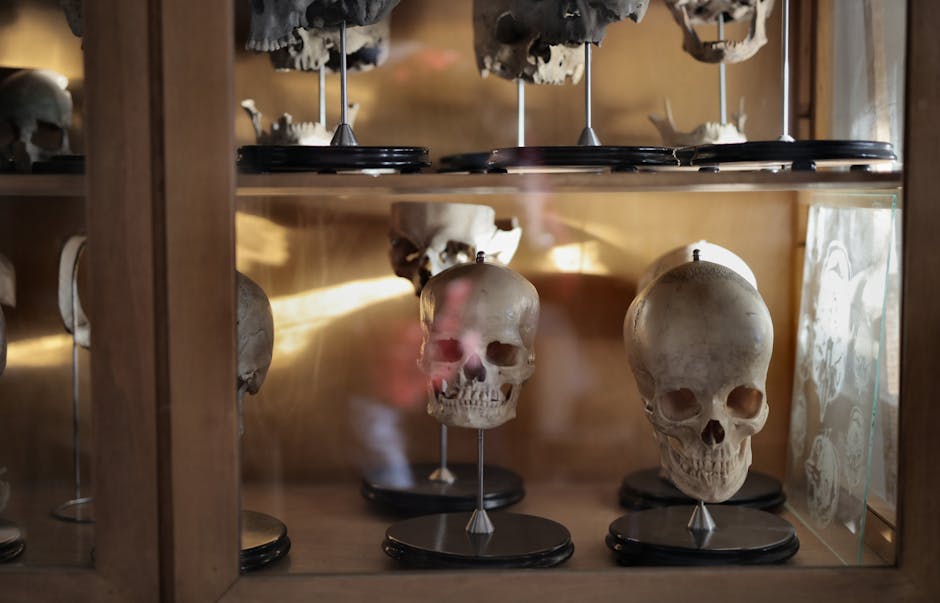
The Viktor Wynd Museum of Curiosities, Fine Art & Natural History is likely one of the strangest museums in London. Styled as a modern, baroque cabinet of curiosities, it’s tucked away in Hackney. The displays are dense and maximalist: natural specimens (skeletons, taxidermy), contemporary art, historical artefacts, exotic oddities, and fabricated curios. The vibe swings between a Victorian cabinet and the lair of an obsessive collector.
Address and practical info
- Address: Viktor Wynd Museum, 11 Mare Street, Hackney, London E8 4RP, United Kingdom
- Price: Around €13.00 for general admission (adult rate; prices may change)
- Opening hours: Generally Thursday to Sunday, 11:00–18:00; special evening events sometimes on weekdays — check the website before you go.
A visit usually takes between 45 minutes and 1.5 hours depending on how deep you want to dive. Dim lighting, crowded display cases, and the sheer number of objects invite slow, careful exploration: read the labels, examine odd details, and let yourself be surprised by unexpected juxtapositions. The museum also has a tiny bar/cabaret where readings and performances are regularly held.
Local tips: aim for a weekday visit or early on weekends to avoid groups. The space is compact and can feel claustrophobic at peak times; if you’re sensitive to a « overstuffed » atmosphere, plan a break at a nearby café. Note that photography restrictions apply to some items — ask staff. The museum sells a beautifully produced printed catalogue — a great souvenir.
2. Sir John Soane’s Museum — A Time-Frozen House Museum
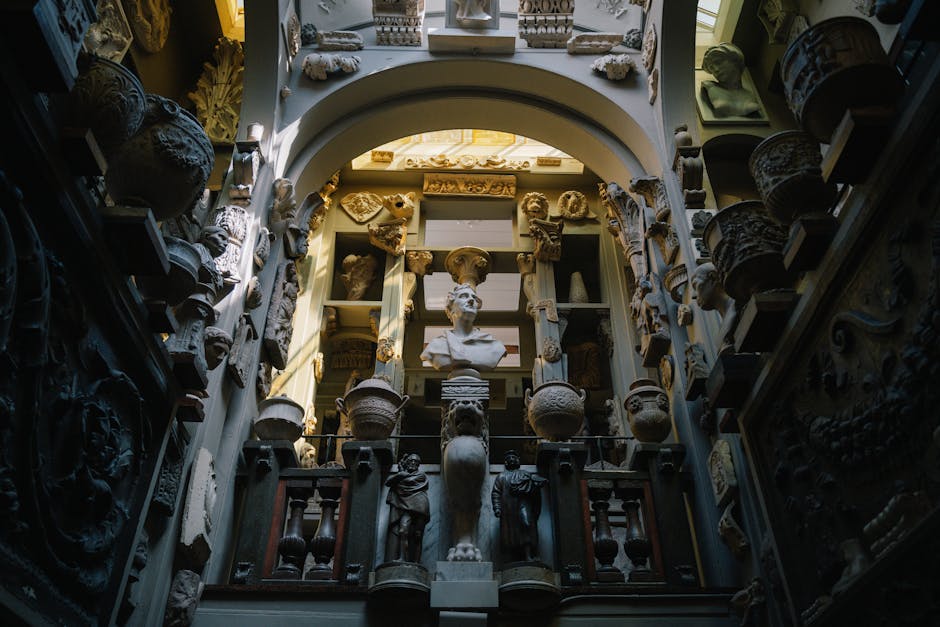
The Sir John Soane’s Museum is the preserved home of the famed neoclassical architect Sir John Soane, turned into a museum after his death in 1837. Located at Lincoln’s Inn Fields, it offers an immersive experience: each room is arranged exactly as the owner intended, packed with antiquities, paintings, architectural models, and a density of objects staged to surprise visitors. One of the house’s charms is that it has been kept « as is » — the space is essentially a time machine.
Address and practical info
- Address: Sir John Soane’s Museum, 13 Lincoln’s Inn Fields, Holborn, London WC2A 3BP, United Kingdom
- Price: Free entry, although donations are appreciated and tickets for guided tours are recommended; some temporary exhibitions may charge around €6.00–€8.00.
- Opening hours: Wednesday to Saturday 10:00–17:00, closed Sunday–Tuesday (check for bank holidays and special exhibitions).
Visits often follow a set route because rooms are narrow and objects fragile. The lighting, scent of old wood, and ornate mouldings create a solemn, almost theatrical atmosphere. Collections include original drawings by artists like Turner, architectural models, and the famous « sarcophagus room. » It’s easy to see why Soane demanded his house remain unchanged: the place tells the story of an intensely curated aesthetic.
Local tips: book online for some guided tours, especially in high season. Photography is restricted in certain rooms — follow the rules — and the museum is within walking distance of Holborn and Chancery Lane stations. After your visit, linger at the nearby cafés and bookstores to extend your reflection on architecture and conservation.
3. Dennis Severs’ House — A Living Theatre of Domestic Intimacy
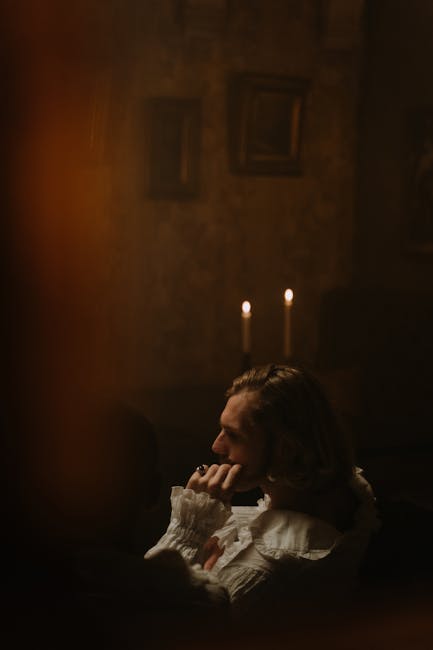
The Dennis Severs’ House is often described as more of an experience than a museum: it’s a house in Spitalfields where visitors take a « silent tour » guided by atmosphere. Artist Dennis Severs imagined the house as a living tableau of Huguenot family life from the 18th to 19th centuries. Each room is meticulously staged — tableware, textiles, scents, and lighting — to evoke the sense of human presence rather than merely showing artefacts.
Address and practical info
- Address: Dennis Severs’ House, 18 Folgate Street, Spitalfields, London E1 6BX, United Kingdom
- Price: Around €15.00 per adult for the silent guided visit (indicative price; online booking highly recommended)
- Opening hours: Guided tours at set times, usually Tuesday to Sunday, mornings and afternoons; closed some days — check the calendar before you go.
Tours run in small groups and in silence, which heightens the immersive effect. The staging relies on precise details: traces of meals, newspapers, soft light, and occasionally subtle sound elements. The experience can be emotional — you feel you’re stepping into the everyday lives of absent but « still-present » characters. It’s perfect for anyone seeking a contemplative, sensory visit outside the usual museum format.
Local tips: booking is essential — spaces are limited and the house sometimes closes for temporary installations. Avoid bringing very young children, as silence and slow pacing are part of the experience. The house sits in the heart of Spitalfields, an area rich with markets (like Brick Lane) and cafés, making it easy to extend your visit with food or antique shopping.
4. Pollock’s Toy Museum & The Fan Museum — Vintage Toys and Precious Fans
This section covers two gems: Pollock’s Toy Museum and The Fan Museum. Though they focus on different objects, both offer deep dives into specialized worlds, perfect for detail lovers, curious families, and amateur photographers.
Pollock’s Toy Museum
- Address: Pollock’s Toy Museum, 1 Scala Street, Bloomsbury, London W1T 2HL, United Kingdom
- Price: Around €9.00 for adults, €5.00 for children (indicative prices)
- Opening hours: Open a few days a week (check online); often closed on certain days for private events. Typical opening: 11:00–17:00 on open days.
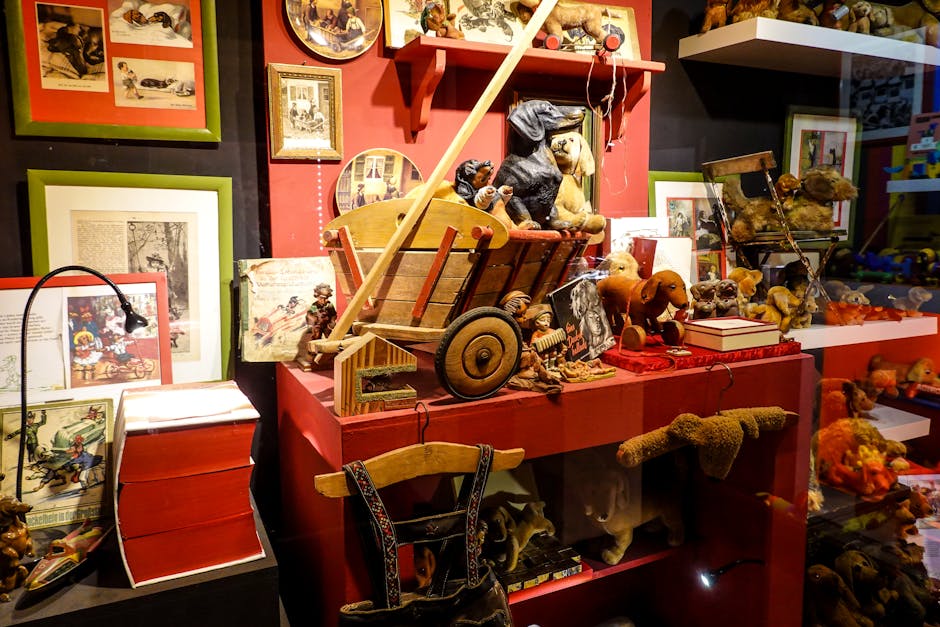
This tiny museum showcases antique toys, puppets, dollhouses, and automata. It feels like an enchanted attic: shelves to the ceiling, display cabinets full of miniatures, and a nostalgic charm. Children are often captivated, while adults appreciate the wealth of detail and the social history these objects reveal.
The Fan Museum
- Address: The Fan Museum, 12 Crooms Hill, Greenwich, London SE10 8ER, United Kingdom
- Price: Around €8.00–€10.00 for adult entry; reduced rates for students/seniors
- Opening hours: Generally open Tuesday to Sunday, 10:00–17:00; closed Mondays (check the site for temporary exhibitions and concerts)
The Fan Museum houses an international collection of fans, exquisite examples of craftsmanship and fashion. Fans are displayed in softly lit cases; the interpretation covers both artisan techniques (bone, ivory, lace, painting) and the social codes tied to these accessories. The museum is set in a Georgian house overlooking Greenwich, making it an ideal stop to combine with a stroll in the nearby gardens.
Local tips: for Pollock’s Toy Museum, double-check opening days since the space is small and sometimes used for private events. For The Fan Museum, plan to visit alongside a Greenwich walk — the National Maritime Museum and local market are a short distance away. Both museums have charming gift shops perfect for refined souvenirs.
5. The Old Operating Theatre & Grant Museum of Zoology — Historical Medicine and Natural Science Cabinets
For a hands-on dive into scientific and medical history, pair the Old Operating Theatre Museum and Herb Garret with the Grant Museum of Zoology. Both reveal the past of medical and scientific practice in often startling ways.
The Old Operating Theatre Museum and Herb Garret
- Address: Old Operating Theatre Museum, 9a St Thomas Street, London SE1 9RY, United Kingdom (near London Bridge)
- Price: Around €8.00 for adults, reduced rates for students/seniors
- Opening hours: Generally open daily except some bank holidays, 10:30–17:30; check exact times.
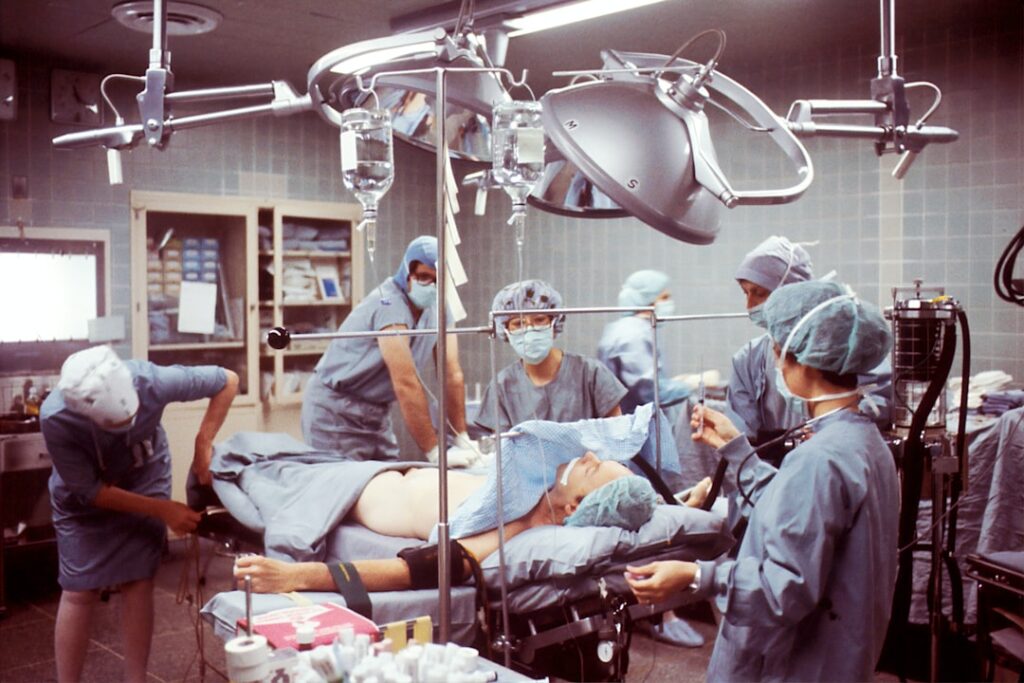
The museum occupies one of Europe’s oldest surgical theatres, tucked beneath a church roof. The space recreates the atmosphere of pre-anesthesia and pre-sterilization operations: tiered seating for observers, antique instruments, posters, and dried herbs in the attic. The visit can be upsetting for the sensitive, but it’s highly informative for anyone fascinated by medical history.
Grant Museum of Zoology
- Address: Grant Museum of Zoology, Rockefeller Building, University College London, 21 University Street, London WC1E 6DE, United Kingdom
- Price: Free entry (donations encouraged)
- Opening hours: Open Tuesday to Saturday, typically 13:00–17:00; closed some days — check UCL’s calendar.
The Grant Museum is a natural history cabinet with an impressive collection of skeletons, preserved specimens, taxidermy, and rare objects. Its academic cabinet atmosphere evokes 19th-century collections. Visitor favourites include rare specimens like seahorses, exotic skulls, and surprising biological assemblies. The scale is intimate: you move between cases filled with objects that spark scientific curiosity.
Local tips: visit the Old Operating Theatre in the morning (it’s close to Borough Market for lunch) and the Grant Museum in the afternoon. The Grant Museum is usually free but may require group bookings; check temporary exhibitions. If historical medicine interests you, explore the specialist medical bookshops near Bloomsbury.
6. Museum of Brands and Cartoon Museum — Popular Archives and Cartoon Art
Two institutions celebrating everyday culture and visual history: the Museum of Brands traces the evolution of packaging and commercial design, while the Cartoon Museum showcases cartoons, comic art, and British illustration.
Museum of Brands
- Address: Museum of Brands, 2 Colville Mews, Notting Hill, London W11 2AR, United Kingdom (location may change; confirm before visiting)
- Price: Around €12.00 for adults, reduced rates available
- Opening hours: Generally open Tuesday to Sunday, 10:00–17:00
The Museum of Brands offers a chronological dive into packaging, advertising, and consumer culture from the 19th century to today. Displayed as a large thematic archive, the museum exhibits boxes, labels, posters, promotional toys, and iconic products. The appeal lies as much in design as in social analysis: how brands shaped habits, identities, and imagination.
Cartoon Museum
- Address: Cartoon Museum, 63 Wells Street, Fitzrovia, London W1A 3AE, United Kingdom (check for relocations or temporary exhibitions)
- Price: Around €9.00 for adults, reduced rates for students/seniors and families
- Opening hours: Open most weekdays, 10:30–17:30; occasionally closed for events
The Cartoon Museum celebrates caricature, comic strips, political satire, and illustration for children. Permanent and temporary exhibitions cover varied themes: political press cartoons, British comic characters, children’s art, and humorous design. It’s an ideal spot for fans of visual history and families seeking an entertaining, educational outing.
Local tips: Museum of Brands and the Cartoon Museum pair well if you’re into visual history and design. Always check addresses and opening times online as these museums sometimes operate from temporary spaces. Both have shops selling prints, books, and signature items — perfect for gifts or keepsakes.

Conclusion: Planning Tips and Practical Advice for a Successful Exploration
London’s quirky museums form an emotional, eclectic map of the city: proof that history, curiosity, and popular art can surface anywhere — in a recreated home, a small surgical theatre, a natural science cabinet, or a fan collection. To get the most from these visits, here are a few practical tips.
First, always check opening hours and accessibility before you go. Many quirky museums have particular schedules: some close several days a week, others operate by reservation or offer guided tours at set times. The opening hours and ticket prices in this guide are indicative; consult official sites for updates and buy tickets in advance when necessary, especially for Dennis Severs’ House and Viktor Wynd Museum, which have limited spots.
Next, think about logistics: group nearby museums to make the most of your day (for example, Sir John Soane’s Museum and the Grant Museum are both in the Bloomsbury/Holborn area), or combine a visit with a local market (Old Operating Theatre and Borough Market). Wear comfortable shoes: many venues are in historic houses with narrow stairs and no lifts.
Respect local rules: many museums restrict photography, require silence (Dennis Severs’ House), or prohibit bulky bags. Be a curious but considerate visitor, especially in house-museums where the atmosphere depends on the delicate magic of the installations.
Finally, give yourself time for serendipity. Quirky museums are best savoured slowly: take notes, study details, and chat with curators when possible — they’re often passionate and love sharing stories. Museum shops are also fantastic sources of inspiration for unusual souvenirs.
In short, London is ideal for cultural explorers keen to step off the usual route. Whether you’re drawn to the bizarre, social history, design, old medicine, or popular art, these museums offer a rich range of personal and immersive experiences. Plan ahead, book if needed, respect the spaces, and above all, be ready to be surprised — the best travel stories often hide in the most unexpected places.