





Introduction — Getting Around London: Guide to the Tube, Red Buses, Bikes & River Boats
London is a sprawling metropolis with a dense, varied transport network: the Underground (the Tube), iconic double-decker buses, river services on the Thames, and a growing web of cycling options. Whether you’re a traveler on a tight schedule, a curious visitor or a resident exploring the city, knowing your transport options is key to saving time, controlling your budget and enjoying authentic moments. This guide gives you a practical, comprehensive overview of the four main ways to get around London — Tube, bus, bike and ferry — with concrete details: addresses, fares in euros, typical hours, practical tips, and immersive descriptions to help you choose what suits your needs and preferences.
The London Underground — the “Tube” — remains the fastest way to cross the city, with 11 lines serving around 270 stations. Buses fill in coverage where the Tube doesn’t reach and deliver a quintessential London experience, especially from the top deck of a double-decker. Cycling, made easier by Santander Cycles docking stations and Cycle Superhighways, is a pleasant option for short trips and riverside rides. Finally, river services (Uber Boat by Thames Clippers and other operators) provide scenic crossings and can sometimes be quicker for east-west journeys.
This guide includes practical information: exact addresses of major stations and piers (for example King’s Cross St Pancras, Waterloo Station, London Bridge, Canary Wharf Pier), price ranges in euros for tickets and passes, typical schedules (including weekend and night variations), plus local tips on safety, rush hours and money-saving hacks — like using an Oyster card or contactless payment to benefit from daily caps. We’ll also recommend how to make the most of certain trips: which pier gives the best view, when to take the Thames for perfect sunset light, or quiet streets to cycle away from traffic.
The sections that follow break down each mode of transport: how to buy tickets, where the main hubs are, approximate costs in euros for single journeys and passes, typical hours and useful anecdotes (for example how the Night Tube operates on weekends, or where to find Santander Cycles near major sights). Addresses are provided to make on-the-ground planning or GPS use easier: you’ll be able to locate, book or simply orient yourself quickly. So get your Oyster or contactless card ready, slip into comfy shoes for transfers and keep a camera at hand — London is a city to discover on the move.
The Tube (London Underground): Speed, Zones & Practical Tips
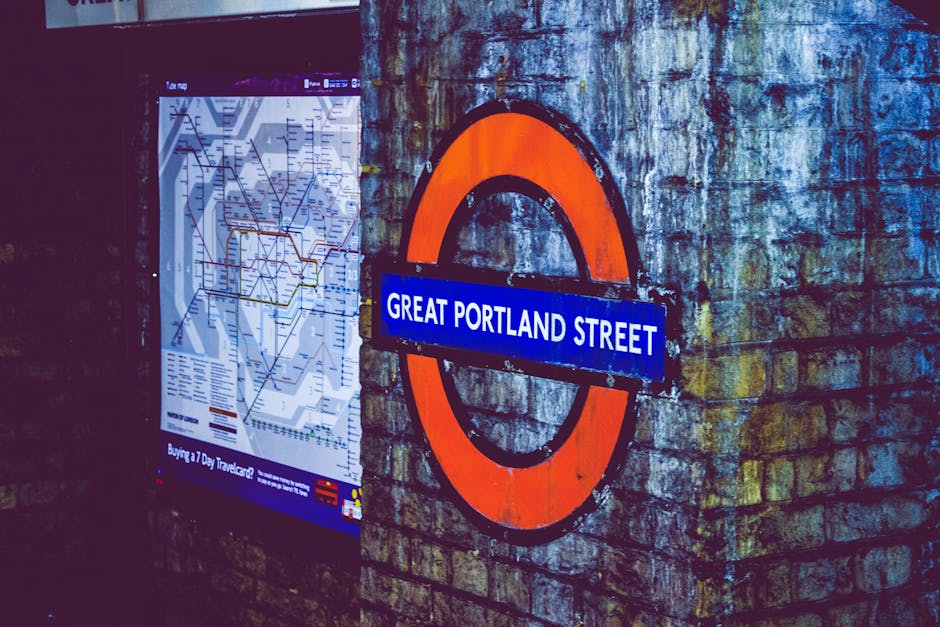
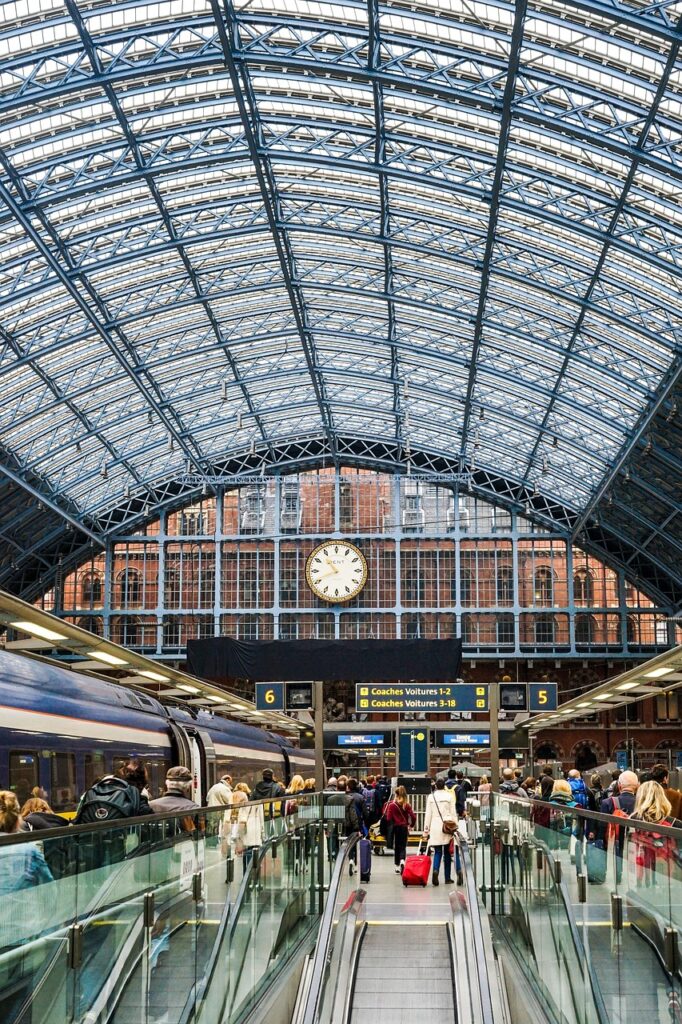
The London Underground, commonly called the “Tube”, is the backbone of fast travel across London. It has 11 lines (Bakerloo, Central, Circle, District, Hammersmith & City, Jubilee, Metropolitan, Northern, Piccadilly, Victoria, Waterloo & City) linking central areas to the suburbs. Major stations: King’s Cross St Pancras (Euston Rd, London N1 9AP), Waterloo Station (Waterloo Rd, London SE1 8SW), London Bridge Station (9-11 St Thomas St, London SE1 9RY), and Liverpool Street Station (1 Liverpool St, London EC2M 7QH). These hubs are key interchange points for national trains and the Eurostar (King’s Cross for domestic trains / St Pancras International for Eurostar).
Fares and payment: the most convenient way to pay is with an Oyster card or contactless payment. A single trip in Zone 1 (central) usually costs around €2.90 (approx., subject to exchange rates) with Oyster/contactless during off-peak times; during peak hours the fare can rise to about €3.50. The daily cap for Zones 1-2 is roughly €9.00 per day — once you hit the cap, you won’t be charged for additional Tube journeys that day. Paper single tickets are pricier: expect about €6.50 for a single Zone 1 paper ticket.
Hours: the Tube generally runs from about 05:00 until midnight on weekdays. In recent years, certain lines operate a Night Tube on Friday and Saturday nights (Central, Victoria, Jubilee, Northern and Piccadilly) with services every 10–15 minutes. Trains are frequent in the morning rush — every 2–5 minutes during peak times (07:00–09:30 and 16:00–19:00) — but allow extra time for occasional strikes or weekend engineering works.
Local tips:
- Save time: avoid changing at Oxford Circus (Oxford St, London W1D 1BS) during peak hours — it’s very crowded; consider alternatives like Tottenham Court Road (Tottenham Ct Rd, London W1T 7NL).
- Luggage: King’s Cross St Pancras has left-luggage facilities (St Pancras International Luggage Storage, Euston Rd, London N1 9AP); expect to pay about €10–15 for 24 hours depending on size.
- Accessibility: many stations lack lifts. If you’re traveling with a stroller or have reduced mobility, check Transport for London (TfL)’s Step-free access page for each station.
Buses: Wide Network, Panoramic Routes & Cheap Fares
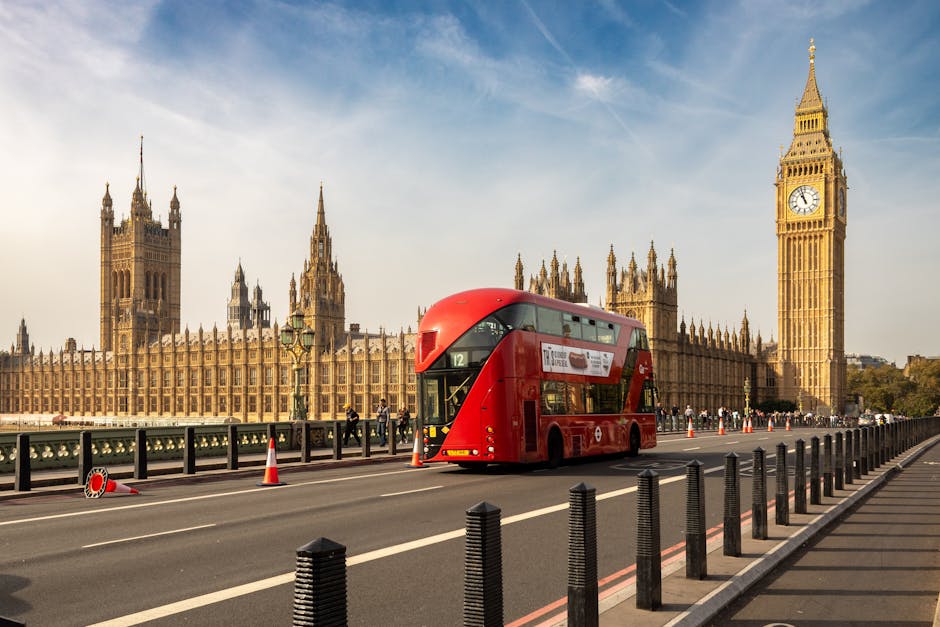
London’s buses complement the Tube with dedicated lanes and serve neighborhoods less well covered by the Underground. The famous red double-deckers aren’t just transport — they’re a scenic way to see the city from street level. Central bus points include Trafalgar Square (Charing Cross, London WC2N 5DS), Victoria Coach Station (164 Buckingham Palace Rd, London SW1W 9TP), and major hubs near Piccadilly Circus (Shaftesbury Ave, London W1D 7DN) or Marble Arch (Park Ln, London W1H 7AB).
Fares and payment: the standard fare with Oyster/contactless for a single bus trip is about €1.75 (flat fare). Thanks to the Hopper fare, you can make unlimited bus transfers within one hour of the first tap without extra charge. A bus ride after midnight costs the same flat rate if paid by contactless/Oyster. Paper single bus tickets are uncommon and usually more expensive. If you expect to take several journeys, consider a Travelcard or pre-loading an Oyster to benefit from the daily cap.
Hours: many routes run 24 hours or have designated night services marked with an “N” before the route number (for example N15). Daytime frequencies on main routes are typically every 7–15 minutes, while suburban lines run less often. For precise planning check the TfL app or the real-time displays at stops. Major stops like Victoria (bus stop A, 164 Buckingham Palace Rd, London SW1W 9TP) show next departures in real time.
Experience and tips:
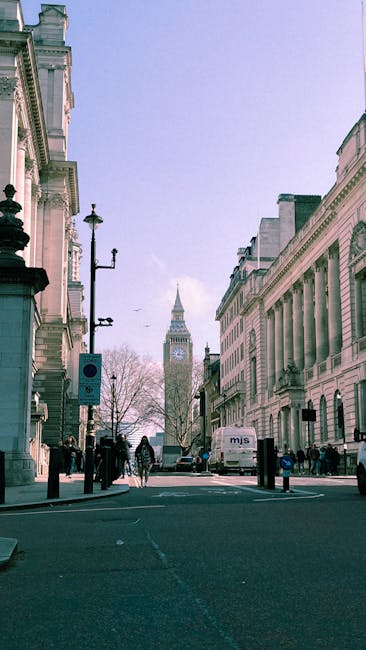
- Best views: sit on the top front deck for unobstructed vistas of Westminster Bridge, the Houses of Parliament and Big Ben. Routes 11, 24 and 148 offer particularly nice tourist perspectives.
- Safety: avoid showing valuables in peak hours; London is generally safe but be vigilant in very touristy spots.
- Planning apps: use Citymapper or Google Maps to find the best bus + Tube combinations; both show live waiting times.
Cycling: Santander Cycles, Lanes & Recommended Routes
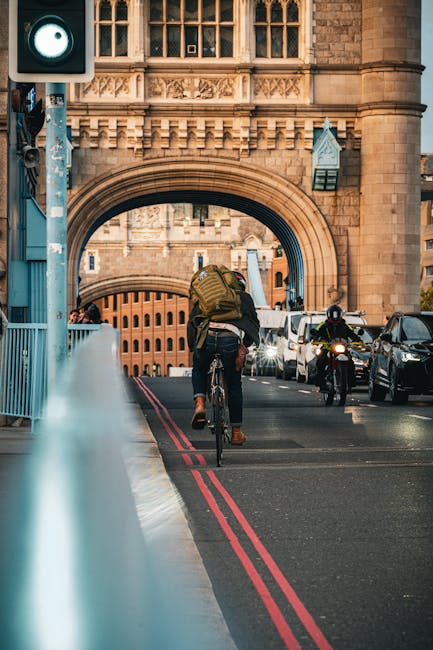
Cycling is on the rise in London, supported by a network of bike lanes, Cycle Superhighways (CS) and self-service hire schemes like Santander Cycles (formerly “Boris Bikes”). Santander docking stations sit in strategic spots: Southbank Centre (Belvedere Rd, London SE1 8XX), Embankment (Embankment Pier area, Victoria Embankment, London WC2N 6PB), Tower Bridge (Tower Bridge Rd, London SE1 2UP), and near Canary Wharf (Isle of Dogs, London E14 5AB).
Prices and how it works: hiring a Santander Cycle costs roughly €2.00 to open a 24-hour access period (Access charge) plus about €2.00 for each additional 30-minute period after the first half hour; short trips are very economical, while long rides can add up. Seasonal memberships exist for continuous use — for example an annual pass is around €90 (indicative). You can pay via the Santander Cycles app or by card at the docking station.
Hours and zones: bikes are available 24/7, subject to availability. Key cycling corridors — CS3 (Cycle Superhighway 3) along the Thames between Barking and Tower Gateway, and CS6 between Elephant & Castle and King’s Cross — are popular with urban cyclists. Routes along the South Bank (Queen’s Walk, Belvedere Rd) are especially scenic, perfect for photographing the London Eye, Tate Modern and Shakespeare’s Globe.
Tips and safety:
- Helmet & lights: helmets aren’t compulsory in the UK but are strongly recommended; carry front and rear lights for evening rides.
- Docking: return bikes properly to Santander docks — penalties apply if a bike isn’t correctly docked (around €50).
- Shared roads: watch for buses and taxis on main roads; stick to protected lanes when available and avoid rush hours where possible.
Ferries & River Services: Scenic Crossings on the Thames
The Thames offers several ways to cross or travel along the river: municipal ferries, private services and the convenient Uber Boat by Thames Clippers. These journeys reveal unique views of London’s waterside façades and can sometimes be faster than land routes for certain east-west links. Main piers: Embankment Pier (Embankment, Victoria Embankment, London WC2N 6NL), Westminster Pier (Victoria Embankment, London SW1A 2JH), London Bridge City Pier (2-4 Lower Thames St, London EC3R 6DX), Tower Millennium Pier (Tower Bridge Rd, London SE1 2JH), Canary Wharf Pier (Canary Wharf, London E14 5NY).
Fares and payment: Uber Boat by Thames Clippers accept Oyster/contactless and single tickets. A typical adult fare between Embankment and Greenwich costs about €6.50 for a single ticket, but paying with Oyster/contactless lowers the price and counts towards the TfL daily cap (expect around €5.50–6.00 depending on route). Local ferries like the Woolwich Ferry (car and passenger service between North Woolwich and Woolwich) are free — a handy and rare zero-cost crossing in east London.
Hours:
- Uber Boat by Thames Clippers: frequent daytime services (every 10–20 minutes on main branches) typically run from about 06:30 to 22:30; exact times vary by pier and at weekends.
- Woolwich Ferry: generally operates 24/7, though maintenance can cause interruptions; check the Royal Borough of Greenwich website for updates.
Experiences and tips:
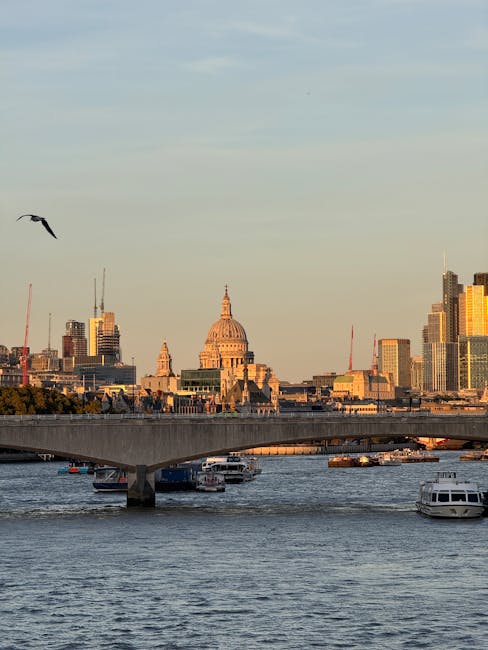
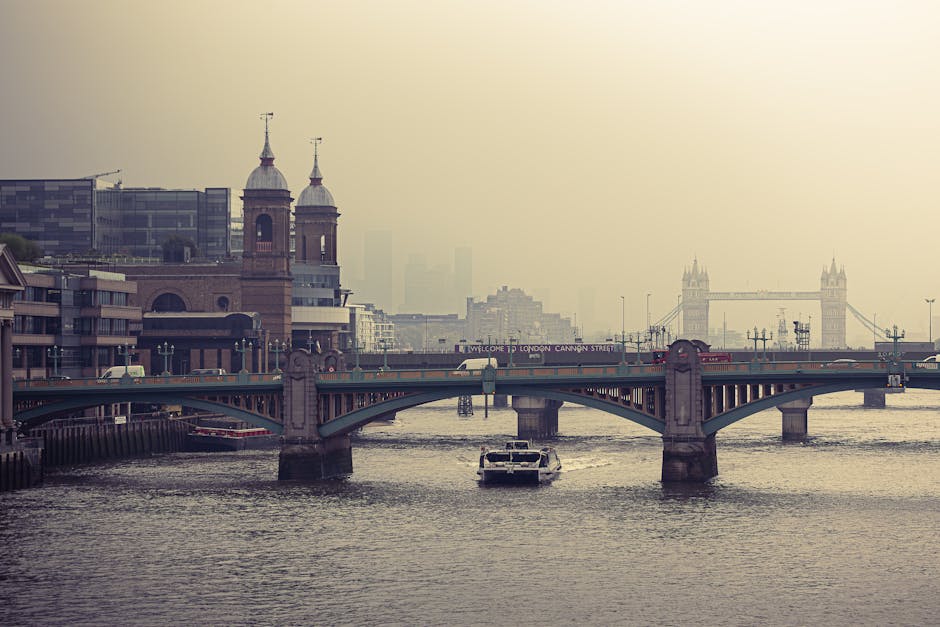
- Best time: sunset from a boat between Westminster Pier and Tower Millennium Pier delivers stunning views of the London Eye, Parliament and the Tower of London.
- Attraction access: get off at Greenwich Pier (Greenwich, London SE10 9HT) for the Cutty Sark (Greenwich, King William Walk, London SE10 9HT — museum, entry around €15) and the Greenwich Market (Greenwich Market, London SE10 9HZ).
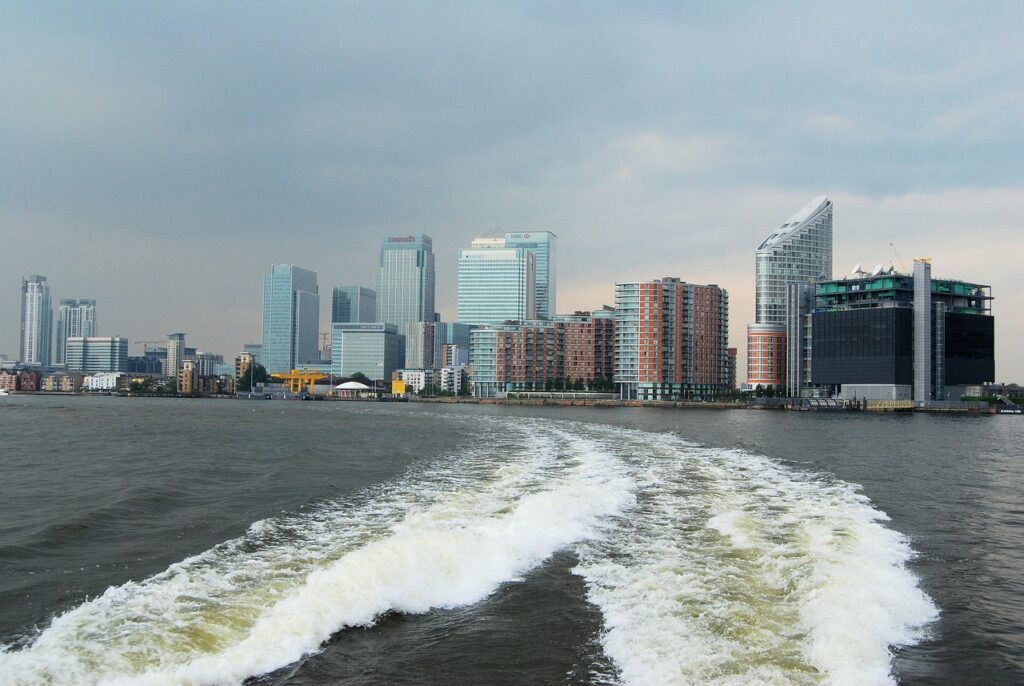
- Practicality: boats are a handy way to reach Canary Wharf (Canary Wharf Pier, London E14 5NY) from central areas without multiple Tube/bus changes in often-congested zones.
Final Local Tips & Smart Combinations
To make the most of getting around, mix modes smartly: use the Tube for longer, faster trips between central areas, buses for scenic or door-to-door links, bikes for short distances and leisure rides, and river services for a scenic experience or when land connections are lengthy. Here are concrete suggestions:
- Classic sightseeing route: take the Tube (Circle/District) to Westminster (Westminster Station, Westminster, London SW1A 2JR) to see Big Ben, then walk to Westminster Pier and catch a boat to Tower Millennium Pier to finish at the Tower of London. Approximate budget: Tube €3.00 + boat €6.00 = €9.00.
- Fast east-west crossing: to save time between Canary Wharf and Embankment, choose Uber Boat by Thames Clippers rather than a longer Tube route; approximate cost €6.00 and often under 25–30 minutes in real time.
- Sunday bike ride: hire a Santander Cycle at Southbank Centre (Belvedere Rd, London SE1 8XX) for a riverside ride to Tower Bridge; the first half hour is usually covered in the €2.00 access charge — perfect for a photo stop.
Practical safety: always keep a photo of your route and local emergency numbers (999 in the UK). Download the TfL, Citymapper and Santander Cycles apps for real-time info. Finally, time your trips to avoid peak hours when possible: London moves fast in the mornings and late afternoons; shifting visits outside those peaks will make travel more comfortable and quicker.
Conclusion — Travel Smart in London
London offers a full palette of transport modes which, when combined cleverly, let you move efficiently, discover unique panoramas and experience the city from many angles. The Tube remains the backbone for speed, buses add a panoramic and economical layer, cycling provides freedom and proximity, and river services turn a simple transfer into a memorable Thames experience. The right choice depends on your route, available time, budget and the vibe you want — raw speed, sightseeing perspective or a relaxed ride.
Before you go, get an Oyster card or enable contactless payment on your bank card to benefit from daily caps and cut costs. Always check timetables and engineering notices on the Transport for London (TfL) site, and download useful apps (TfL, Citymapper, Santander Cycles, Uber Boat by Thames Clippers) for up-to-the-minute info. For visitors: note the key addresses mentioned in this guide (King’s Cross St Pancras — Euston Rd, London N1 9AP ; Waterloo Station — Waterloo Rd, London SE1 8SW ; Embankment Pier — Victoria Embankment, London WC2N 6NL ; Canary Wharf Pier — Canary Wharf, London E14 5NY) to help you find your bearings quickly.
Don’t hesitate to mix modes: a Tube + boat combo can turn an ordinary day into a memorable experience. London is best enjoyed on the move: open your eyes, let the Thames light guide you, hop upstairs on a bus to feel the wind and cycle carefully to explore streets the Tube skips. Safe travels — and savor every journey as a new window onto the British capital.