





Introduction: Why Visit London’s Free Museums
London is one of the world’s richest cultural capitals, and a pleasant surprise for many first-time visitors is that many of its headline museums offer free admission to their permanent collections. That means even on a tight budget you can walk through millennia of history, admire painting masters, explore the wonders of science and nature, and learn about Britain’s maritime and military past—often without paying a penny for basic entry. In this guide we break down the must-see free museums in detail, including exact addresses, typical opening hours, practical pricing information in euros (including paid temporary exhibitions), immersive descriptions of what you’ll see, and local tips to make the most of your visit.
Free entry usually applies to permanent collections; however, many institutions charge for temporary exhibitions or suggest paid tickets/donations to support their work. Where relevant we’ll give price ranges in euros for those exhibitions so you can budget. London attracts millions of visitors each year: some museums offer bookable time slots, late openings, audio guides and family activities. We’ll also cover practical tips—how to avoid queues, cloakroom use, where to eat on site, how to reach each museum by Tube or bus, and which areas are pram- and wheelchair-friendly.
This guide is aimed at first-time visitors: it prioritises clarity, an immersive experience and practical orientation. Each section focuses on a major museum or museum group, with precise descriptions of standout rooms and works, exact addresses, usual opening times, the price in euros for permanent access (often €0) and approximate costs for temporary shows. Finally, we include local tips—the best times to visit, cafés and shops on site, and suggested combined itineraries to get the most out of a cultural day in London.
The British Museum — Antiquities from Around the World
Full name: The British Museum
Address: Great Russell Street, Bloomsbury, London WC1B 3DG, United Kingdom
Price: Permanent collections free — general admission: €0. Temporary exhibitions: typically between €12 and €25 (depending on the show).
Opening hours: Usually open Sunday–Wednesday 10:00–17:00, Thursday & Friday 10:00–20:30, Saturday 10:00–17:00 (hours may change; booking recommended).
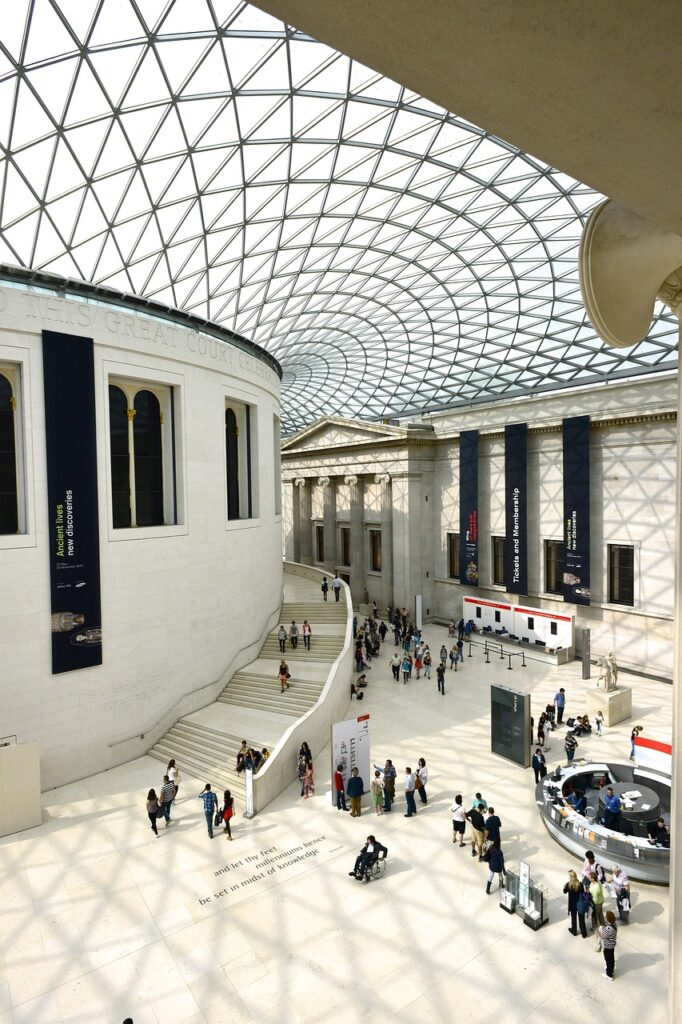
The British Museum is one of the world’s most famous encyclopedic museums. Its main hall, the Norman Foster-designed Great Court, houses the striking central Reading Room beneath a glass dome that fills the space with soft light. Don’t miss the Rosetta Stone, which unlocked Egyptian hieroglyphs; the Parthenon Sculptures; and the Assyrian treasures in the Middle East galleries. The museum’s chronological and geographic layout lets you travel through civilizations: Egypt, ancient Greece, Rome, South Asia and the Americas.
Practical tips: arrive early to avoid school groups and guided tours; reserving an entry time online will secure access to the main galleries. The museum has a left-luggage facility (fee applies for large items), a café in the Great Court and a shop with reproductions and specialist books. For a deeper experience, book a themed guided tour (often paid). Popular temporary exhibitions may require timed tickets, and the euro prices listed vary depending on the event.

National Gallery — Masterpieces of Western Painting
Full name: The National Gallery
Address: Trafalgar Square, London WC2N 5DN, United Kingdom
Price: Permanent collections free — general admission: €0. Temporary exhibitions: typically €10–€20.
Opening hours: Usually open daily 10:00–18:00, with late openings on Fridays until 21:00 (check before you go).
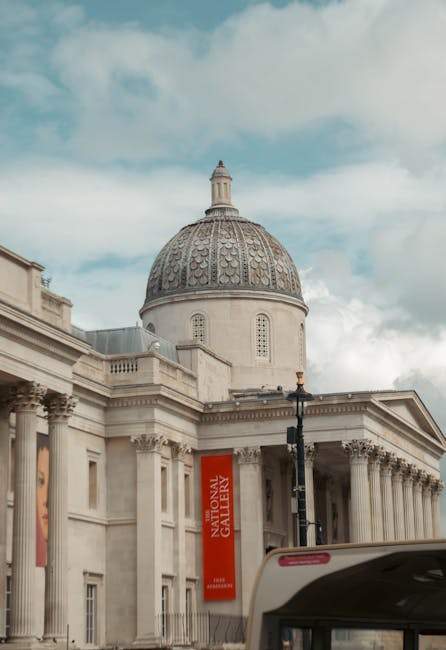
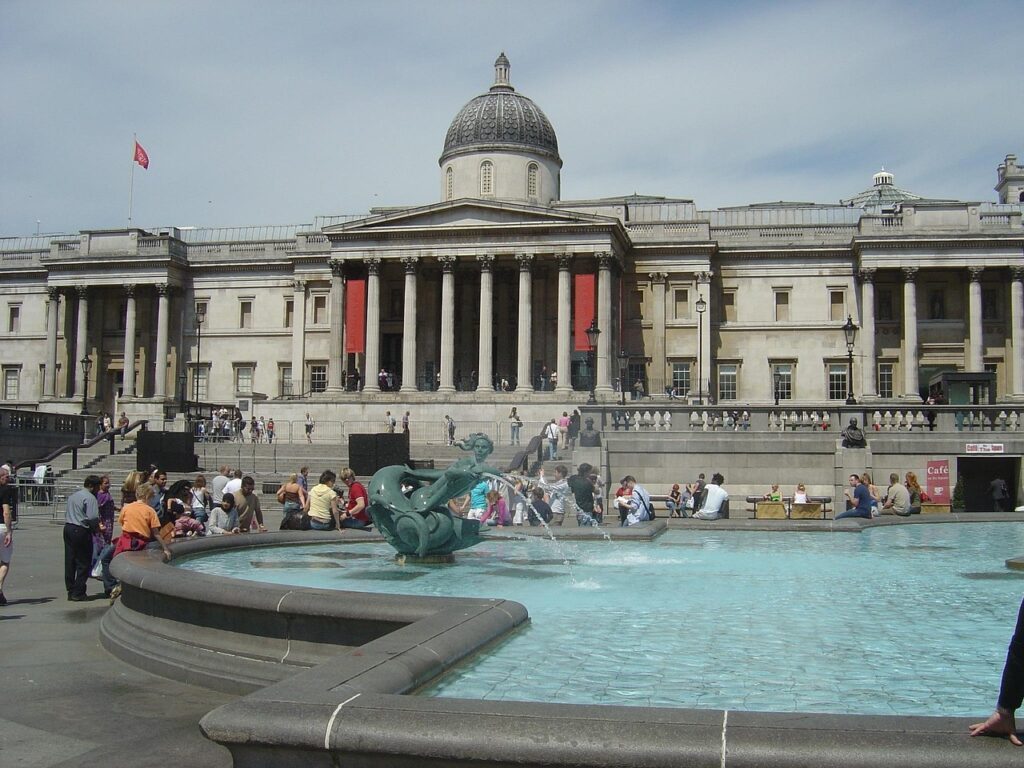
Located on iconic Trafalgar Square, the National Gallery houses over 2,300 European paintings from the 13th to the 19th centuries. Galleries are organised by school and period: Italian (Botticelli, Leonardo da Vinci), Dutch and Flemish (Rembrandt, Vermeer), Spanish (Velázquez), French (Monet, Renoir) and British. Highlights include Raphael’s Madonna of the Pinks, Van Gogh’s Sunflowers (when on display), and Turner’s dramatic works. The clear layout and signage make themed routes—Renaissance, Baroque, Impressionism—easy to follow.
Local tips: take advantage of free audio guides or download the gallery’s app for self-guided tours. A floor plan is available at the entrance—pick one or two sections if you only have a half-day. The ground-floor café has pleasant views over Trafalgar Square. To avoid crowds, visit early on a weekday and save Friday night for a quieter experience during the late opening. If you want a guided tour, book a paid tour through the gallery’s official site.
Tate Modern and Tate Britain — Modern Art and British Art
Full name: Tate Modern (and) Tate Britain
Tate Modern address: Bankside, London SE1 9TG, United Kingdom
Tate Britain address: Millbank, London SW1P 4RG, United Kingdom
Price: Permanent collections free — general admission: €0 at both sites. Temporary exhibitions: typically €12–€22.
Opening hours: Tate Modern: generally 10:00–18:00, with late openings some days until 22:00; Tate Britain: generally 10:00–18:00 (check before your visit).
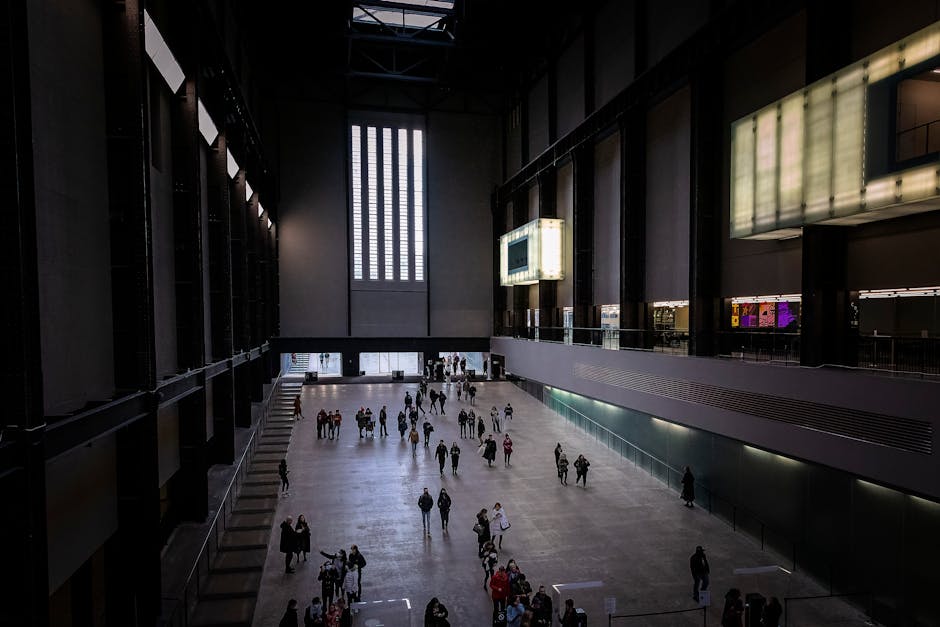
Tate Modern, housed in the former Bankside power station, is the temple of modern and contemporary art—from Picasso to Rothko and large-scale multimedia installations. The Turbine Hall is a colossal space frequently used for monumental temporary commissions. Wander the themed galleries (Surrealism, Abstract, Pop Art) and head to the top-floor viewing platform for impressive views over the Thames and St Paul’s Cathedral.
Tate Britain, across the river, focuses on British art from the 16th century to today: Turner, Constable and the Pre-Raphaelites, as well as contemporary British artists. The walk along Millbank to the museum is pleasant and often less crowded than Tate Modern.
Practical tips: for a smooth cultural route, pair Tate Modern in the morning with a riverside walk along the South Bank to the London Eye or Shakespeare’s Globe. Take a riverboat from Bankside for a scenic hop to Embankment if you prefer to avoid more walking. Both museums have shops and cafés; the Tate Modern’s panoramic café is a great spot for a break. Book ahead for high-demand exhibitions and visit early or late in the day to enjoy large galleries with fewer visitors.
Natural History Museum, Victoria and Albert Museum and Science Museum — The South Kensington Trio
Full names: Natural History Museum, Victoria and Albert Museum (V&A), Science Museum
Addresses:
– Natural History Museum: Cromwell Road, South Kensington, London SW7 5BD, United Kingdom
– Victoria and Albert Museum: Cromwell Road, South Kensington, London SW7 2RL, United Kingdom
– Science Museum: Exhibition Road, South Kensington, London SW7 2DD, United Kingdom
Price: Permanent collections free at all three museums — general admission: €0. Major attractions or special events (IMAX, temporary exhibitions) typically cost €10–€30 depending on the event.
Opening hours: Generally 10:00–17:30 (Natural History & V&A) and Science Museum 10:00–18:00, but hours can vary for late openings and special events.
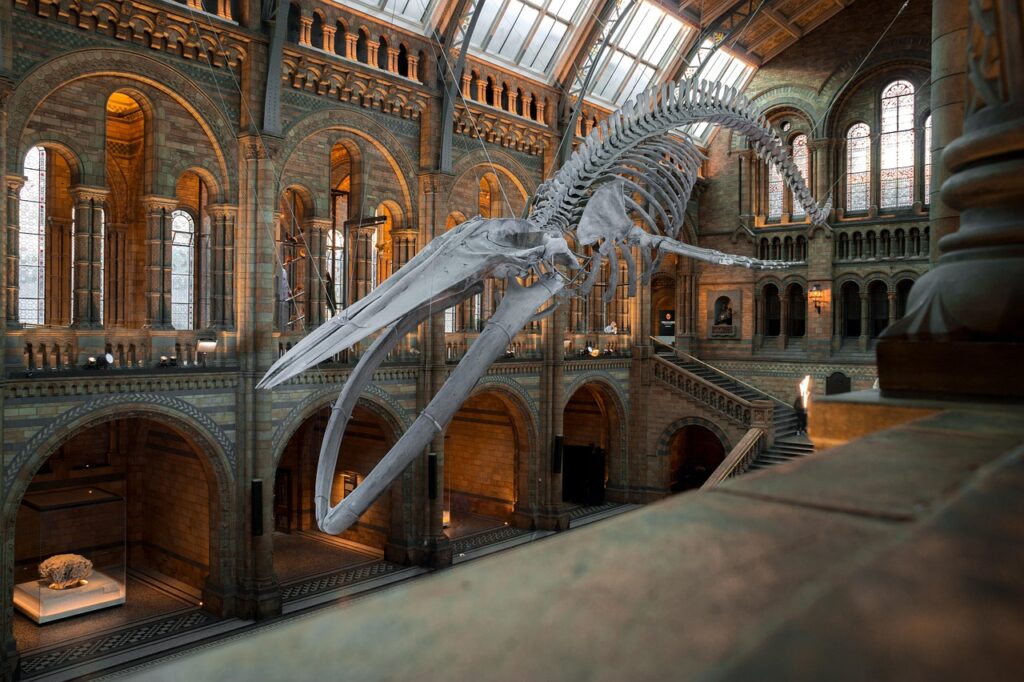
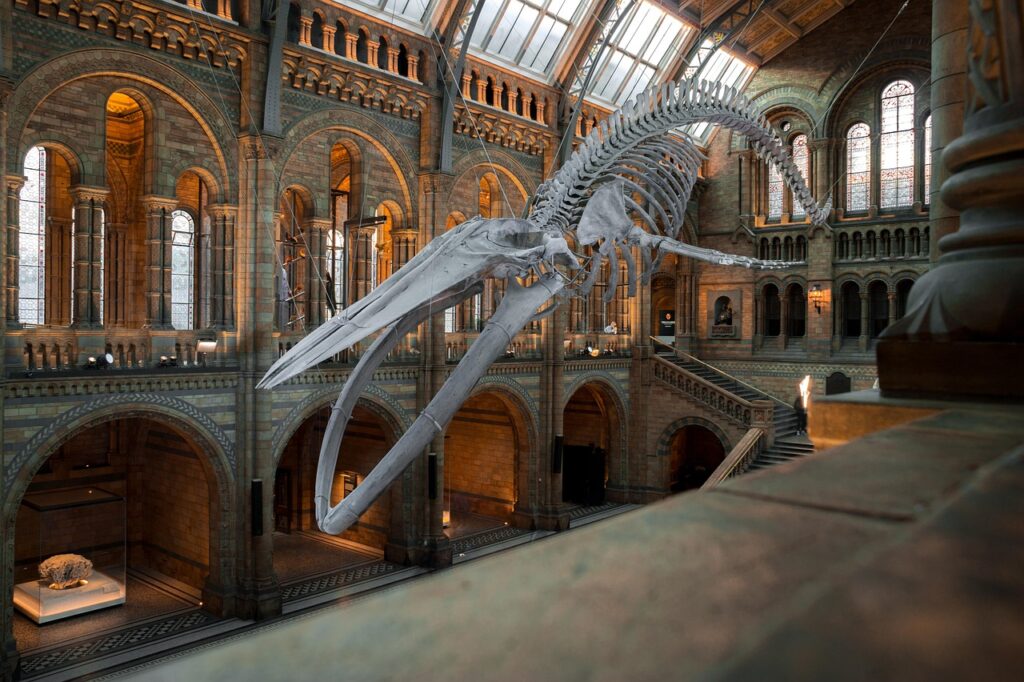
The South Kensington museum cluster is perfect for a concentrated cultural day. The Natural History Museum is famous for its grand central hall with a dinosaur skeleton (new or reinstalled exhibits vary) and galleries covering minerals, dinosaurs, wildlife and botanical displays. Interactive exhibits for children make it a family favourite.
The V&A, the museum of decorative arts and design, showcases outstanding collections: historic fashion, furniture, ceramics, Asian art and tapestries. Its galleries are rich in detail and a source of inspiration for architecture and design fans.
The Science Museum offers immersive experiences for all ages: steam locomotives, space galleries, exhibitions on energy, medicine and future technologies. Interactive galleries and live demonstrations make it a hands-on experience that families particularly enjoy.
Practical tips: start early and, if possible, spread visits over two days; South Kensington station (Circle, District, Piccadilly lines) serves the area. Museums have quality cafés and there are nearby picnic spots (Hyde Park is close). In high season, book timed slots for paid exhibitions and consider combo tickets for attractions like the Science Museum IMAX. If you’re after museum shopping, the V&A shop sells distinctive design objects.
Museums in Greenwich and the City — Maritime, Roman London and Military History
Main museums: National Maritime Museum, Museum of London, Imperial War Museum, Wallace Collection
Addresses:
– National Maritime Museum: Romney Road, Greenwich, London SE10 9NF, United Kingdom
– Museum of London: 150 London Wall, Barbican, London EC2Y 5HN, United Kingdom
– Imperial War Museum (IWM London): Lambeth Road, London SE1 6HZ, United Kingdom
– Wallace Collection: Hertford House, Manchester Square, London W1U 3BN, United Kingdom
Price: Permanent collections free — general admission: €0. Temporary exhibitions: variable, typically €8–€20.
Opening hours: Usually 10:00–17:00 or 10:00–18:00 depending on the museum; check official sites for exact opening times and late openings.
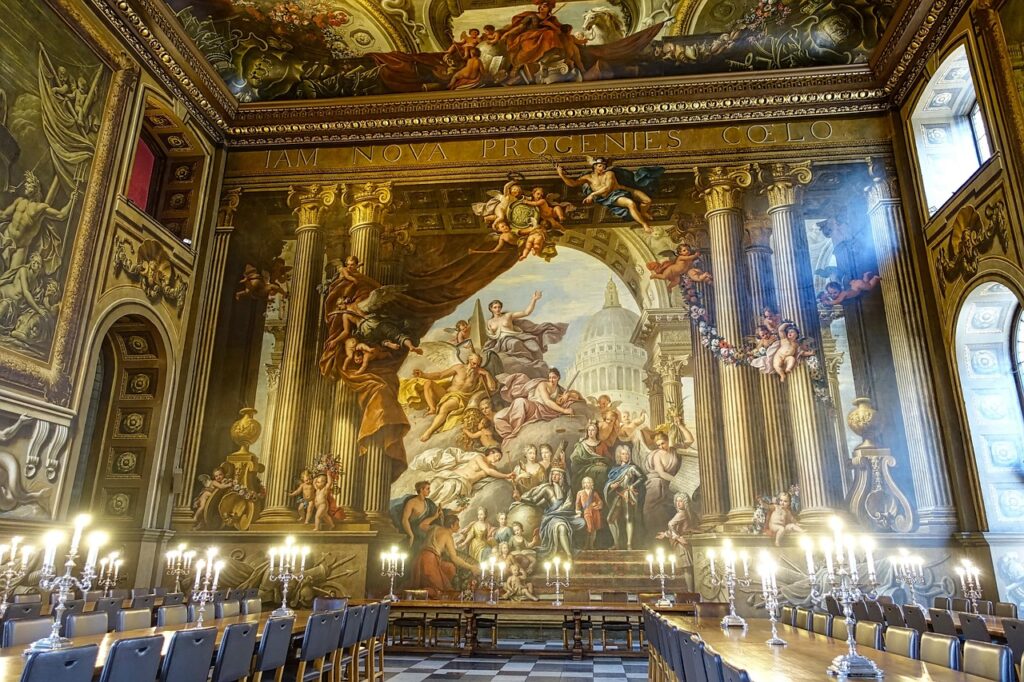
The National Maritime Museum, in royal Greenwich, tells Britain’s maritime story: maps, navigational instruments, ship models and items linked to the seafaring empire. Nearby the Old Royal Observatory and the Cutty Sark complete the visit (Cutty Sark’s interior visit may be ticketed, around €12–€20).
The Museum of London traces the city’s history from Roman times to the modern metropolis. You’ll see archaeological finds, scale models, street reconstructions and themed displays on urban life—an excellent primer before exploring the City and the Tower of London (tower entry is paid).
The Imperial War Museum documents 20th-century conflicts and their social impact: aircraft, tanks and WWII displays. Expect an immersive and often emotional visit.
The Wallace Collection, housed in the elegant Hertford House, presents an exceptional private collection of decorative arts, paintings and armour — ideal for lovers of historic interiors and fine metalwork. Entry is free and the setting is more intimate than the national museums.
Practical tips: Greenwich is reachable by DLR and scenic riverboats from Embankment or Canary Wharf—perfect for a Thames crossing. Allow half a day in Greenwich if you plan to combine several sites. In the City, the Museum of London is a great stop before walking to Borough Market or the Tower of London. Check for temporary exhibitions that need a paid ticket and plan where to eat—museum cafés and local restaurants offer solid options without leaving the area.
Practical Tips to Make the Most of Your Visits
Before you travel, check museums’ official websites to reserve free time slots or buy tickets for paid exhibitions. Here are practical recommendations to get the most from London’s free museums:
- Plan by theme: if you love natural history, pair the Natural History Museum + Science Museum; for painting, National Gallery + Tate Britain is an excellent combo.
- Best times: arrive at opening or late afternoon (off-peak hours); avoid weekends and school holidays when possible.
- Transport: use an Oyster card or contactless payment for the Tube and buses; riverboats on the Thames are a scenic option for Greenwich and Bankside.
- Baggage & security: most museums allow backpacks, but large luggage may be refused or directed to a paid cloakroom. Bulky items risk being stored.
- Food & drink: favour museum cafés to save time; many offer quality menus. For outdoor breaks, note nearby parks (Hyde Park, St James’s Park) close to several museums.
- Accessibility: most national museums are wheelchair-accessible and provide lifts, adapted toilets and wheelchairs to borrow (by booking).
- Budget for extras: even with free entry, budget roughly €10–€30 per museum for paid exhibitions, cafés, shops and voluntary donations.
- Audio guides & guided tours: available in multiple languages; some are free via apps, others cost around €5–€10.

Conclusion: Making the Most of London’s Free Museums
London’s free museums offer an extraordinary cultural resource, letting visitors of all budgets access world-class collections. This guide covered the essentials—the British Museum, National Gallery, Tate Modern, the South Kensington institutions, and specialised sites like the National Maritime Museum, Museum of London, Imperial War Museum and Wallace Collection—complete with addresses, typical hours and pricing info in euros. By planning days around themes, booking ahead for temporary shows and choosing quieter time slots, you’ll optimise your experience and avoid long queues.
Remember that while permanent collections are free, special exhibitions, family activities, IMAX films and add-on attractions may charge. Set aside a modest extra budget (often €10–€25 per exhibition) if you want to see a major temporary exhibition or attend a special event. Make use of museum services—audio guides, guided tours, cafés and shops—to enrich your visit. London is a walking city; link museum visits to riverside strolls, walks through royal parks or tours of historic neighbourhoods for a fuller, memorable immersion.
Whether you’re into art, history or science, or travelling with family, London’s free museums provide endless experiences. Bring a map, comfortable shoes and a healthy curiosity—Britain’s capital awaits with treasures open to everyone. Enjoy your cultural trip to London!