





Introduction — Hidden Richmond: parks, riverside villages and quiet local gems
Richmond upon Thames often gets boiled down to its rail links into central London and the bustle along the Thames, but the real charm of Richmond appears when you step off the usual tourist routes. This is a practical, detailed guide to discovering a quieter Richmond — wide green spaces, peaceful riverside villages, secret gardens and historic pubs where locals still gather over a pint. Inside you’ll find walking routes, exact addresses, opening hours and ticket prices in euros, plus local tips on how to make the most of each spot — whether you’re chasing the calm of a dawn clearing, the spectacular bloom of protected plantings, or a lunchtime made from local produce served in a greenhouse-restaurant.
The places covered here are reachable by public transport from central London, but you’ll also find spots that are easiest to access by bike or car. Expect landscapes where nature reasserts itself — Richmond Park with its free-roaming deer, intimate gardens like Isabella Plantation, grand historic houses with vast grounds such as Ham House & Garden, and well-preserved riverside villages including Petersham and Ham. For each place I give the full address, typical opening times and prices in euros where applicable — practical details to plan your day without surprises.
Finally, I share local know-how: best times to avoid crowds, which trails to favor, where to park or how to use public transport, and what to pack (waterproof shoes, binoculars, a sketchbook). There are also food recommendations linked to locations, with exact addresses, price ranges and atmospheres so a stroll becomes a full sensory experience. If you want to extend your visit, this itinerary helps combine nature, heritage and good food off the beaten path and return to London with a view of Richmond that few visitors get to see.
Richmond Park and Isabella Plantation — fresh air and hidden clearings
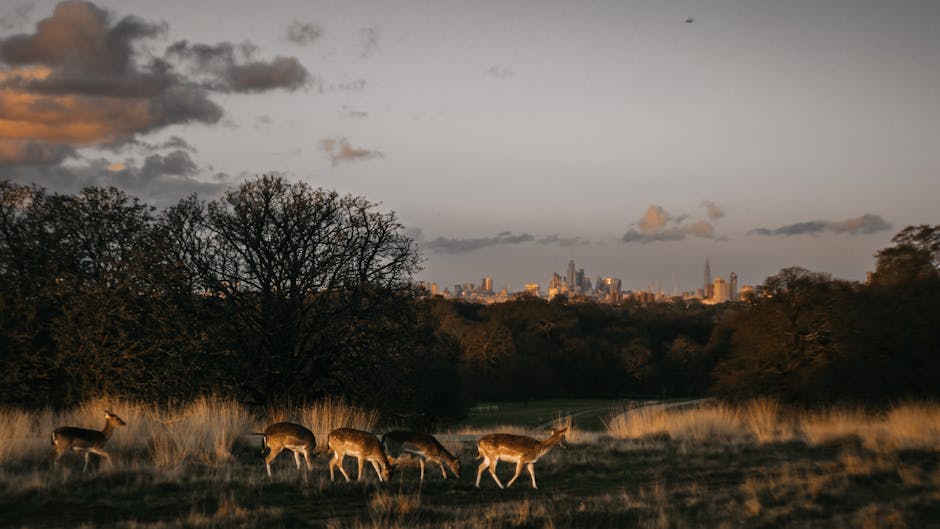
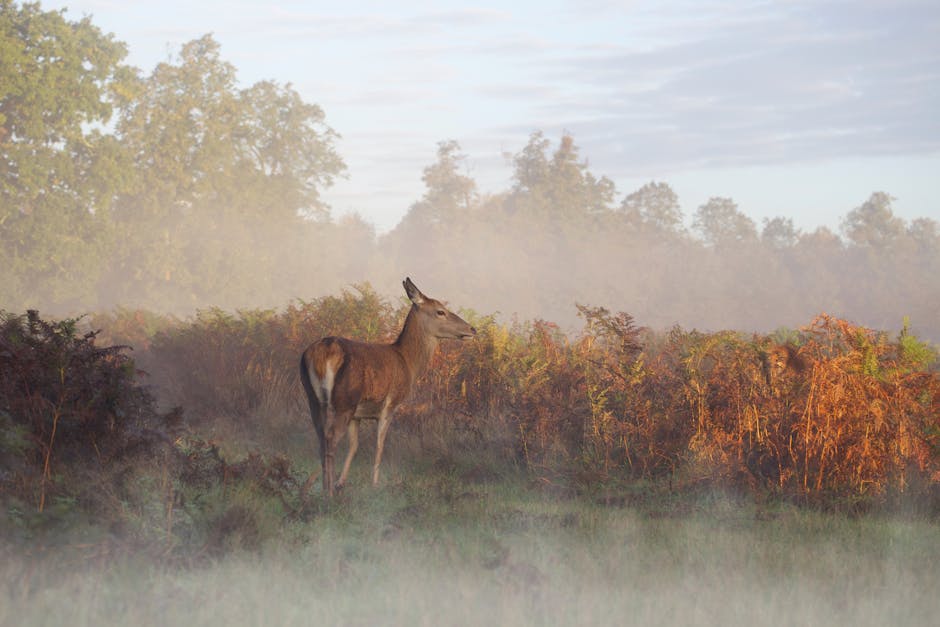
Richmond Park is one of London’s largest royal parks and a natural sanctuary often underrated for the variety of its landscapes. Address: Richmond Park, Richmond, TW10 5HS. Access: free entry, open from sunrise to sunset (times vary by season; roughly 05:30–21:30 in summer, 07:30–16:30 in winter). Price: entry is free; parking in some park car parks runs about €4–6 per hour or €10–15 for the day, depending on the location. The park covers around 2,500 acres of heathland, woods and ponds, and is famous for its free-roaming deer that can come quite close to visitors in spring.
Start early at Pembroke Lodge (Pembroke Lodge, Richmond Park, Richmond TW10 5HX) where the terrace offers sweeping views over the Thames and Richmond Hill. Pembroke Lodge is a historic house with a popular café-restaurant: exact address Pembroke Lodge, Richmond Park, Richmond TW10 5HX. Café hours: generally 10:00–17:00; seasonal closures possible; a tea and pastry will typically cost around €6–10 per person. After coffee, head to Isabella Plantation, an acid-loving plant collection carefully maintained in the heart of the park. Isabella Plantation (Isabella Plantation, Richmond Park, TW10) is usually open roughly 10:00–16:00 in the low season and 10:00–17:00 in high season; admission is free.
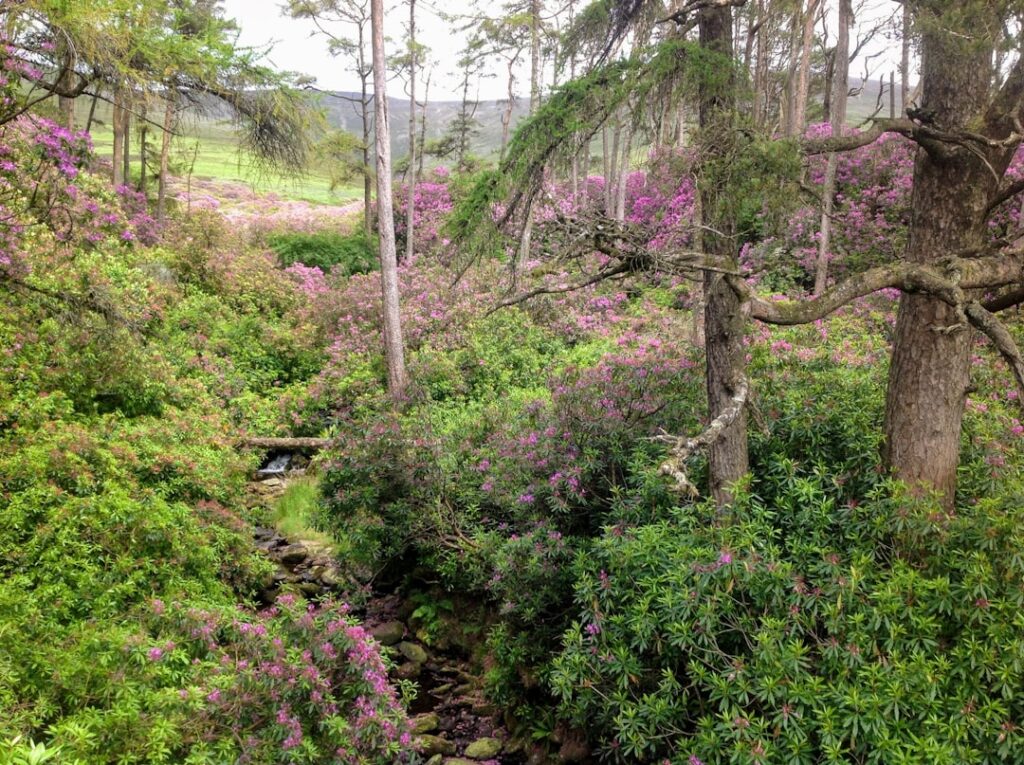
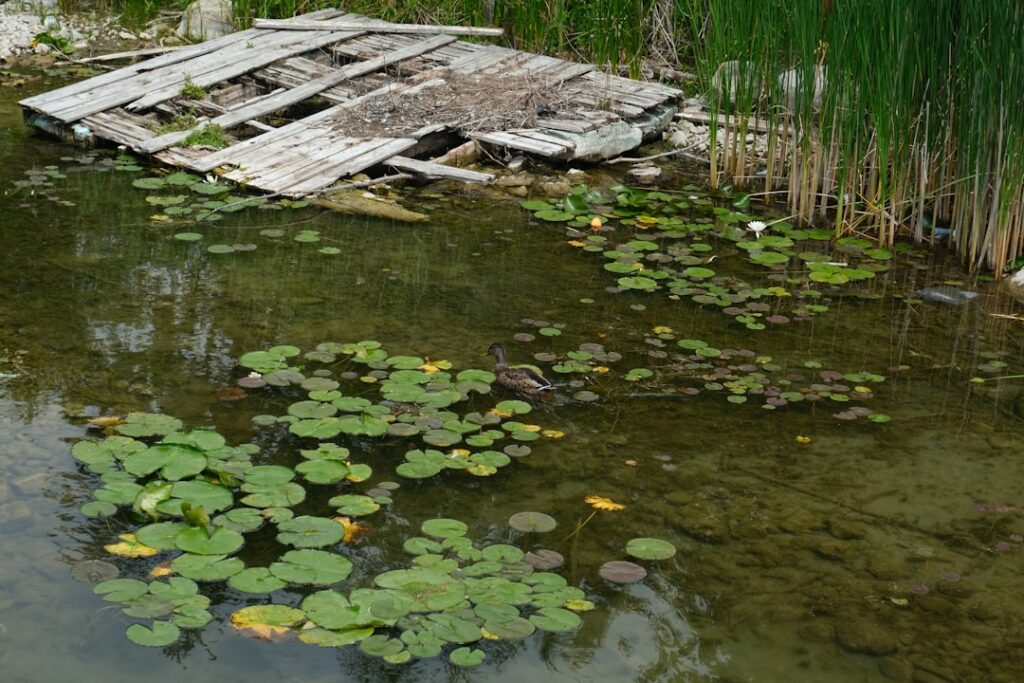
Isabella Plantation is an immersive experience: shaded paths, ponds, wooden bridges and a spectacular palette of blooms in spring and autumn, especially azaleas and rhododendrons. For maximum tranquillity avoid weekends and afternoons; aim for weekdays or dawn. The trails are well signed but get muddy after rain: good footwear and a windproof are recommended. Photographers and birdwatchers should bring binoculars and a long lens — the soft morning light makes the scenes especially photogenic.
Ham House & Garden and the village of Ham — baroque charm and peaceful riverbanks
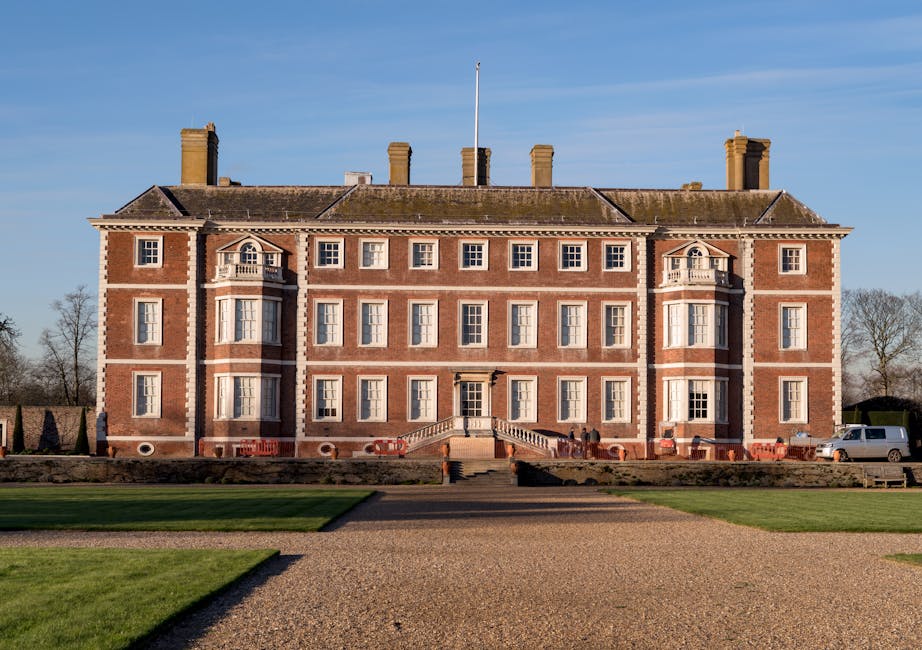
Just minutes by bus or bike from Richmond, Ham House & Garden is a fine example of a Stuart-period house, set within grounds that run down to the Thames. Address: Ham House & Garden, Ham Street, Richmond, TW10 7RS. Opening times: usually open 11:00–17:00, closed some Mondays; it’s best to check before you travel. Admission: about €12–15 per adult (varies; concessions around €8–10). The house retains sumptuous interiors — wood panelling, tapestries and period furniture — while the gardens feature formal layouts, beds and pathways perfect for strolling.
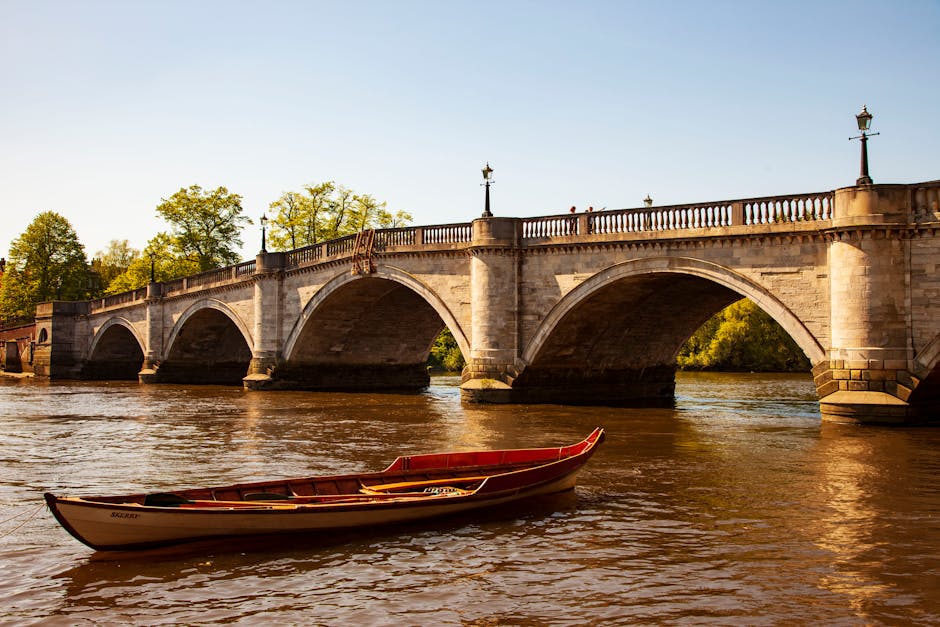
After your visit, wander down into the village of Ham, a riverside neighbourhood that still feels village-like within London. Walk along Thames Ditton Road towards Ham Parade, pausing to watch narrowboats and old pleasure wharves. For lunch, look out for a local riverside pub — village pubs usually serve main courses from roughly €12–20. Exact pub names can change, so treat the riverside as your guide and step into whichever spot has the right atmosphere.
Local tip: hire a bike from Richmond Cycle Hub (The Quadrant, Richmond TW9 1DN — opening hours 09:00–17:00) for a 20–40 minute ride along the river towards Ham. The route offers several pull-off points, secluded benches and viewpoints to admire the Thames at mid-tide. If you have time, take the little Ham Street up to Ham House and continue on to Petersham, a more pastoral village known for its food spots in a leafy setting.
Petersham and Petersham Nurseries — garden, art and rustic dining
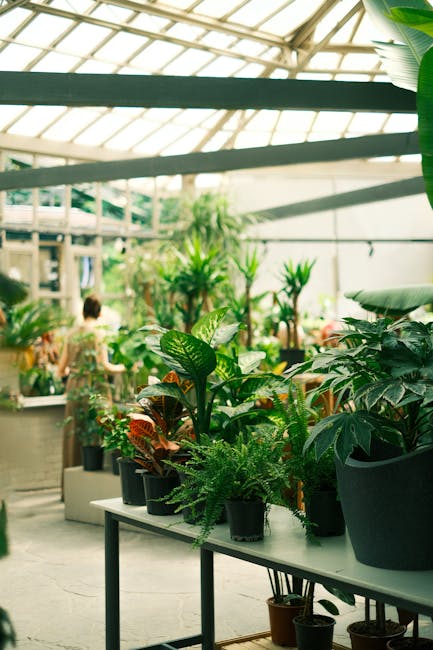
Petersham is a discreet riverside village best known for Petersham Nurseries, a greenhouse-restaurant and plant nursery that blends aesthetic charm with seasonal cooking. Address: Petersham Nurseries, Petersham, Richmond TW10 6UT (check entry and parking onsite). Hours: the nursery and café typically open 10:00–17:00; the restaurant often serves lunch and dinner by reservation, roughly 12:00–14:30 and 18:30–21:00. Prices: à la carte dishes around €18–45; tasting menus at a higher price (reservation recommended). It’s a perfect spot for lunch in a glasshouse surrounded by plants, with cuisine focusing on seasonal British ingredients and Italian-influenced touches.
The walk from Ham to Petersham follows shaded tracks with Thames viewpoints. Take time to browse small craft shops and local galleries. To enjoy the full countryside dining experience, book ahead for Petersham Nurseries — tables on the terrace or under the glasshouse fill up fast at weekends. If you’re photographing the place, late afternoon light filtering through the glass creates an intimate atmosphere.
Practical tips: parking is limited and sometimes charged (allow €3–10 depending on length of stay). Public transport is often more convenient: buses 65 and 371 link Richmond to Petersham. Garden lovers should time visits with seasonal blooms — spring and early summer offer the best floral displays. This area is also ideal for finishing the day with a riverside walk at sunset.
Local walks and hidden villages — footpaths, cafés and scenic spots
Richmond has a network of easy walks you can stitch together for a half-day or a full day: the Richmond Hill–Pembroke Lodge–Isabella Plantation loop, the riverside route to Petersham, and trails around Ham. One suggested route: start at Richmond Station (Richmond Station, The Quadrant, Richmond TW9 1BP), climb Richmond Hill for the famous view, drop down to Pembroke Lodge for coffee, enter Richmond Park and cross Isabella Plantation to reach Ham House. Total distance varies from 8–12 km depending on detours.
For every walk wear suitable shoes and carry water; public toilets are available at Richmond Station, Pembroke Lodge and Ham House subject to opening hours. Local maps can be picked up at the Richmond Visitor Centre (address: check locally) and hiking apps (Ordnance Survey, Komoot) provide reliable routes. In bad weather, favour cafés and glasshouses as shelters: Pembroke Lodge Café, Petersham Nurseries and riverside pubs all offer cosy indoor spaces to warm up.
Local tip: to avoid crowds on Richmond Hill and along the Thames, schedule visits on weekday mornings or late afternoons. Photographers will love the golden hour over the Thames from Richmond Hill and the sunsets visible from the heights of Richmond Park. For authentic local contact, visit markets (check dates) and historic pubs — conversations there often reveal lesser-known paths and spots.
Conclusion — enjoying Hidden Richmond sustainably
Hidden Richmond reveals itself when you take your time: mix open-air walks, heritage visits and tasty pauses in spots where nature and architecture enhance each other. This guide is meant to give you a practical mental map: exact addresses (Pembroke Lodge, Richmond Park TW10 5HX; Ham House & Garden, Ham Street, Richmond TW10 7RS; Petersham Nurseries, Petersham TW10), typical opening times and price ranges in euros so you can plan your day without surprises. The best seasons are spring for blossoms, summer for long evenings, and autumn for fiery leaf colours.
Final tips: follow local rules (don’t feed the deer, stay on marked paths), carry coins or a contactless payment method for small purchases, and favour public transport or cycling where possible to reduce your environmental impact. To extend your trip, combine these visits with Kew Gardens (Royal Botanic Gardens, Kew, Richmond TW9 3AE) or a Thames crossing by ferry to vary your perspective.
Richmond isn’t just a gateway to London; it’s a destination in its own right where quiet villages and grand royal parks offer a rare breath of fresh air close to a bustling capital. Take the time to listen to the landscape, talk to locals and find your own favourite corners — it’s often the detours and the tucked-away cafés that make the most lasting memories.