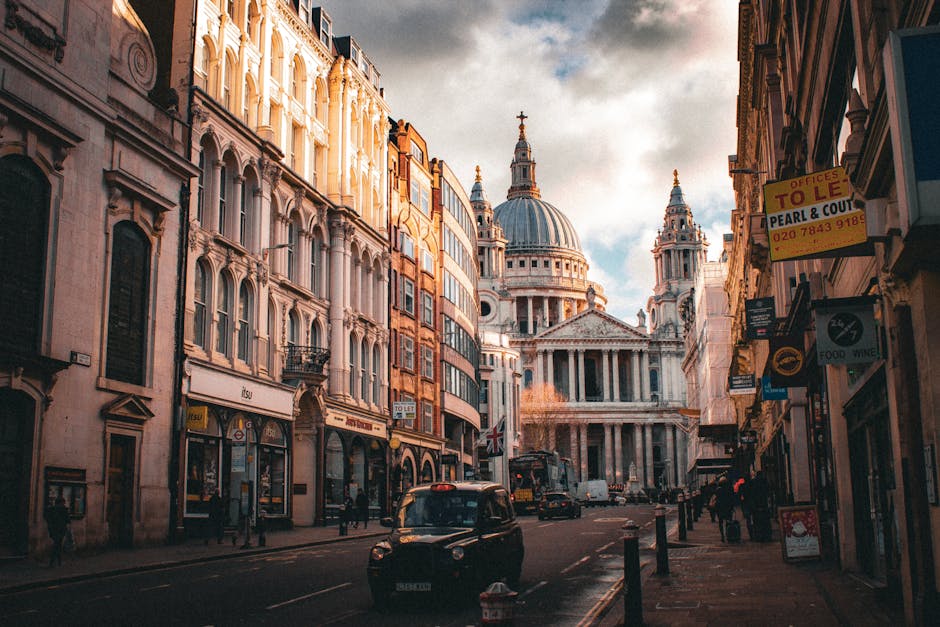






Introduction — Getting your bearings on London’s bus network
Riding the bus in London is both practical and iconic: the red double-deckers are part of the city’s visual heritage and often offer unbeatable views of the sights. Still, to newcomers, decoding route numbers, stops and payment methods can feel confusing. This detailed guide, written for visitors and recent arrivals, explains how to read route numbers and destinations, pinpoint your exact stop and travel efficiently — with precise addresses, typical schedules, prices in euros and hands-on local tips.
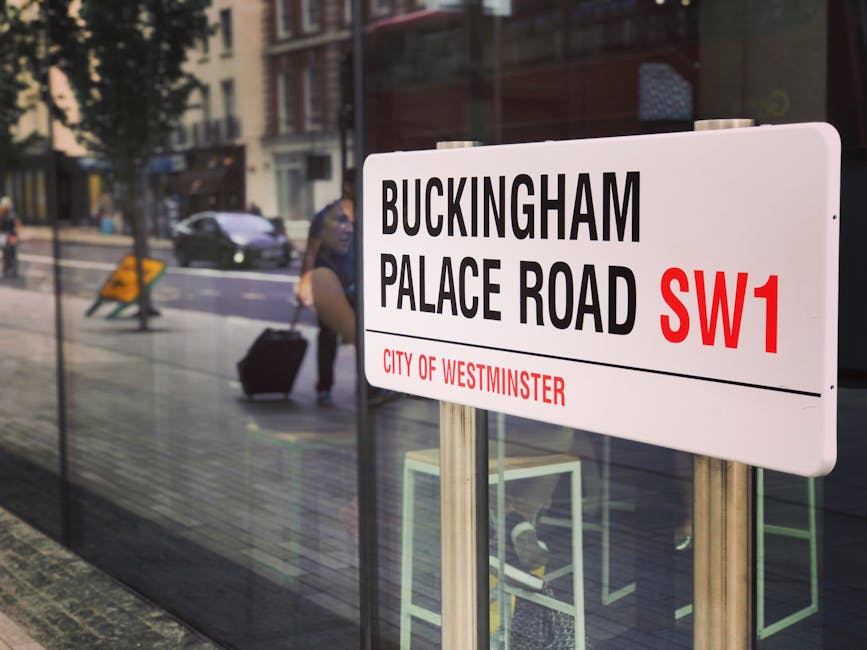
London’s buses are run by Transport for London (TfL), which operates most urban routes. City buses use a numbering and terminus system displayed on the stop signs and on the front of the vehicle. Routes cover all of Greater London: from historic Westminster (for example Trafalgar Square, Trafalgar Square, London WC2N 5DN) to major transport hubs like Victoria Coach Station (164 Buckingham Palace Rd, Belgravia, London SW1W 9TP) or King’s Cross St Pancras (Euston Rd, London N1C 4QP).
This guide will help you:
- Read and interpret route displays and destination signs on buses;
- Understand official stops and route variants;
- Use payment options (contactless, Oyster Card, paper tickets) and know approximate fares in euros;
- Find your stop on the street, avoid confusion between nearby stops and handle transfers;
- Benefit from local tips to travel safely, cheaply and efficiently (best stops for photos, off-peak times, night buses).
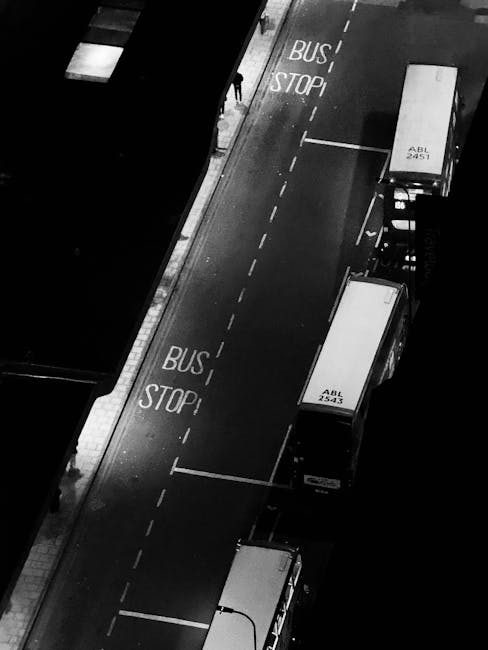
The images throughout this article 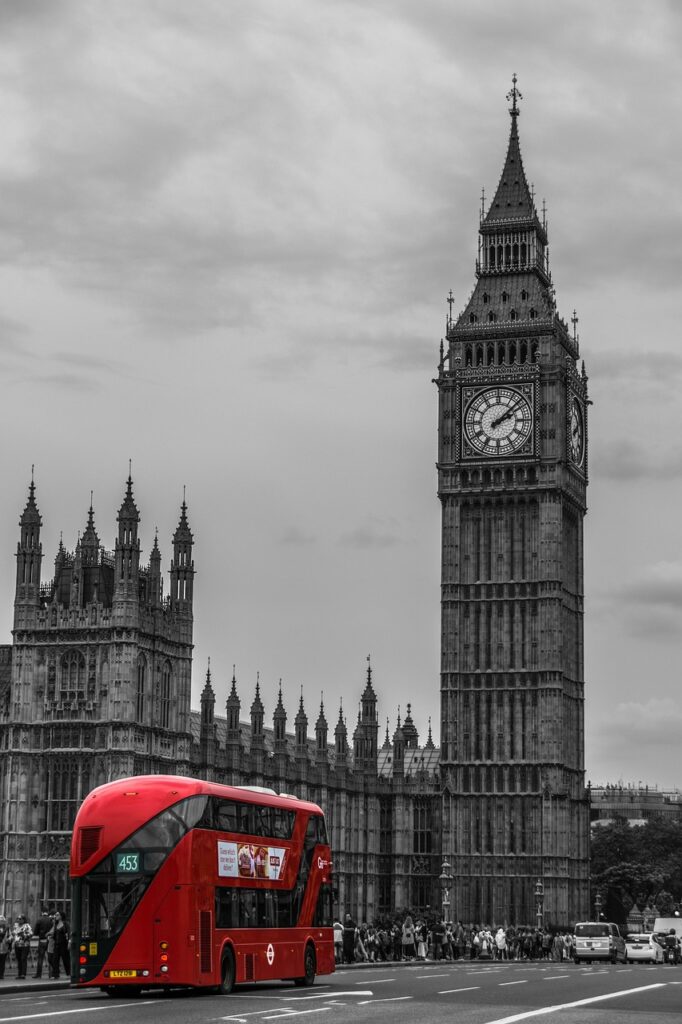 will give you a visual reference to recognise stops and buses. We’ll also cite real stop examples and typical schedules (for instance stops at Waterloo Station, Waterloo Rd, London SE1 8SW and Liverpool Street Station, Liverpool St, London EC2M 7QH), and offer practical advice when several stops sit close together. By the end, you’ll have everything you need to board the right bus and get off at the right place, whether you’re visiting for a weekend or living in London.
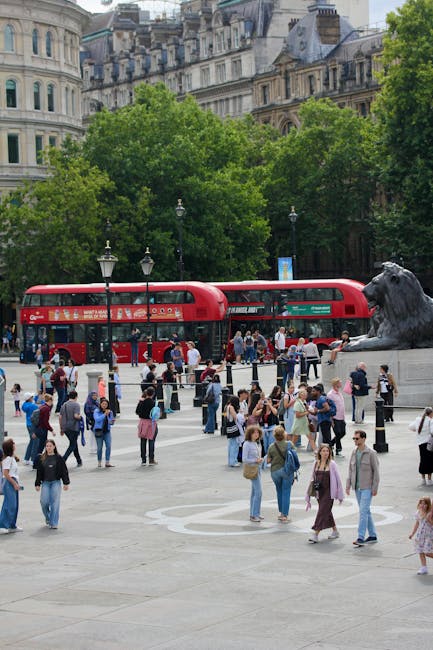
Reading route numbers, destinations and route variants
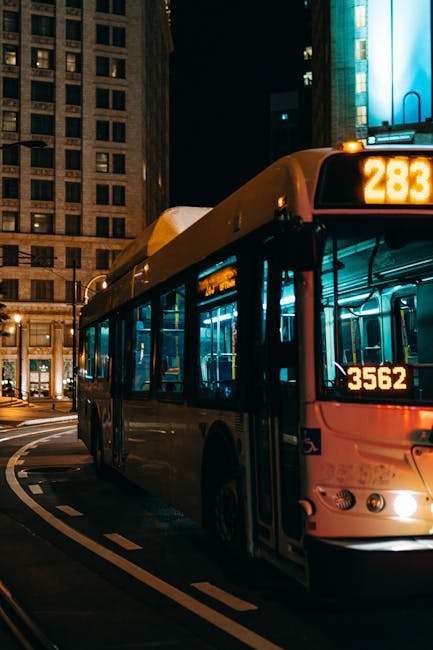
Every London bus shows a clearly visible route number, the final destination (the terminus) and sometimes a short list of main stops. The number (for example 11, 24, 159) tells you the primary route; the destination on the windscreen shows where this particular vehicle is heading. Concrete example: route 11 often displays “Fulham Broadway” or “Victoria” depending on its rotation. To confirm the route, also check the side panel and the electronic display: it lists key stops, route maps and sometimes traffic status.
Watch out for route variants. Some routes share a long stretch before splitting toward different termini. A display might read “via Oxford Circus” or “via Elephant & Castle.” That means two buses with the same number might not drop you at the same stop if one is running a different variant. At busy nodes like Piccadilly Circus (Piccadilly Circus, London W1J 9HS) or Oxford Circus (Oxford Circus, London W1C 1DE), pay special attention to the “via” detail.
Bus maps and shelter diagrams often show the complete path. Stop poles carry a suffix panel (A, B, etc.) indicating distinct directions served by the same number at that exact location. For example, at Victoria Coach Station (164 Buckingham Palace Rd, London SW1W 9TP) you may find stops close together serving opposite directions: look for the arrow and the printed terminus name on the plate.
To check a route quickly, use the official TfL app (real-time updates) or Google Maps — but don’t rely solely on these tools in densely built-up areas where roadworks cause diversions. Also note: some tourist routes (for example 9 or 11) offer superb views of landmarks but can be slow during rush hours. Night routes are prefixed with an N (for example N11) and usually run all night with reduced frequency.
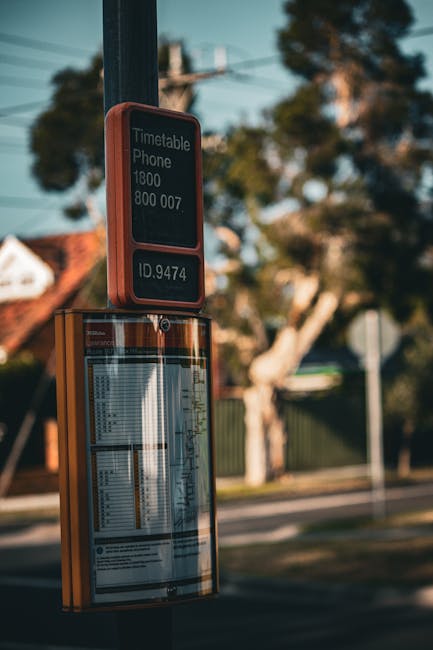
Finding your stop on the street: physical cues and exact addresses
A London bus stop is recognisable by its red-and-white sign, a vertical pole with the “Bus” logo and the route numbers, often with a clear shelter. Stops have an official name (for example “Waterloo Station / York Rd”) and are usually located close to a landmark, station or specific street. Example: the stop “Waterloo Station / York Rd” sits on York Rd, next to the main entrance of Waterloo Station, Waterloo Rd, London SE1 8SW.
To locate your stop precisely, note the full address of the nearest landmark. Here are some useful stops with addresses:
- Victoria Coach Station — 164 Buckingham Palace Rd, Belgravia, London SW1W 9TP (major coach terminal, interchange with city buses and intercity coaches)
- Waterloo Station stop — Waterloo Rd, London SE1 8SW (connections to the south and several routes serving the South Bank)
- Liverpool Street Station bus stop — Liverpool St, London EC2M 7QH (east access and links to the City)
- King’s Cross St Pancras — Euston Rd, London N1C 4QP (important hub for trains and local buses)
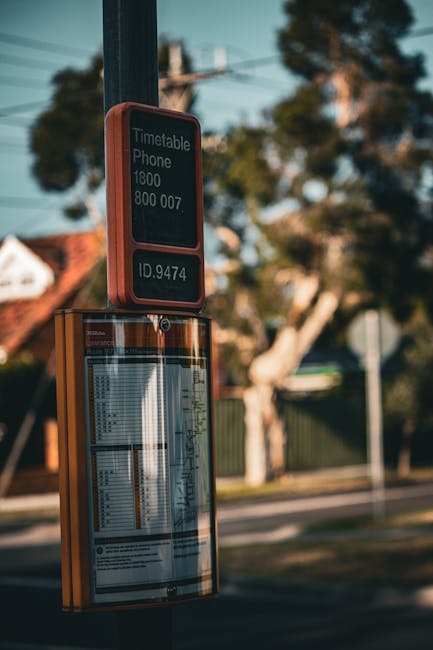
Practical tip: look for the “Stop ID” number on the plate — it’s a unique numeric code. If you use TfL or call 0343 222 1234 (information line; check international dialing if needed), give that code for precise directions. Timetables shown at stops are indicative — during peak times frequencies are higher (every 4–10 minutes on central routes); in the evening a bus might run every 15–30 minutes, and less frequently on night routes.
If two nearby stops serve opposite directions, spot the arrow on the plate and the list of served routes. To get off at the right place, press one of the “stop” buttons upstairs or near the doors; the driver will stop at the next official stop. If you’re out shooting photos (for example getting off near Trafalgar Square, Trafalgar Square, London WC2N 5DN), prepare to disembark a few hundred metres early so you don’t miss your stop.
Payment, fares in euros and typical schedules (money-saving tips)
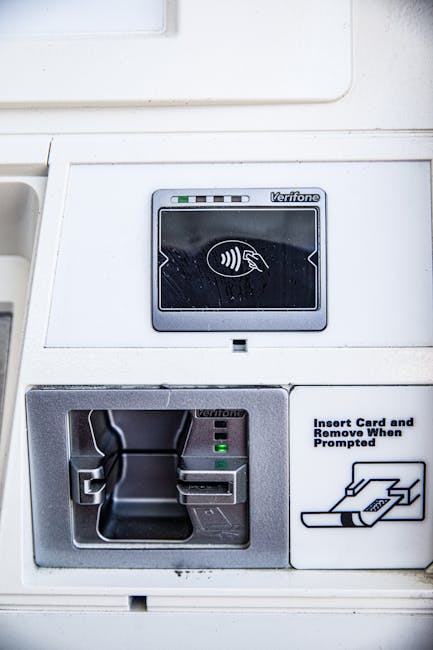
Payment on London buses is largely cashless: TfL prefers contactless payments and Oyster Cards. Buying a ticket from the driver is rare. In 2026, the standard fare for a single bus trip is around £1.75, roughly €2.05 (exchange rate indicative). Thanks to the “Hopper” rule, you can make unlimited transfers within one hour without paying again. If you plan several trips in a day, the daily cap when using contactless or Oyster can limit your spending; this cap for buses and the Tube varies by zone, but expect roughly €8–€12 per day for frequent central London travel (zones 1–2). Check exact fares on tfl.gov.uk before you travel for precise euro conversions.
Schedules: most routes start around 05:00 and finish between 00:30 and 01:30. Night routes (prefixed N) run through the night with reduced frequency. Practical examples:
- Typical daytime route (e.g. 11): first runs around 05:30, last around 00:45; frequency 6–12 minutes during the day.
- Night route (e.g. N11): continuous service, night frequency around 20–30 minutes depending on the section.
- Intercity coach services (e.g. National Express from Victoria Coach Station, 164 Buckingham Palace Rd): departures scheduled, ticket office open 24/7 on some days.
Money-saving tips: buy an Oyster Card if you’re staying several days (available at Underground stations and at Victoria Coach Station), or enable contactless payments on your bank card or smartphone. Don’t rely on paper tickets for simple bus journeys — they’re usually more expensive or unavailable. Travel during off-peak hours (10:00–16:00) for quicker trips and less crowded photo opportunities; leave early (06:00–09:00) to catch buses that face less congestion heading to business districts before commuter influx.
Local tips, safety and mistakes to avoid
Londoners have routines: heading upstairs for a better view is tempting, but during peak hours the top deck fills fast. Respect fellow passengers’ space and keep your bags in front of you. Practical tips:
- Check the pavement side: stops for opposite directions are often just a few dozen metres apart; look at the signs for direction (for example “to Victoria” or “to King’s Cross”).
- Avoid running for a bus: London buses will stop if you’re waiting at the stop and have indicated you want to board (press and show you want to get on).
- Keep your phone and valuables in front of you; snatch theft can happen in crowded places.
- If you have luggage or a buggy, board via the centre door where there’s often a designated space: drivers can advise whether space is available.
Common mistakes: confusing neighbouring stops, ignoring “via” variants, paying cash, or forgetting that some routes change their termini at weekends. Roadworks and diversions are common: check the noticeboards at the stop (paper displays) or the TfL app for real-time updates. Finally, use journeys as an opportunity to soak up the city: get off at photogenic stops like Covent Garden (The Piazza, Covent Garden, London WC2E 8RF) for a stroll if weather and time allow.
Final practical information
Useful contacts and places: TfL Customer Services (online) and ticket offices at major stations like Victoria Coach Station, 164 Buckingham Palace Rd, London SW1W 9TP are good starting points. Up-to-date timetables and current fares in euros are available on tfl.gov.uk; for exact euro conversions use the day’s exchange rate.
Conclusion — Travel with confidence on London buses
Taking the bus in London becomes second nature once you know how to read route numbers, destination displays and the logic of stops. Armed with the insights in this guide — precise addresses like Victoria Coach Station (164 Buckingham Palace Rd, SW1W 9TP), key stops like Waterloo Station (Waterloo Rd, SE1 8SW), indicative fares in euros (single trip about €2.05) and typical schedules — you can plan your journeys with confidence. The essentials are checking the stop plate, confirming the destination in the windscreen and using contactless payment or an Oyster Card to save money.
Remember London is always changing: works, diversions and public events can alter routes temporarily. Always check live information (TfL app or stop notices) and note the Stop ID if you need help from customer services. Travel courteously, enjoy the view from the top deck when you can, and don’t hesitate to ask the driver to confirm your stop.
Follow these tips and local resources, and you’ll turn riding London buses from a source of uncertainty into a reliable way to explore the city — from South Bank’s museums to Covent Garden’s shops and the great historic thoroughfares. Enjoy your journey and happy discoveries!