





Introduction: understanding city manners in London
London is a global metropolis where history, cultural diversity and well-established social codes meet. For curious travellers, adopting local manners smooths interactions, avoids misunderstandings and helps you get the most out of the city’s highlights: from Bloomsbury’s museums to the bustling South Bank markets, historic pubs and the famously respected queues. This guide provides practical signposts and concrete tips to help you navigate different urban settings in London with ease, stressing respect for local customs and everyday politeness.
In London, a lot is decided by small details: staying to the right on Tube escalators, speaking softly in galleries, and respecting queues at ticket counters or attractions. These behaviours, while simple, are seen as marks of civility and make life easier for both locals and visitors. We’ll also cover practical information — exact addresses, opening times, approximate prices in euros, and immersive descriptions — for specific places like King’s Cross St Pancras station, Borough Market, The British Museum or historic pubs such as The Churchill Arms.
London is organised into zones, neighbourhoods and landmark spots where visitors are expected to show some restraint and share public space considerately. Transport (the Tube, buses, Overground), green spaces (Hyde Park, Regent’s Park) and cultural institutions (Tate Modern, the National Theatre) each have implicit rules: respect the queues, keep noise to a minimum, no smoking, and behave appropriately during ceremonies or exhibitions. The guide offers tailored recommendations depending on the context: what to do in a fine-dining restaurant, how to act in a busy pub, or what to observe inside an exhibition at the British Museum (Great Russell Street, London WC1B 3DG).
Beyond etiquette, we provide practical tips to avoid faux pas: how to use an Oyster card or contactless payments (approximate rates and costs in euros), the best times to visit certain attractions to dodge the crowds, and exact addresses to soak up London’s atmosphere while respecting locals. This guide is designed to be consulted before and during your trip, with an informative, professional and detailed tone, to ensure a respectful and successful experience in the British capital.
Getting around and transport: courtesy rules and practical info
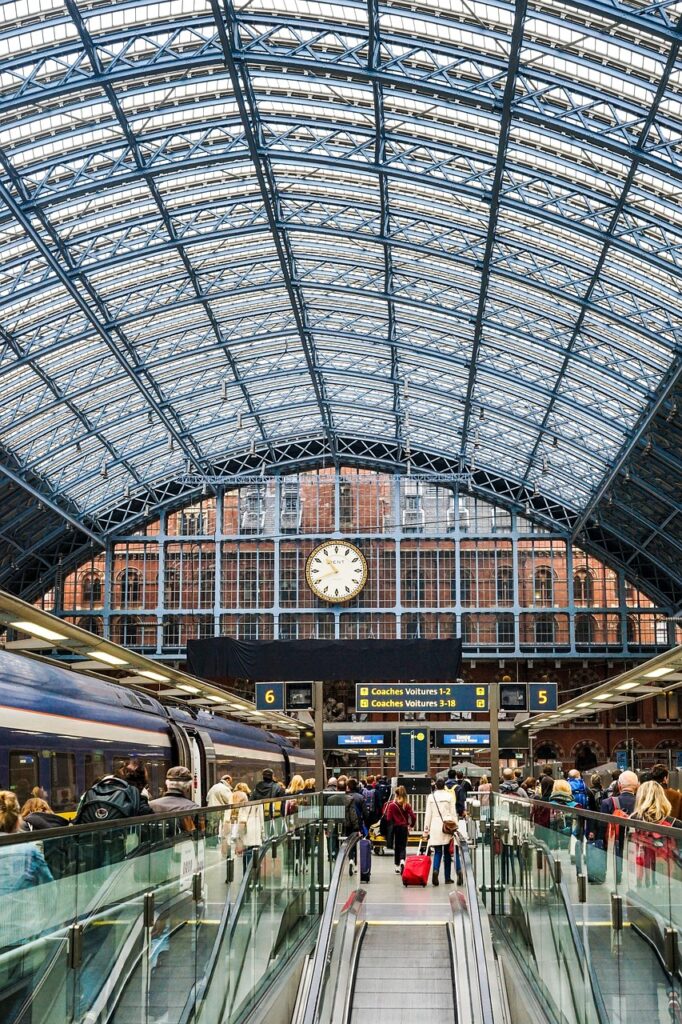
Getting around London means knowing a few unwritten but essential rules. The main network is the London Underground (the « Tube »), supplemented by the red double-decker buses, the Overground, the DLR and national rail services. King’s Cross St Pancras station is located at King’s Cross, London N1C 4TB; it’s a major hub for services to Cambridge, Edinburgh or the Eurostar via St Pancras International (St Pancras International, Euston Road, London N1C 4QP).
Tickets and fares: the most convenient options are an Oyster card or contactless card payments. A single journey in Zone 1 during the day costs roughly €3.20 by contactless payment (indicative price; varies with exchange rates and time). Bus fares are about €1.70 per ride when paying contactless (flat fare), and there’s a daily cap to limit total spending. Ticket machines and ticket offices are in major stations; for example, the main ticketing area at Heathrow Airport is at Heathrow Airport, Longford TW6.
Transport etiquette: stand to the right on escalators to let people in a hurry pass on the left; this is enforced at busy stations like Oxford Circus (Oxford Street, London W1D 1BS). Don’t block train doors — let passengers exit before you board. Keep conversations low and avoid taking phone calls on crowded carriages. When offering your seat to an elderly person or someone pregnant, do so quietly and simply — a polite gesture is enough.
Schedules and accessibility: the Tube typically runs from around 05:00 to 00:30 depending on the line; the Night Tube runs on certain nights on lines such as the Victoria and Central (check times online). Some bus routes operate 24/7 on main corridors. For example, London Waterloo (Waterloo Road, SE1 8SW) serves the south of England and is generally open from about 04:30 until around midnight, depending on platforms. For travellers with reduced mobility, most major stations like King’s Cross St Pancras and London Victoria (Victoria St, SW1E 5ND) have lifts — check accessibility maps before you travel.
Behaviour in public spaces, parks and shopping streets
London is known for its cleanliness and respect for public spaces; etiquette in parks and shopping streets is fairly strict. Parks like Hyde Park (Hyde Park, London W2 2UH) and Regent’s Park (Regent’s Park, London NW1 4NR) are places to relax, and visitors are expected to follow signage: no unauthorised fires or barbecues, clean up your litter, and stick to designated dog-on-lead or off-lead areas. If you’re picnic-ing on the grass, bring a bag for your rubbish and use bins or recycling points.
On shopping streets — for example Oxford Street (Oxford St, London W1D) or Regent Street (Regent St, London W1B) — avoid blocking pavements to consult a map or take photos. If you need to stop, step to the side. Upscale shops like Fortnum & Mason (181 Piccadilly, London W1A 1ER) may have rules about conduct inside; for instance, respect queues at counters and don’t handle items from the cellar or tea salon without asking.
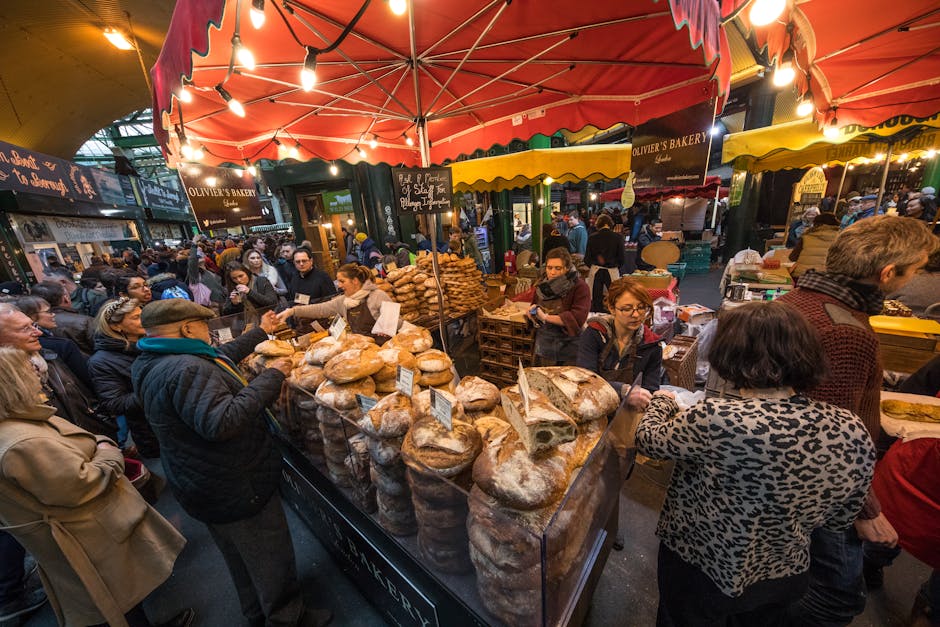
Markets and interactions: markets are lively and friendly, but basic rules apply: at Borough Market (8 Southwark St, London SE1 1TL), don’t sit on counters, don’t crowd a stall while staff are packing food, and keep your bag close. Wait your turn for samples and, if you want a close-up photo of a stall, ask the vendor first.
Safety: don’t leave valuables in plain sight on public seats or bus windows and stay vigilant at night, particularly near stations like Victoria Station (Victoria St, SW1E 5ND). In case of loss or emergency, dial 112 or 999 to reach emergency services. Finally, obey « no smoking » signs: London enforces fines for smoking in some covered public areas and around dining zones.
Etiquette in pubs, restaurants and food markets
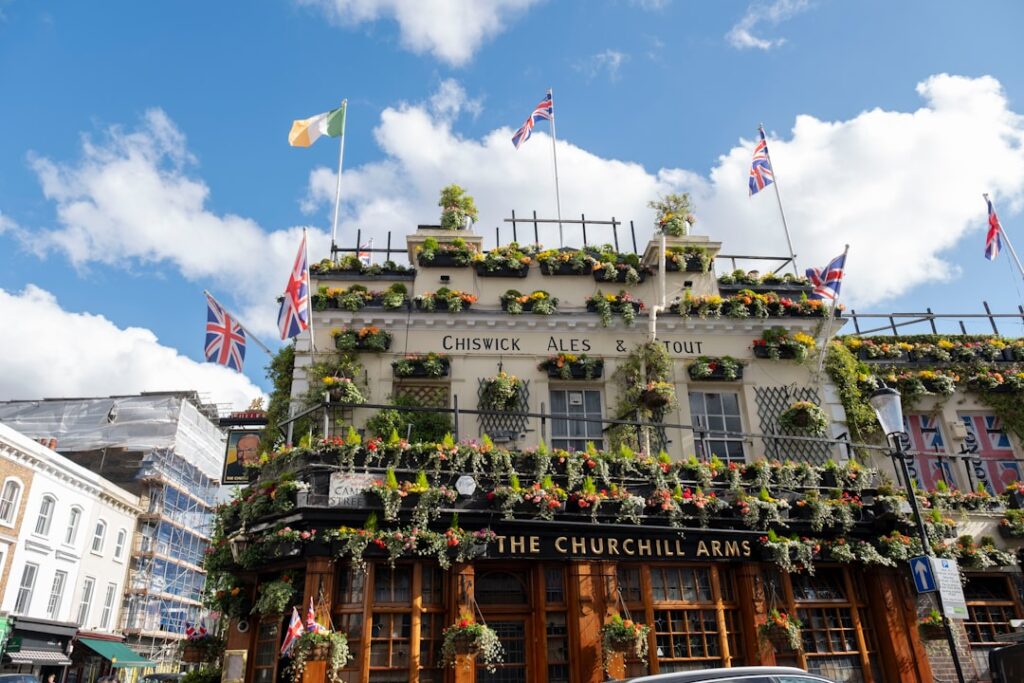
London pubs are a core part of the city’s social fabric and each place has its own vibe. Knowing a few dos and don’ts ensures a pleasant visit. In a traditional pub like The Churchill Arms (119 Kensington Church St, London W8 7LN), wait to be served if the pub operates counter service; in others you may order at the bar and then be shown to a table. Tipping in pubs isn’t mandatory: leaving small change or adding around 10% for table service is appreciated but not compulsory.
Prices and opening times: a pint (0.5L) of standard beer costs roughly €5.00–€7.00 depending on location and quality (central locations are often pricier). Pubs generally open from about 11:00 to 23:00 or later on weekends; check opening hours before you go — for example The George Inn (77 Borough High St, London SE1 1NH) often opens from 10:00 to 23:00.
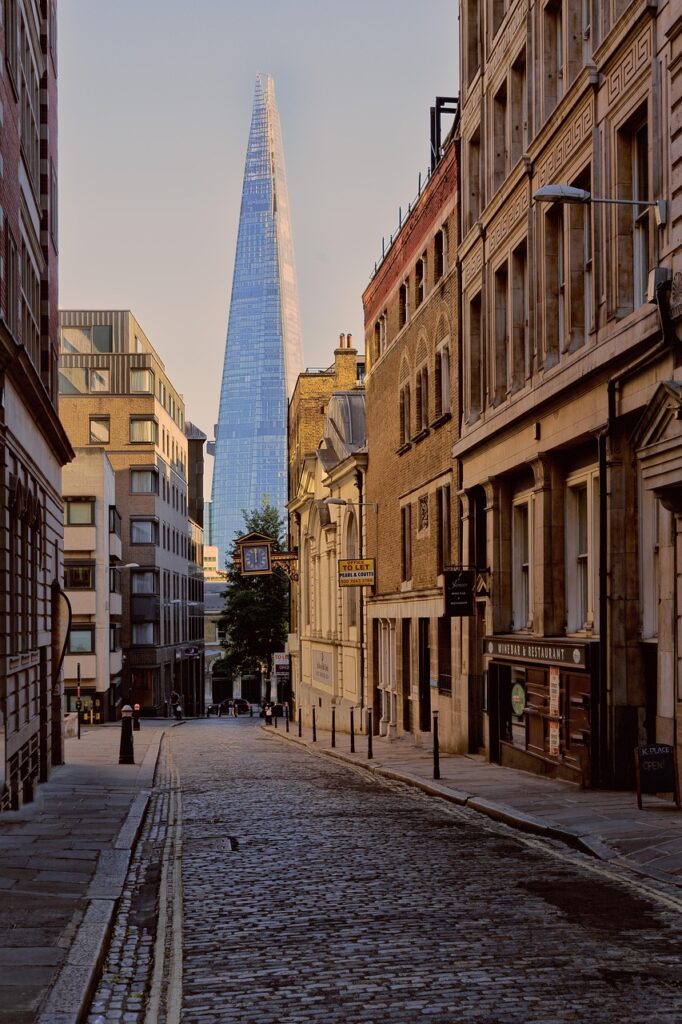
Restaurants and reservations: reservations are often recommended, especially at popular places like Dishoom Covent Garden (12 Upper St Martin’s Ln, London WC2H 9FB). Prices vary: a typical meal at a good restaurant is around €25–€50 per person excluding drinks. Expect higher prices and more formal dress codes at gourmet or Michelin-starred restaurants (for instance around The Shard, 32 London Bridge St, SE1 9SG).
Behaviour at food markets: at Borough Market you’ll find local and international specialities; respect queues when ordering, use a tray if you eat on-site, and avoid hogging a table during peak times. Local tip: some stalls accept cash tips — a euro or two for a prepared dish is appreciated. Market opening days are generally Thursday to Saturday 10:00–17:00, but check each stall’s exact hours.
Museums, theatres and cultural venues: behaviour and useful info
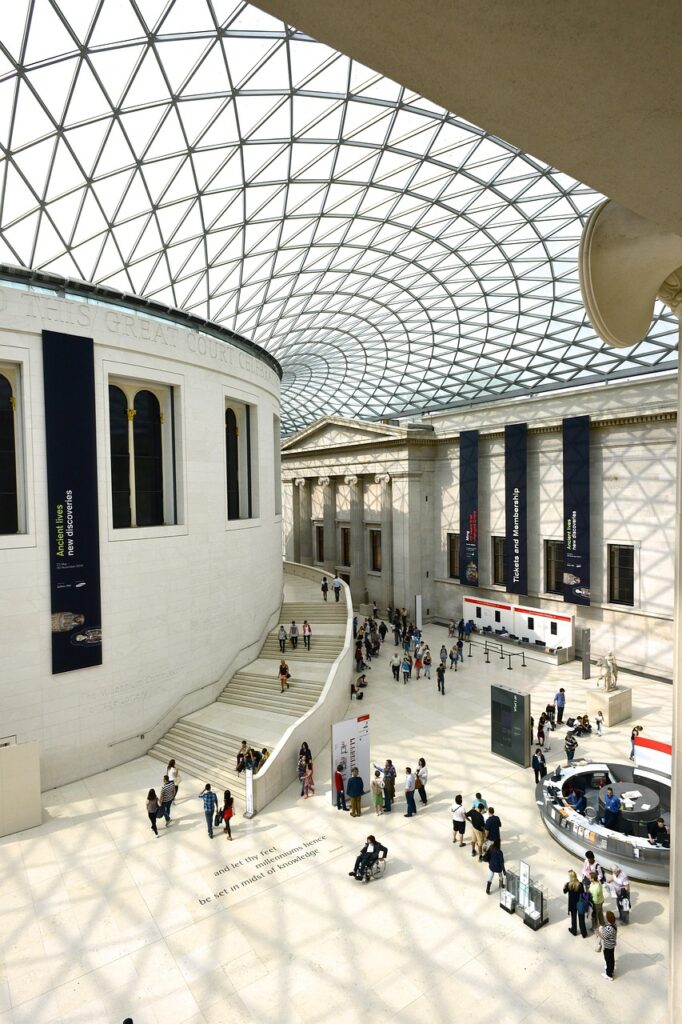
London’s museums and theatres demand particular respect to preserve artworks and the shared experience. The British Museum (Great Russell St, London WC1B 3DG) is open from 10:00 to 17:30 on most days, with late openings until 20:30 on some Fridays; general admission is free but temporary exhibitions can cost around €12–€25. Rules include no flash photography, no food or drink in galleries, and keeping voices low.
Theatres and performances: the West End and venues like the National Theatre (Upper Ground, South Bank, London SE1 9PX) and the Royal Opera House (Bow St, London WC2E 9DD) draw international crowds. Shows often run in the evening (typically 19:30–22:30) with matinees at weekends. Arrive 20–30 minutes early to find your seat, switch off your phone and avoid clapping between acts unless the whole audience does so.
Free museums and tips: many London museums are free (Tate Modern, Natural History Museum, Science Museum) though special exhibitions may charge. For example, the Tate Modern (Bankside, London SE1 9TG) is open from 10:00 to 18:00 (last entry times vary) and offers free permanent displays; a special exhibition may cost around €15–€20. Plan morning visits to avoid crowds and use cloakrooms for large bags (fees roughly €2–€4 depending on the venue).
Respectful behaviour: when visiting churches or historic sites (e.g. St Paul’s Cathedral, St. Paul’s Churchyard, London EC4M 8AD), dress modestly, speak quietly during services and follow designated photography areas. Times and ticket prices vary: St Paul’s charges around €18–€22 for adult admission (check online for concessions).
Local tips, safety and handy practical advice
Adopting good manners in London also means knowing a few practical tips and safety rules. Always carry an Oyster card or a contactless bank card; mobile and contactless payments are widely used. If you plan to visit major attractions like The Shard (32 London Bridge St, SE1 9SG), book ahead: summit access (The View from The Shard) costs about €32–€38 depending on time and date.
Some safety tips: keep photocopies of important documents in a separate place, don’t flash large amounts of cash in public, and be wary of pickpockets in tourist hotspots like Piccadilly Circus (Piccadilly Circus, London W1J 9HS) and Camden Market (Camden Lock Pl, London NW1 8AF). If you’re unsure about the safety of an area at night, check local advice or ask your hotel.
Interacting with locals: Londoners are generally polite but reserved; start with a simple « excuse me » or « sorry » when you need someone’s attention, and use « please » and « thank you » consistently. If you’re deciding between two queues, choose the one clearly marked « queue here »: queuing is almost a national pastime in London, and following it prevents friction. Punctuality is appreciated — be on time for appointments, dinners or guided tours.
Final practical tips: download useful apps (TfL Go, Citymapper, Google Maps), double-check opening hours before you head out (times can change for special events), and be aware of bank holidays which often affect opening hours and transport services. Stay culturally adaptable: if a local gesture or practice surprises you, observe and politely ask — most Londoners are happy to explain.

Conclusion: travelling in London with tact and curiosity
Knowing and applying London etiquette turns a simple trip into a harmonious and respectful experience. From punctuality on the Tube to discretion in museums, every action counts. The information provided — exact addresses, indicative opening times, approximate prices in euros — helps you anticipate and better plan your movements. London values mutual respect: queues are taken seriously, politeness is expected and discretion in shared spaces is appreciated.
Remember the city is diverse: social rules can vary slightly from one neighbourhood to another. A pub in Kensington won’t behave exactly like a market in Camden or a gallery on the South Bank. Observing, asking and adapting are the keys to success: a simple « please » and « thank you » often opens doors and sparks warm exchanges. Don’t hesitate to plan visits (bookings for The Shard, exhibitions at the British Museum or West End tickets) to avoid disappointment and help manage visitor flows.
Finally, keep the practical side in mind: use Oyster or contactless payments to save time, follow signs and instructions, and know the emergency services contact if needed. London is generous: it offers free museums, lush green spaces, delicious markets and unforgettable cultural experiences. By adopting these good manners you’ll help preserve local quality of life while ensuring a calm and rewarding stay. Safe travels and enjoy the British capital with respect and curiosity.