





Introduction — London in 48 hours: the essentials
London is at once vast and surprisingly compact: with two well-planned days you can get a real feel for the city, touch on its history, and enjoy its free museums, contrasting neighborhoods and walks that stick in your memory. This practical, immersive guide is aimed at travelers with a tight weekend who still want to come away with a rich and varied picture of the British capital. You’ll find walking itineraries, a shortlist of must-see free museums, exact addresses, typical opening hours, prices converted into euros, and local tips to save time or avoid queues.
Over two days, the idea is to focus your visits around two complementary hubs: one historical and monumental (Westminster, the South Bank, the Tower of London), and the other cultural and full of quintessential London strolls (Covent Garden, Soho, Notting Hill, the West End museums). You’ll visit major free institutions like the British Museum, the National Gallery and the Tate Modern, but also markets, pedestrian lanes and Thames viewpoints. Every place mentioned includes its full address, usual opening times and price indications in euros — and for free museums I also explain when temporary exhibitions may require a ticket.
This guide doesn’t just list sights: it gives immersive descriptions to help you choose what you’ll actually enjoy based on your interests (art, history, architecture, food). You’ll find practical tips (Oyster Card vs contactless, best hours to avoid crowds, free alternatives) and suggestions for tasty breaks (markets, cafés and pubs). To make planning easier and more visual, I’ve added image placeholders — photographic suggestions to help you sense the mood of each stop.
1) Day 1 — Westminster, the South Bank and central free museums
Start your first day in Westminster to see the iconic monuments, then continue along the south bank of the Thames (South Bank) where museums, riverside walks and city views follow one another. Begin early to enjoy a quiet moment in front of Big Ben and Westminster Abbey.
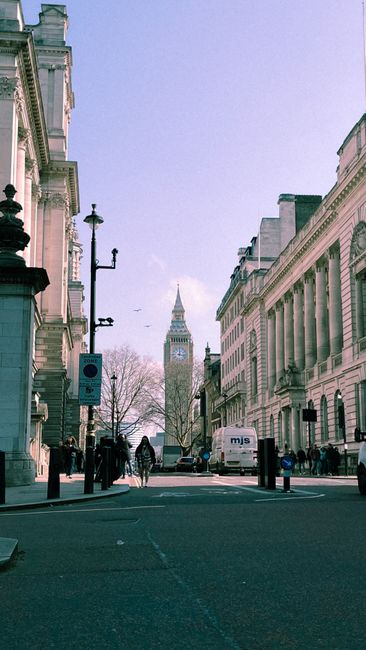
Begin in Westminster: Big Ben (Elizabeth Tower) sits near Westminster Bridge, but note the interior is only open to UK residents. Stroll around Parliament Square and head to Westminster Abbey, address: Westminster Abbey, 20 Dean’s Yard, London SW1P 3PA. Typical opening hours for tourists: 09:30–15:30 (hours vary with services); indicative price: around €27 for an adult (2024 rate approx., book online recommended).
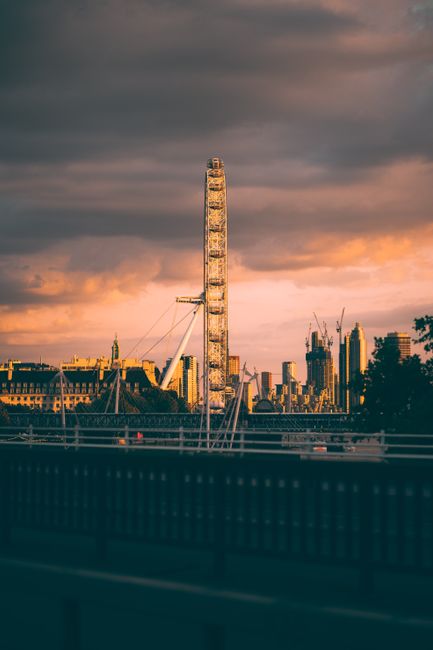
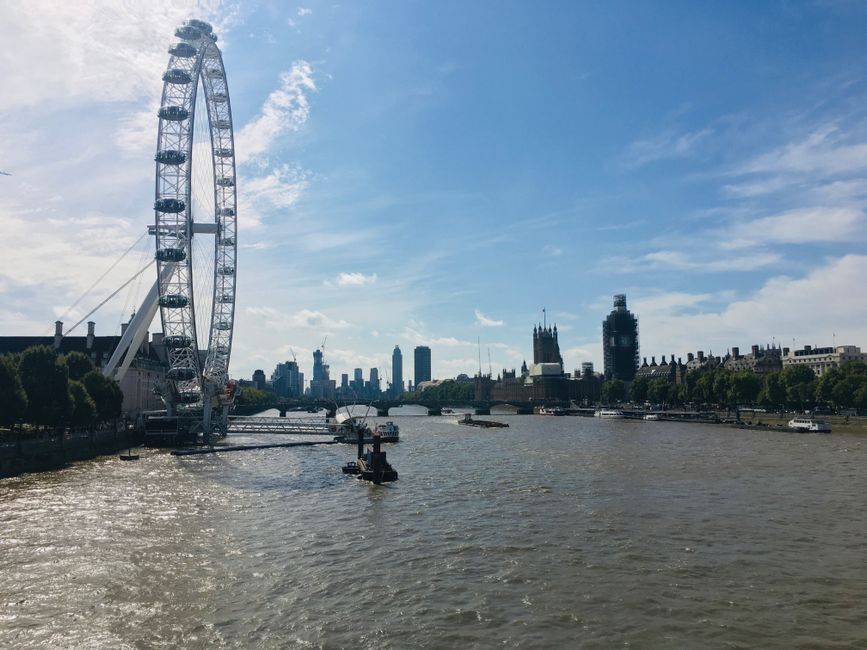
Next, cross to the South Bank via the pedestrian Westminster Bridge. The riverside walk offers views of the London Eye and the skyline. The London Eye, address: Riverside Building, County Hall, Westminster Bridge Rd, London SE1 7PB — indicative adult price: €35 (around £30, standard non-fast-track ticket); usual opening hours: 11:00–18:00 (varies by season; often later in high season).
From the London Eye you can walk to the Tate Modern (Bankside, London SE1 9TG): a must for modern and contemporary art lovers. Entry to Tate Modern’s permanent collections is free; address: Tate Modern, Bankside, London SE1 9TG. Hours: generally 10:00–18:00 (Fridays and Saturdays often open until 22:00). Major temporary exhibitions may be ticketed, typically costing between €15 and €25.
A short walk away is St Paul’s Cathedral (St. Paul’s Churchyard, London EC4M 8AD). Visiting the interior is paid: around €22–€25 for an adult (includes access to the crypt and dome). Visitor hours: 08:30–16:00 (vary with religious services).
In the late afternoon, continue your South Bank stroll towards Shakespeare’s Globe Theatre (Shakespeare’s Globe Theatre, 21 New Globe Walk, London SE1 9DT). Guided tours are available (around €15–€20); check performance schedules if you want to see a play (evenings, season depends on programming).
Local tips:
– Get an Oyster Card or pay with contactless (Visa/Mastercard): the simplest and often cheapest way to use buses and the Tube. Daily capping: around €8–11 depending on the zones you travel through.
– Do your walking tour in the morning to avoid the tourist crowds after 10:30.
– For a quick, typically London lunch try the stalls at the Southbank Centre Food Market (near the Royal Festival Hall): estimated prices €5–12 per street-food dish.
2) Day 1 afternoon / evening — Covent Garden, Leicester Square and Soho
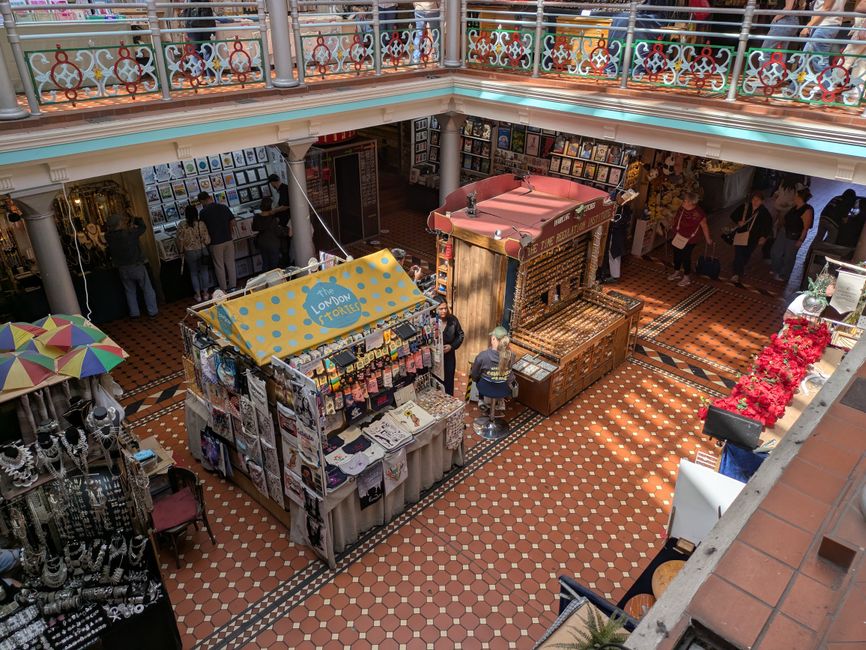
After the south bank, cross the Thames (via Millennium Bridge or Blackfriars) and head into the West End. Covent Garden is one of the loveliest areas for a stroll: shops, street performers and covered markets animate the central piazza.
Covent Garden Piazza, address: Covent Garden, London WC2E 8RF. The main building is the Apple Market with craft and souvenir stalls, usually open 10:00–18:00. Atmosphere guaranteed: street performers from late morning into the evening. For a nearby museum, the London Transport Museum (Covent Garden Piazza, Covent Garden, London WC2E 7BB) is paid (around €18 for an adult), but the area is worth the visit for its vibe alone.
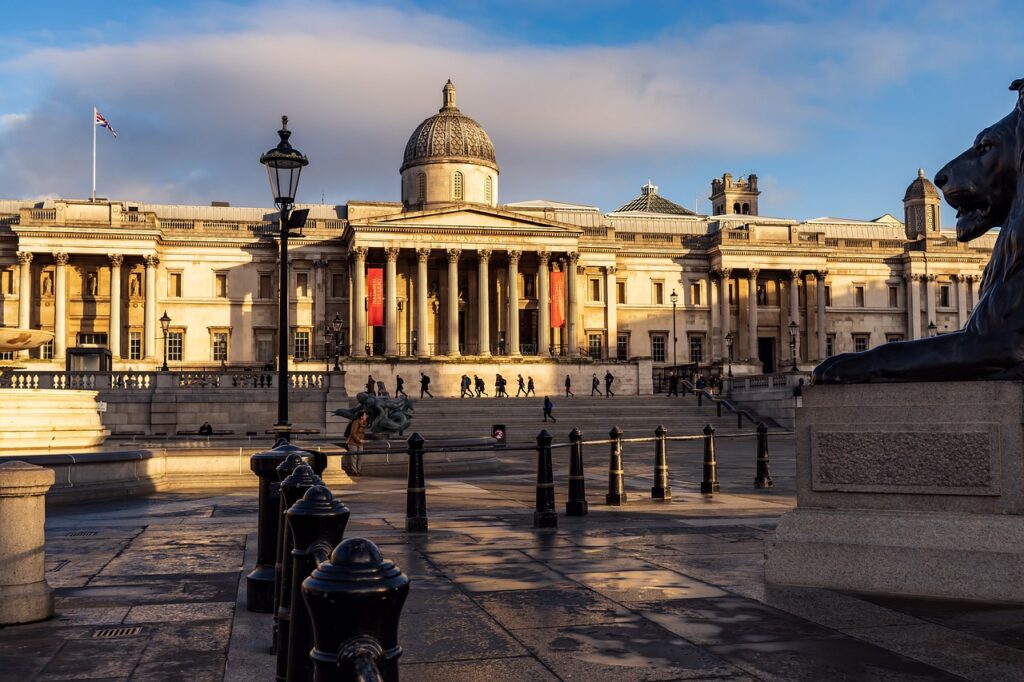
Continue to Leicester Square and Trafalgar Square. The National Gallery, address: Trafalgar Square, London WC2N 5DN, houses European painting masterpieces and entry to the permanent collections is free. Hours: typically 10:00–18:00 (Fridays often until 21:00). Special exhibitions may be ticketed, typical price: €10–€20.
Soho, lively after dark, is a great spot for dinner with options for every budget. Example: Dishoom Covent Garden (22 Kingly St, Carnaby, London W1B 5QB) for modern Bombay-style dishes — plates roughly €7–€20. For a local pub vibe: The French House (49 Dean St, Soho, London W1D 5BG) offers historic atmosphere but mainly bar service.
Tip for the evening: book dinner if you want a popular place; otherwise wander Carnaby Street (Carnaby St, London W1F) for window displays and lights. If you’re a theatre fan, catch a West End musical (prices vary: promo tickets from around €20, more commonly €40–€100 depending on show and seat).
Transport and safety: the West End is well served by Covent Garden (Piccadilly Line), Leicester Square (Northern & Piccadilly Lines) and Tottenham Court Road (Central & Northern/Elizabeth Lines) tube stations. Streets are generally safe but keep an eye on your belongings at night, as you would in any major city.
3) Day 2 — British Museum, Bloomsbury, and Borough Market
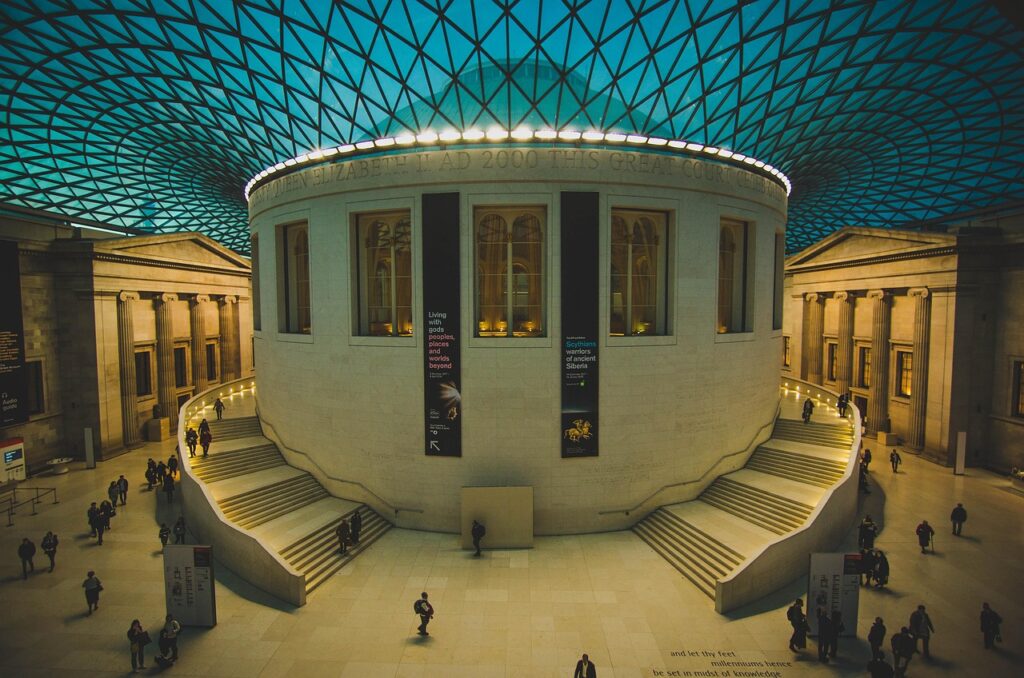
Start your second day with a visit to a major free museum: the British Museum. Located in the heart of Bloomsbury, it’s essential for anyone wanting to dive into world history.
British Museum, address: Great Russell St, London WC1B 3DG. Typical hours: 10:00–17:00 (Friday evenings sometimes open until 20:30 for late sessions). Entry to the permanent collections is free; temporary exhibitions can be ticketed (typical prices: €10–€25). Highlights to see: the Rosetta Stone, the Parthenon sculptures (Elgin Marbles) and the Egyptian galleries. Practical tip: download the museum map and pick 3–4 sections to prioritize so you don’t get overwhelmed.
After the British Museum, wander through Bloomsbury: its quiet squares (Russell Square, Bedford Square) offer a peaceful break. Useful address: Russell Square, Russell Square Gardens, London WC1B 5EH. It’s perfect for a coffee break on a bench before heading out for the afternoon.
Late morning or early afternoon, head south to Borough Market, one of London’s most famous food markets. Address: Borough Market, 8 Southwark St, London SE1 1TL. Typical hours: Friday 10:00–17:00, Saturday 07:00–17:00 (varies; closed some Sundays). Prices: street-food dishes €4–12 depending on the stall, cheeses and takeaway goods €5–25. At Borough Market try a hot sandwich, a curry or artisanal local produce — the vibe is lively and great for tasting.
Nearby are The Shard and the London Bridge area; The View from The Shard, address: The Shard, 32 London Bridge St, London SE1 9SG, offers spectacular paid views (around €30–€40). If you prefer to stay free, look for views from bridges like London Bridge or Tower Bridge (Tower Bridge Rd, London SE1 2UP).
Local tips:
– To avoid Borough Market crowds, visit early in the morning (or late afternoon on weekdays).
– For the British Museum, the main entrance on Great Russell Street opens first; arrive at opening time to enjoy nearly private galleries for an hour.
– For a tasty souvenir, buy goods at the market but check import restrictions if you’re leaving the EU.
4) Day 2 afternoon — Tate Britain, Notting Hill and a final Thames walk
For the second half of day two choose based on your preferences: British art at Tate Britain, colorful wandering in Notting Hill, or a relaxed riverside walk toward the Tower of London. Here’s a mixed itinerary: Tate Britain in the morning (calmer), then Notting Hill, and finish with an evening riverside stroll.
Tate Britain, address: Millbank, London SW1P 4RG. Hours: generally 10:00–18:00 (Fridays often have late openings). Entry to the permanent collections is free; some temporary exhibitions are ticketed (between €8 and €20). Tate Britain offers an excellent overview of British art (William Turner, John Constable, the Pre-Raphaelites) and a quieter atmosphere than Tate Modern.
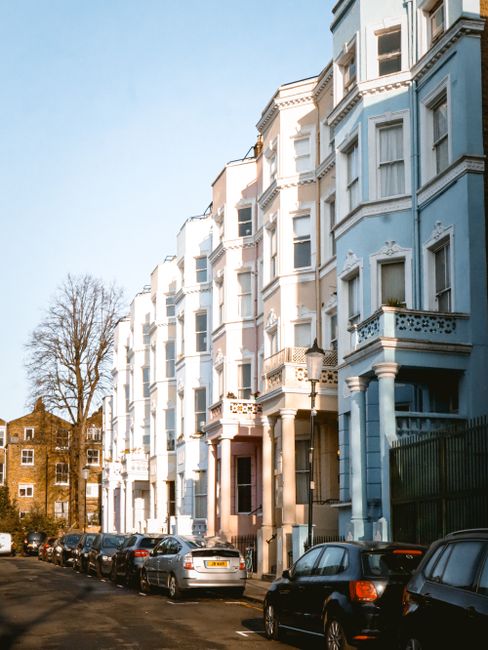
After Tate Britain, take the Tube or a bus to Notting Hill (Notting Hill Gate station, area W11). Stroll down Portobello Road Market (Portobello Rd, London W11 1LJ): an antiques and clothing market, mainly open on Saturdays (hours: early morning through late afternoon; many stalls from 08:00). Prices for souvenirs and antiques vary, street-food €5–12. Notting Hill is full of residential streets with pastel façades (e.g. 280 Westbourne Park Rd) and independent boutiques.
In the late afternoon, return to the Thames for a final walk: head toward Tower Bridge and the Tower of London (Tower of London, Address: Tower Hill, London EC3N 4AB). Visiting the Tower of London is paid, around €35 for an adult (approximate converted price). If you’d rather skip the paid entry, walking around Tower Hill and Tower Bridge Road gives terrific views and photo opportunities.
Practical tips:
– If you’re short on time, skip the paid interior tour of the Tower of London and opt for a free walk across Tower Bridge (some areas of the bridge are ticketed but most viewpoints are accessible).
– To save time, use Uber or buses to link Tate Britain and Notting Hill if you’re pressed; the Tube may require changes.
– Budget small items in euros: coffee ~€3–€4, a beer in a pub ~€6–€8, a full lunch ~€12–€25 depending on the place.
Practical local tips and sample budget
Organization: two days in London require a bit of planning to make the most of your movements. Here are concrete tips and a realistic sample budget.
Transport:
– Oyster Card: rechargeable cards available at all Tube stations; refundable deposit. Daily capping estimate: €8–12 depending on zones (zones 1–2 cover most attractions).
– Contactless (Visa/Mastercard): works the same way as Oyster without a deposit and with capping; prefer a card without foreign transaction fees.
– Bus: single journey ~€1.50–€2 with Oyster/contactless (equivalent prices in pounds after conversion).
– Taxi / Uber: useful in the evening or to save time, but pricier (expect €10–€30 depending on distance).
Sample budget for 2 days (per person):
– Accommodation: varies by standard (budget hotel €60–120/night, mid-range €150–250/night).
– Meals: breakfast €5–10 (if bought at a café), lunch €8–20, dinner €15–40 depending on restaurant.
– Museums: mostly free for permanent collections (British Museum, National Gallery, Tate Modern, Tate Britain). Temporary exhibitions: €10–€25 depending on venue.
– Possible paid sights: London Eye ~€35, Tower of London ~€35, St Paul’s Cathedral ~€22.
– Transport and extras: €20–40 for two days on public transport.
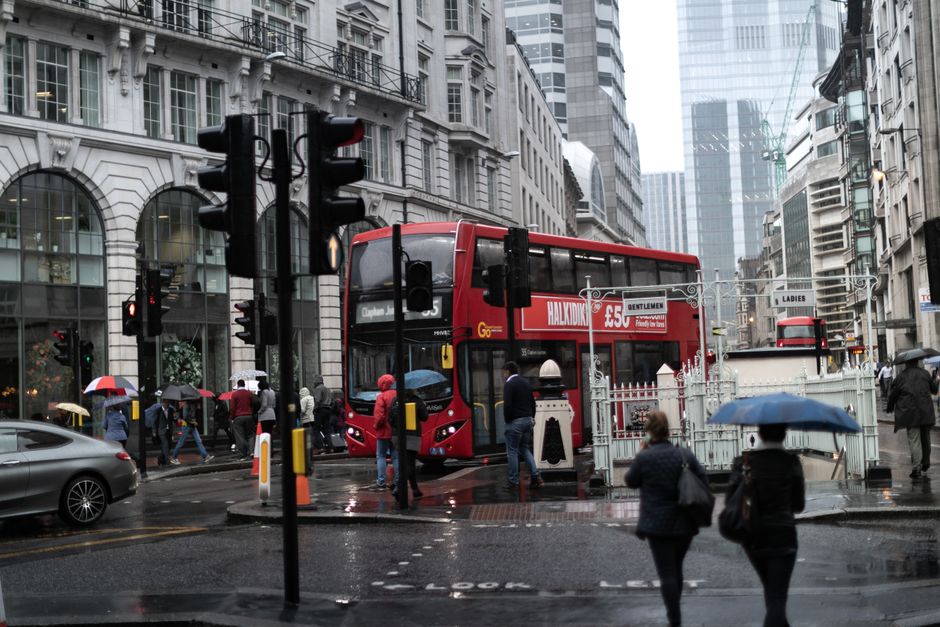
Safety and comfort: London is generally safe but stay vigilant as you would anywhere: keep your belongings close, avoid poorly lit areas at night if traveling alone, and stick to well-trafficked tourist areas. For the weather, pack a lightweight waterproof jacket; conditions can change quickly even in summer. For museums, wear comfortable shoes and bring a small reusable water bottle (many museums have refill points).
Useful apps and tools:
– Citymapper: real-time routes and travel times (bus, Tube, walking).
– TfL (Transport for London): official schedules and line closure updates.
– Official museum websites (British Museum, National Gallery, Tate) to book temporary exhibition tickets and check up-to-date opening hours.
Conclusion — Make the most of your 48 hours in London
Two days in London is an intense, memorable experience if you prioritise well. Focus on one area on day one (Westminster, the South Bank, West End) and a different area on day two (Bloomsbury, Borough, Notting Hill/Tower Hill) to avoid long, repetitive crossings of the city. Free museums (British Museum, National Gallery, Tate Modern, Tate Britain) offer unbeatable value for time spent: pick a few targeted highlights in each museum to avoid overload. Markets (Borough Market, Portobello Road Market) and riverside walks complete the cultural visits with tasty and photogenic experiences.
For a successful weekend: book any paid entries in advance (London Eye, popular temporary exhibitions), arrive at museum opening times for a quiet hour of visiting, and walk whenever possible: London is best discovered on foot, between architecture, colorful façades, historic pubs and Thames views. Think about comfort too: good shoes, a compact waterproof jacket and a payment card without currency conversion fees will make your trip smoother.
Finally, leave room for spontaneity: stumbling on a street performance in Covent Garden, an unexpected display at the Tate Modern, or a standout dish at Borough Market are some of London’s small delights. Two days won’t cover everything, but with this structured plan you’ll leave with a coherent and rich impression of the capital: its history, art, food and urban energy. Enjoy your trip — explorers, pack your walking shoes, your curiosity and your camera!