





Introduction — Why adopting local habits helps you feel at home in London
London is a huge, multicultural metropolis that’s always on the move. With more than 9 million residents and millions of visitors every year, the British capital blends opportunity, cultural diversity and the typical urban challenges of any major city. Feeling safe and « at home » in London isn’t just about a mood — it’s about a set of practical habits Londoners have developed over the years. These range from the way people get around to managing life at night, how to behave on public transport, how to protect yourself from petty crimes like pickpocketing, and which official tools and services make daily life easier.
In this guide I offer 10 concrete local habits, tried and tested by Londoners, to boost your safety and comfort during a visit or if you’re moving to the city. Each habit includes specific addresses, useful opening times, price estimates in euros (when relevant) and practical tips you can apply straight away. The aim isn’t to overstate the risks — London is overall quite safe — but to share simple reflexes that reduce stress and increase your independence, like knowing where to go in an emergency, how to pay and travel efficiently, or how to read local social cues (lining up, personal space, Tube etiquette).
You’ll also find recommendations for places to get help or services: well-known police stations, visitor information centres, markets and landmarks that make it easier to orient yourself. Prices shown in euros are approximate based on recent conversion rates; check current rates on the day. Finally, the guide covers night-time tips (areas to avoid, reliable taxis and ride-hailing), daytime advice (protecting against pickpockets in tourist-heavy spots) and how to use the transport network (Oyster, contactless, opening hours and fare bands).
Whether you’re planning a short trip, a study stay, an internship or a move abroad, adopting these 10 habits will help you blend into London life, move around with confidence and enjoy the city while minimizing surprises. Read each section carefully — some habits might seem obvious, but often it’s the small details that make the difference between a smooth day and a stressful one. By the end you’ll have a practical roadmap to feel at home, even thousands of kilometres from where you started.
1. Get around like a local: Oyster, contactless and clear fares
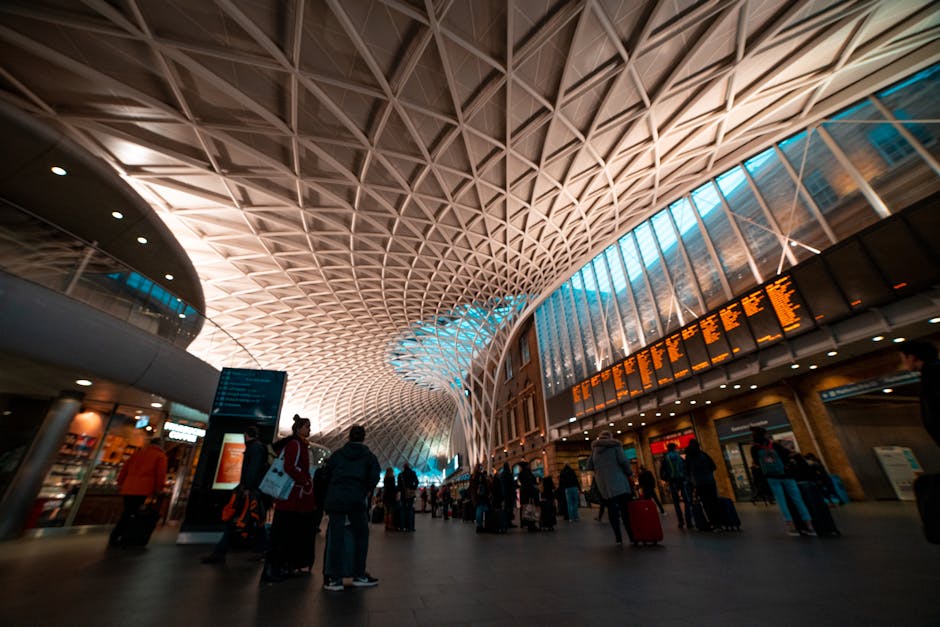
The first habit Londoners master is how to pay for transport. Two options dominate: the Oyster card and contactless payment with a bank card or phone. The Oyster card is a prepaid smart card that offers the best fares on the Tube, buses, trams, DLR and some rail services across Greater London. You can buy and top up an Oyster at ticket offices or machines at King’s Cross St Pancras / Ticket Office (King’s Cross Station, Euston Rd, London N1 9AP). Ticket office hours: generally 05:00–01:00 depending on the station. Indicative fares: a Zone 1–2 journey with Oyster ≈ £2.60 (~€3.00), daily cap for Zone 1–2 ≈ £7.40 (~€8.50).
Contactless payment (bank card or smartphone) works exactly like Oyster: tap in and out. The advantage is you don’t need to top up a physical card; the downside is you need an internationally accepted card and your bank may charge fees. Visitors who want a fuss-free solution can buy a Visitor Oyster Card online or at the official Transport for London (TfL) point: TfL Travel Information Centre, 55 Broadway, London SW1H 0BD. Opening hours: 09:00–17:00 on weekdays (check seasonality). Cost: the card itself costs about £5 (~€6.00) plus any preloaded credit.
Practical tips:
- Use contactless if your card or phone doesn’t incur foreign fees; otherwise choose Oyster to keep better control of spending.
- Always tap in and out to avoid maximum penalties; on London buses you only tap when boarding.
- Keep your ticket or payment receipt if you use an unregistered card — in case of inspection you may need to prove you paid.
For longer-distance journeys, check National Rail at London Bridge Station (1-3 London Bridge, London SE1 9SP). Station opening hours: some areas open 24/7, ticket office times vary. Fares depend on destination; for example, London to Cambridge booked in advance can cost ~£10–£25 (~€11–€29).
2. The art of queuing and respecting personal space
Queuing and respecting personal space go hand in hand with personal safety — they prevent unnecessary shoving and stressful situations. Londoners queue for everything: buses, taxis, museums, markets, and even to get into popular pubs. Learning how to position yourself in a line keeps you from getting pushed or crowded, especially in busy tourist hotspots like Buckingham Palace or major museums.
Some concrete points of reference:
- Buckingham Palace — Buckingham Palace, London SW1A 1AA: for the Changing of the Guard, barriers and queues form from around 10:30. Arrive early and stick to the designated areas. Ceremony time: usually 11:00 (seasonal changes). The outdoor spectacle is free to watch.
- British Museum — Great Russell St, Bloomsbury, London WC1B 3DG: expect lines at the main entrance on some weekends. Open 10:00–17:00; Fridays until 20:30. Free admission, though temporary exhibitions may charge (~€10–€25).
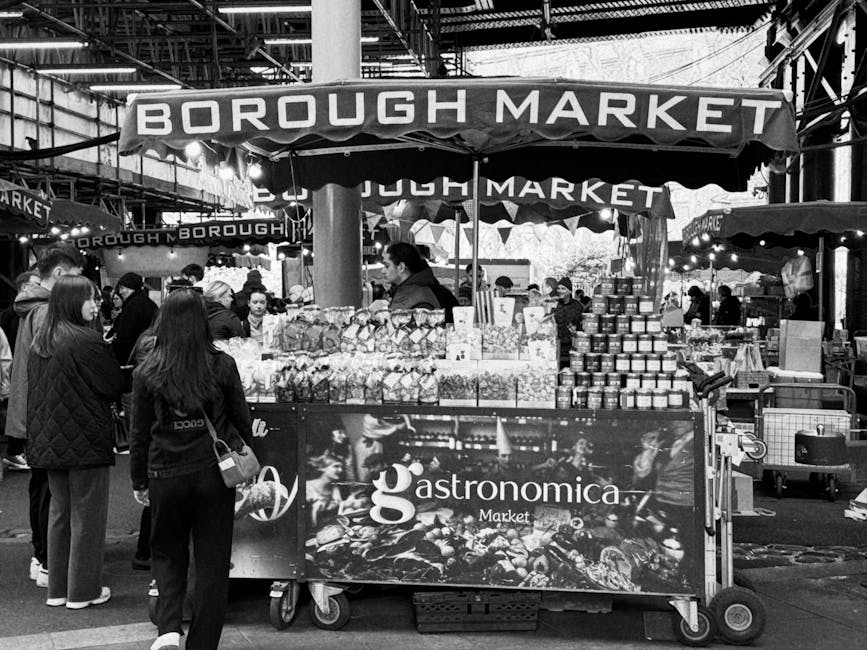
- Borough Market — 8 Southwark St, London SE1 1TL: during peak hours (Saturday 11:00–15:00) you’ll queue at food stalls; it’s common courtesy not to skip the line and to politely ask if you’d like to take a closer look.
Safety behaviours to adopt:
- Don’t leave belongings within easy reach on a bench or beside you while in a line: keep bags and phones in front of you.
- If you’re in a hurry, say « Excuse me » politely rather than pushing — politeness reduces the chance of conflict.
- On the Tube, wait behind the platform line — this prevents falls and makes boarding and alighting easier during busy periods.
Adopting this habit will not only make you safer but will also make Londoners view you more positively, which helps when asking for directions or assistance.
3. Night-time Tube safety: schedules, key stations and precautions
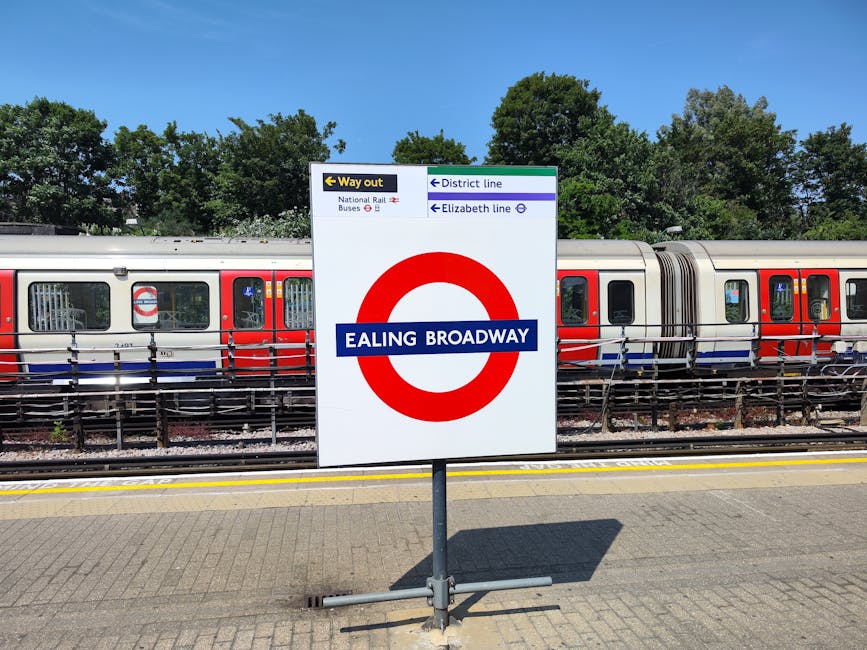
The London Underground is a fast, generally safe way to travel, but a few precautions are needed, especially at night. The Tube typically runs from around 05:00 until midnight depending on the line; some lines offer a Night Tube (overnight) service on Fridays and Saturdays on the Victoria, Central, Jubilee, Northern and Piccadilly lines. Check schedules on the official TfL Go app or Citymapper before travelling.
Stations and areas to know:
- London Bridge Station — 1-3 London Bridge, London SE1 9SP: interchange between the Northern and Jubilee lines, close to Tower Bridge and Borough Market. Station hours: some areas open 24/7, ticket office 05:00–00:30. Well lit, with a strong staff presence and CCTV.
- Waterloo Station — Waterloo Rd, London SE1 8SW: a large hub with many exits; at night favour the main concourse / top of stairs where taxi and ride-hail options are easier to find. Station open 24/7, services vary.
Practical tips:
- Choose a carriage with other passengers: if the train is nearly empty, board a carriage with people in it.
- Keep your phone secure: avoid displaying it unnecessarily; put it in a zipped pocket when not in use.
- Check the Night Tube: if you’re out late on a weekend, plan to return on lines with overnight service or book a taxi/ride-share from a well-lit station.
Reliable taxis and ride-hailing:
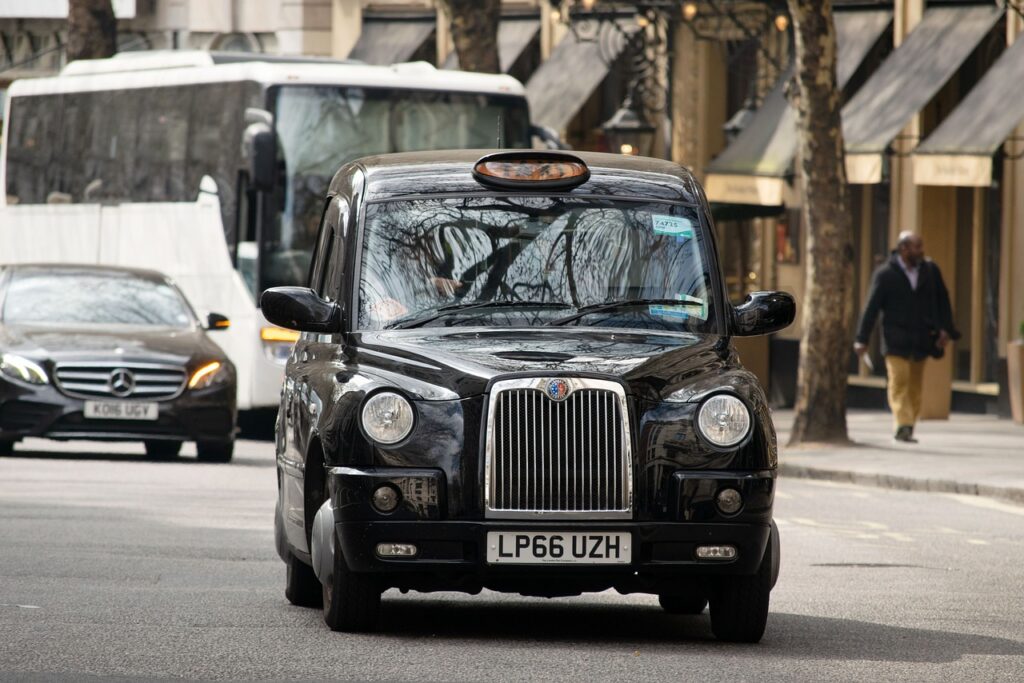
- Black cabs (London taxis) — indicative fare: starting fare about £3.20 plus distance-based charges; a central journey might cost ~£10–£20 (~€11–€23); payment by cash or card. You can hail them in the street or find them at taxi ranks (e.g. taxi rank at Victoria Coach Station, Buckingham Palace Rd, London SW1W 9TP).
- Uber and Bolt — fares vary, often cheaper late at night if demand isn’t surging; always check the driver’s identity and vehicle plate before getting in.
4. Preventing pickpocketing and managing your belongings
Pickpocketing is one of the most common crimes in crowded tourist areas — Borough Market, Oxford Street, Covent Garden, Camden Market, and near major sights like Big Ben or the Tate Modern. Protecting your belongings is simple: adopt a few effective habits.
Concrete measures:
- Anti-theft bags: use a zippered bag worn in front or a bag with secure closures. Backpacks are safer worn on the front in very crowded places.
- Organise your storage: keep important documents (passport, tickets, cards) in an inner pocket or a travel money belt; keep a separate photocopy.
- Cashless payments: prefer card payments (contactless) to reduce handling cash. For example, a coffee in Covent Garden (Covent Garden Market, James St, London WC2E 8BE) typically costs €3–€5; paying by card is convenient and safer.
Numbers and places to get help:
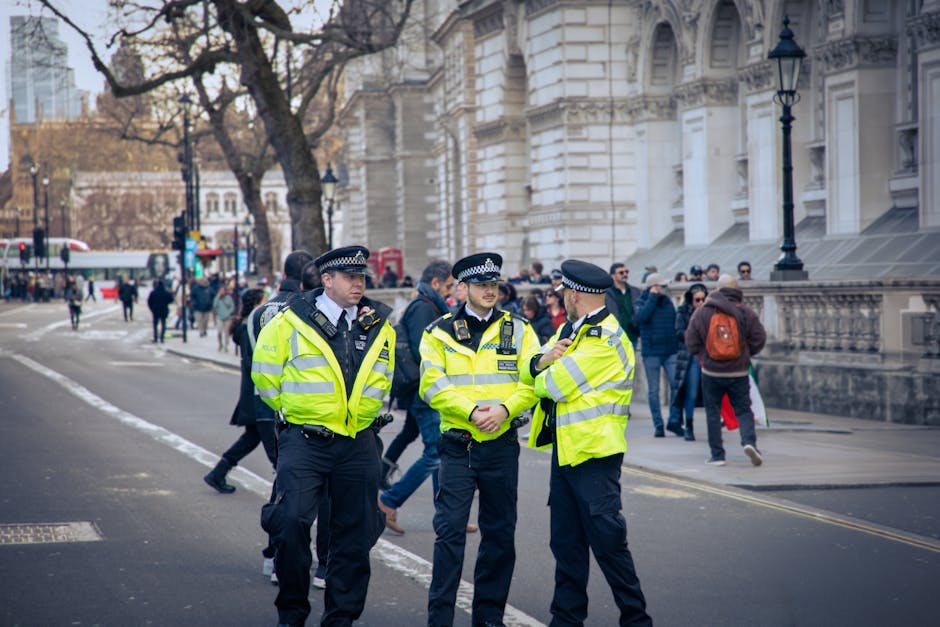
- Metropolitan Police (New Scotland Yard) — New Scotland Yard, 10 Broadway, London SW1H 0BG: to report a theft, especially if you need to make an in-person statement. Office hours for administrative matters vary; emergencies 24/7 via 999.
- Southwark local police station — 9-11 Marshalsea Rd, London SE1 1HL: useful if you’re a victim of an incident near London Bridge or Borough Market.
Immediately notify your bank of any lost or stolen cards; block cards and phones. If you have travel insurance keep receipts and the police report for claims.
5. Where to stay: safe neighbourhoods and good value
Your choice of neighbourhood has a big impact on how safe you feel. London offers many safe, well-connected areas across budgets. Here are some recommendations with typical addresses and price ranges:
- Kensington / South Kensington — a quiet area near museums (Victoria and Albert Museum, Cromwell Rd, London SW7 2RL). Typical hotel: The Kensington Hotel, 109-113 Queen’s Gate, London SW7 5LP. Price estimate: €120–€250/night depending on season. Very safe with excellent transport links (South Kensington Station).
- Bloomsbury — close to the British Museum, lots of student housing and B&Bs (e.g. The Bloomsbury Park Hotel, Coram St, London WC1N 1HT). Price estimate: €90–€170/night. Lively but generally safe and academic in character.
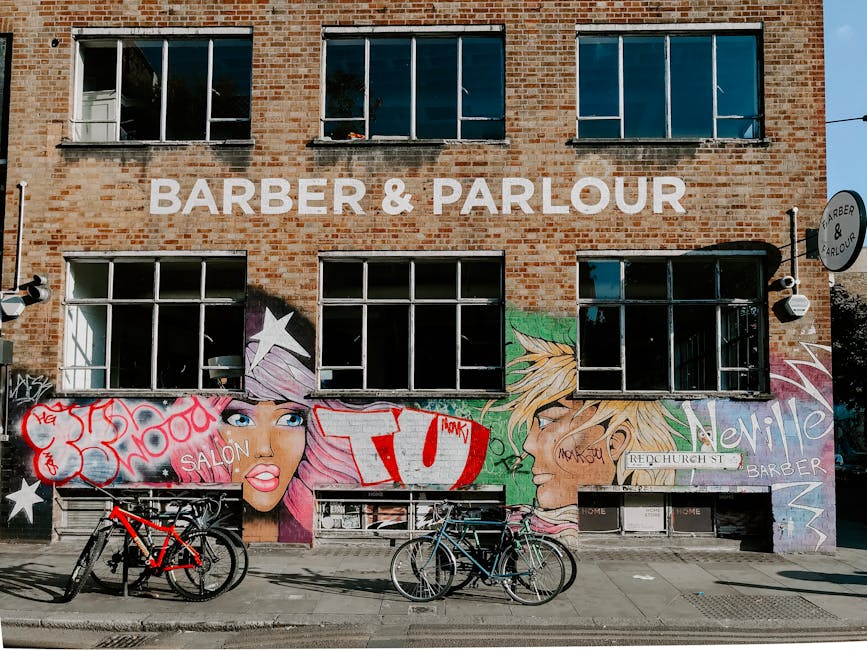
- Shoreditch / Hoxton — trendier, great for nightlife. Hotel example: Point A Hotel London Shoreditch, 3-7, 87-91 Great Eastern St, London EC2A 3HX. Price estimate: €80–€160/night. Very lively at night; choose a well-lit street.
Accommodation safety tips:
- Check for a safe or secure storage for valuables.
- Prefer hotels with 24-hour reception if you arrive late; hostels with individual lockers are a budget-friendly option.
- Read recent reviews to check street lighting and the nighttime reception.
Average costs: a main meal in a central pub (classic dishes like fish & chips) is around €12–€18, while a full breakfast in a café is about €6–€10. These figures help you budget and avoid seeking out isolated or less recommended areas just to save a few euros.
6. Using emergency and assistance services
Knowing emergency contacts and assistance points is essential to feeling secure. For immediate emergencies (fire, assault, medical emergency, crime in progress) dial 999 or 112 from any phone. For non-urgent matters (reporting minor incidents, advice), call 101 for the Metropolitan Police.
Useful centres and services:
- New Scotland Yard — 10 Broadway, London SW1H 0BG. For official communications and press releases. A useful administrative address if you need public information.
- St Thomas’ Hospital — Westminster Bridge Rd, London SE1 7EH: a major hospital near the South Bank. Emergency A&E open 24/7. For non-urgent medical advice use NHS 111 (telephone service).
- British Red Cross — offers traveller assistance and occasional support desks in major stations.
Apps and tools:
- TfL Go: real-time network updates and disruptions.
- Citymapper: route planning, price estimates and multimodal options.
- Police.uk: check local crime stats and find your nearest station.
If you lose important documents (passport), go to your country’s embassy or consulate: addresses depend on nationality — check before you travel. For French nationals, the French Embassy to the UK is at 21 Cromwell Rd, London SW7 2EN (some services by appointment).
7. Eating and drinking safely: markets, pubs and hygiene ratings
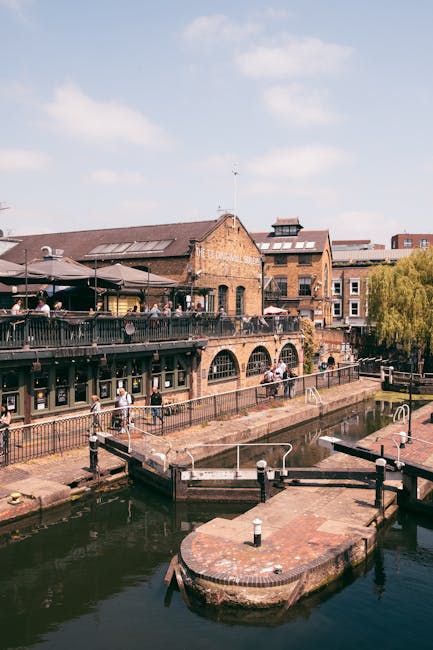
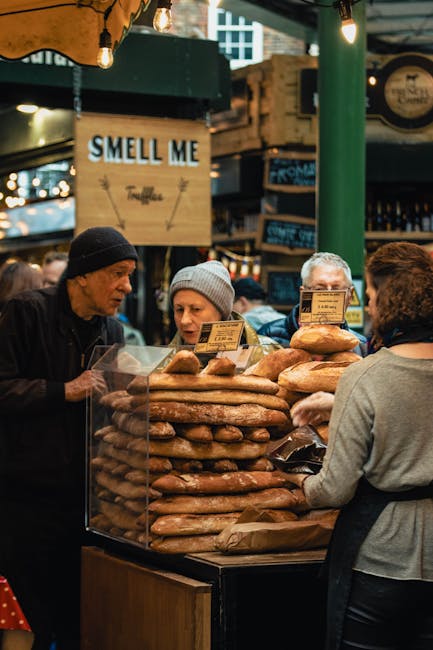
Eating street food or dining in a pub is part of the London experience, but take sensible precautions. Markets like Borough Market (8 Southwark St, London SE1 1TL) and Camden Market (Camden Lock Pl, London NW1 8AF) offer amazing food but crowds can increase the risk of losing belongings, and poor hygiene at some stalls can lead to foodborne illness.
Specific tips:
- Choose well-rated stalls: Borough Market often displays product origin info. Opening hours: Borough Market Mon–Fri 10:00–17:00, Sat 08:00–17:00, Sun closed (check for seasonal exceptions).
- Check hygiene ratings: in the UK many eateries display a « Food Hygiene Rating » (0–5). Prefer places rated 4 or 5.
- Drink safely: tap water is drinkable; asking for « tap water » in a café is free. Typical price for a bottled water in a supermarket: €1–€2.
Pubs and alcohol:
- Pubs often close between 23:00 and 01:00 depending on their licence; some stay open later. Example: The George Inn, 77 Borough High St, London SE1 1NH — a historic pub popular at night. Price of a pint: €5–€7.
- Don’t leave your drink unattended and don’t accept a drink from anyone other than the bar staff.
8. Cycling and road safety
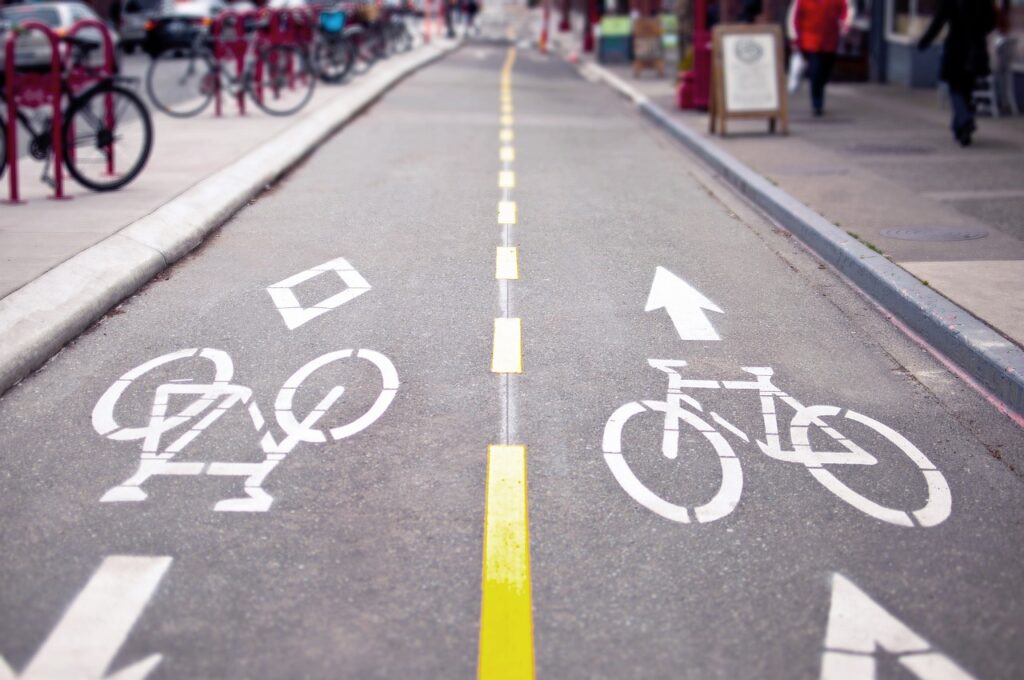
Cycling is a practical, quick way to get around London, especially for short journeys. Santander Cycles (the city’s bike-share) has docking stations all over central London — for example near Southbank Centre (Belvedere Rd, London SE1 8XX) and at King’s Cross. Santander Cycles pricing: the first half hour is included with a pay-as-you-go pass, and a daily access pass costs around £2 (~€2.30); check the official site for current rates.
Bike safety tips:
- Wear a helmet: not mandatory but strongly recommended.
- Use cycle lanes where available and obey traffic lights and road markings.
- Lock your bike: invest in a sturdy lock. Bike theft is common; park in a well-lit, busy area to reduce risk.
Service points and repairs:
- Raleigh Bikes / London Cycleworks: local workshops for repairs; one example address: London Cycleworks, 291 Old St, London EC1V 9LA (hours and availability should be checked).
- Santander Cycles docking stations: available 24/7; payments and access via the app or website.
9. Check before you go out: events, protests and public safety
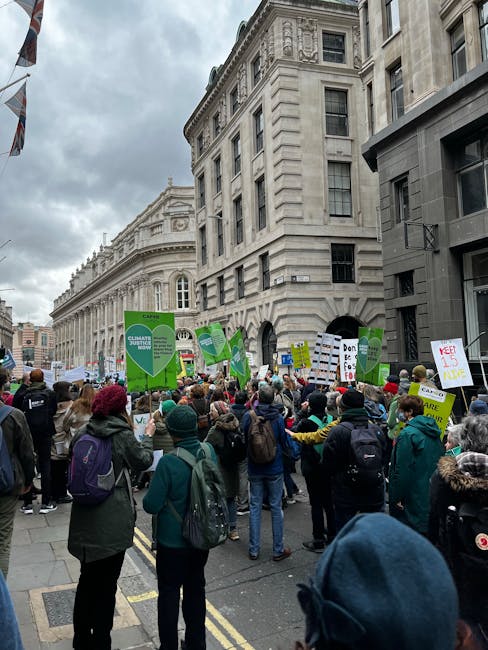
London regularly hosts demonstrations, sporting events and street closures that can affect your safety and travel plans. Staying informed helps you avoid congested areas and disruptions. Reliable sources include Transport for London (tfl.gov.uk), the Metropolitan Police news page (met.police.uk) and official Twitter/X accounts for venues and events.
Practical examples:
- For a major event on Trafalgar Square (Charing Cross, London WC2N 5DS), check for station closures and alternative routes in advance.
- Matches at Wembley Stadium (Wembley HA9 0WS) or Emirates Stadium (Hornsey Rd, London N7 7AJ) generate large crowds; plan your return journey and avoid bringing bulky bags.
How to react:
- If you find yourself near a protest, move away calmly and follow police instructions.
- If you cannot continue your journey, identify a safe spot (café, hotel or police station) to wait until routes reopen.
10. Create local landmarks: safe spots, meeting points and a social network
The final habit — and one of the most valuable — is to build your own local landmarks: a 24-hour shop, a café where you feel welcome, the nearest police station, and the closest pharmacy. These reference points make it easier to handle the unexpected and increase your sense of belonging.
Concrete examples:
- Boots pharmacy — multiple central locations; for example Boots, 39-41 The Strand, London WC2N 5JR. Hours: often 08:00–20:00, some branches 24h (check the shop window for 24h locations). Basic supplies and assistance.
- Convenience stores: Sainsbury’s Local or Tesco Express are found in many neighbourhoods for quick essentials (e.g. Tesco Express, 69-70 Borough High St, London SE1 1NL).
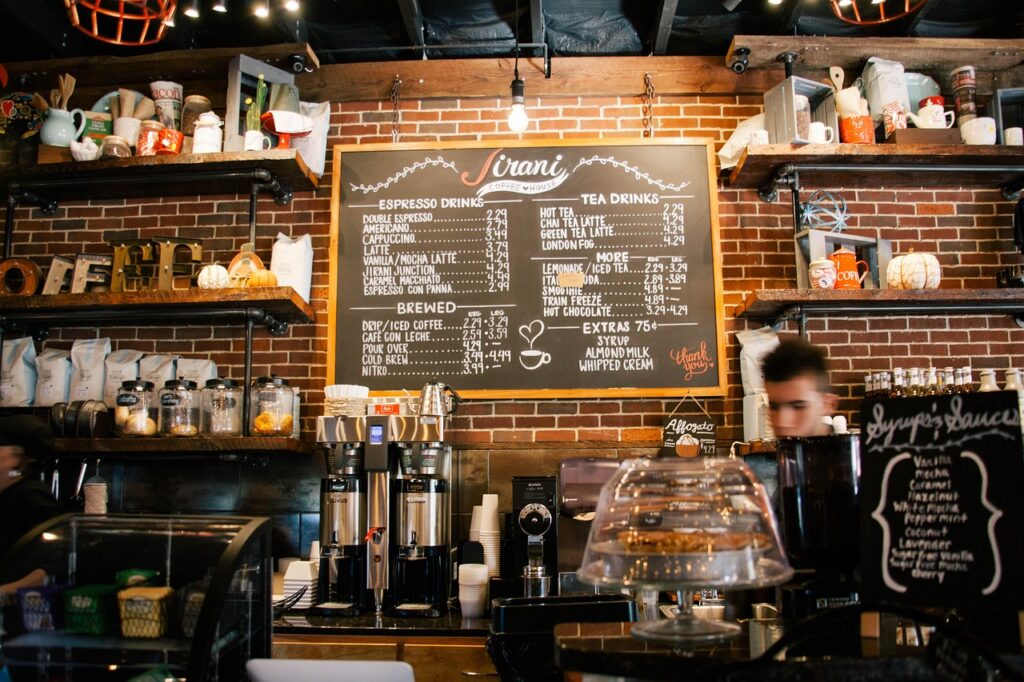
- Neighbourhood café: find a friendly local cafe — it becomes a handy meeting point and local info hub.
Build your network:
- Join local groups (workshops, meetups, language classes) to meet residents and swap neighbourhood safety tips.
- Keep a list of important numbers handy (embassy/consulate, bank, insurer), plus the address and hours of where you’re staying.
This habit helps you act quickly when needed and turns a potentially intimidating city into a manageable, welcoming place.
Conclusion — Adopt these 10 habits to feel at home in London
By applying these ten local habits you’ll transform your London experience: from a sprawling, sometimes bewildering metropolis into a place where you know how to get around, respond and enjoy yourself with confidence. These habits cover the essentials of urban life: smart travel with Oyster or contactless, queuing and personal space, planning for night journeys, protecting your belongings, choosing the right neighbourhood, knowing emergency services, eating safely, cycling responsibly, staying informed before going out, and creating local points of reference.
Beyond practical tips it’s also a mindset change: observe, ask polite questions, note key addresses (New Scotland Yard, St Thomas’ Hospital, main ticket offices like King’s Cross Station) and use official digital tools (TfL Go, Citymapper, Police.uk) to increase your independence. The prices and opening times mentioned give you a sense of budgeting and planning, but remember they change — always check official sites before you travel.
Finally, safety often comes down to preparation and prevention. By adopting simple habits — keeping your belongings close, buying an Oyster, following staff directions, not flashing valuables, choosing well-lit routes at night — you’ll significantly reduce risk and gain peace of mind. London is a city made to be explored: let these habits become second nature and enjoy the museums, markets, walks along the Thames, West End theatres and the thousands of unique experiences the capital offers. Have a great stay and welcome to a big city where, with the right reflexes, you can quickly feel at home.