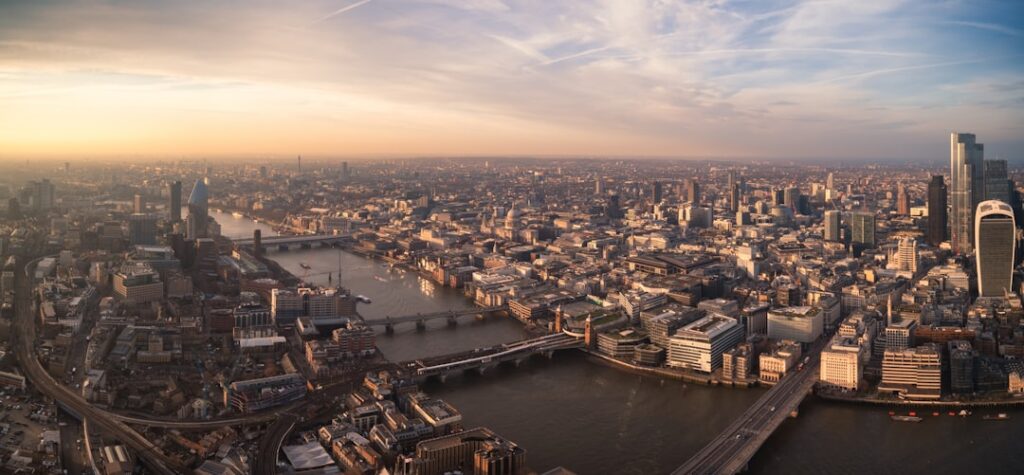





Introduction: Where to stay in London — choosing based on what you want
London is a city of contrasts: sleek skyscrapers in the City, the historic corners of Westminster, a creative vibe in Shoreditch and leafy retreats in Richmond. Deciding where to stay in London isn’t just about geography — it shapes your whole trip: your pace, your commute, your evenings and even your budget. This detailed guide walks you through the city’s neighborhoods based on three main priorities: being in the heart of the action (central), enjoying a trendy scene (trendy), or seeking peace and fresh air (quiet). For each option I give concrete spots, addresses, price ranges in euros, typical opening hours and local tips to help you choose wisely.
London has an extensive transport network (Tube, Overground, DLR, buses, Santander bikes), but travel time matters: a room in South Kensington can get you to the British Museum in 20–25 minutes, while a hotel in Stratford often takes 30–40 minutes for the same journey. This guide highlights representative places for each vibe: conveniently located hotels, lively hostels and cozier B&Bs. You’ll also find neighborhood cafés and restaurants for breakfast or dinner with exact addresses, typical opening times and approximate prices in euros — all handy for planning your budget.
A few practical notes before we dive in: the main currency in London is the British pound (GBP). Prices here are shown in euros (€) to make comparisons easier (rounded according to exchange rates). Opening hours vary: many pubs close between 11:00pm and 00:30am on weekdays, while some restaurants and bars stay open later at weekends. Finally, London is sprawling — pick a base according to your priorities: museum proximity, nightlife, tranquility or park access. This guide will help you narrow it down and arrive prepared.

Central: stay in the heart of London to be close to the sights (Westminster, Covent Garden, Southbank)
If your aim is to see iconic landmarks quickly — Buckingham Palace, Westminster Abbey, the London Eye, the British Museum, Covent Garden — staying centrally (Westminster, Covent Garden, Southbank) is ideal. Central areas mix historic hotels, modern apartments and solid mid-range options. Expect to pay more, but you’ll save time and cut transport costs.
Sample places to stay and addresses
- The Clermont London, Charing Cross — 1 The Strand, WC2N 5HX, London. Double rooms from around €220 / night. Reception open 24/7. Description: a restored Victorian hotel, two minutes’ walk from Charing Cross station — perfect for Covent Garden and Trafalgar Square. Tip: book a room on a higher floor to reduce street noise.
- Premier Inn London County Hall — Belvedere Rd, SE1 7PB, London. Double rooms from around €140 / night. Reception open 24/7. Description: located on the Southbank near the London Eye, very convenient for strolls along the Thames. Book early in high season.
- Safestay London Kensington Holland Park (hostel) — 20–22 Inverness Terrace, W2 3LB, London. Dorm bed from around €28 / night, private rooms from around €90 / night. Check-in 3:00pm, check-out 10:00am. Description: budget option close to South Kensington’s museums, friendly atmosphere.
Typical hours and costs: museums like the British Museum (Great Russell St, WC1B 3DG) usually open 10:00am–5:00pm (free entry, special exhibitions €10–25). Markets like Borough Market (8 Southwark St, SE1 1TL) are lively roughly 10:00am–5:00pm (some sections close Sunday mornings). Plan transport costs: an Oyster Card or contactless payment card loaded for 24–48 hours generally costs about €8–15 per day depending on how many zones you cross.
Local tips: pick hotels with 24-hour reception if you expect a late arrival. The centre can be noisy at night near busy tourist streets; ask for a room facing an inner courtyard. And often the best way to discover central neighbourhoods is on foot — from Westminster to Covent Garden distances are manageable and allow for spontaneous discoveries.
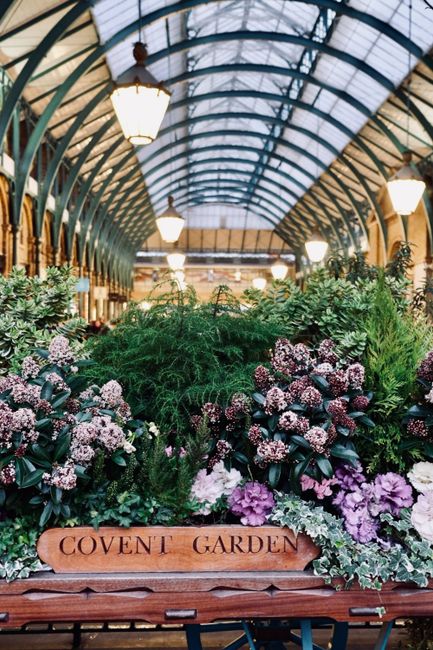
Trendy: Shoreditch, Camden, Notting Hill — design, nightlife and indie shops
For a trendy experience, aim for Shoreditch, Camden or Notting Hill. These neighbourhoods are known for independent shops, street art, specialty cafés and a buzzing nightlife. Shoreditch (East London) draws street-art lovers and clubgoers, Camden charms with alternative markets and live music, while Notting Hill offers bohemian elegance with markets and colourful houses.
Recommended spots and budget
- Hoxton Hotel Shoreditch — 81 Great Eastern St, Shoreditch, EC2A 3HU, London. Double rooms from around €160 / night. Reception open 24/7. Description: rooftop bar, contemporary design, 5–10 minutes from Shoreditch’s bars and clubs. Tip: check for private events on weekends that can increase noise.
- Holiday Inn London – Camden Lock — 30 Jamestown Rd, NW1 7BY, London. Double rooms from around €120 / night. Reception open 24/7. Description: next to Camden Lock Market (Camden Lock Pl, NW1 8AF) open 10:00am–6:00pm. Great value for exploring the music scene and vintage shops.
- No. 32 The Old Town Guest House, Notting Hill — 32 Lansdowne Rd, W11 2NU, London. Double B&B rooms from around €110 / night. Breakfast served 8:00am–10:00am. Description: classic Victorian guest house with a full English breakfast included. Perfect for wandering Portobello Road Market (Portobello Rd, W11 1LU) on Saturday mornings, 8:00am–5:00pm.
Vibes and hours: Shoreditch bars and clubs (e.g. XOYO, 32–37 Cowper St, EC2A 4AP) typically open 7:00pm–3:00am at the weekend (cover charge around €10–20). Camden markets (Camden Stables Market, Canal St, NW1 8AF) are busy daily, especially on weekends. Specialty cafés usually open early (8:00am–6:00pm); great for a gourmet breakfast before exploring.
Local tips: book popular bars and restaurants in advance, particularly on weekends. For Shoreditch, take a street-art walking tour in the morning (1.5–2 hours) to enjoy the murals before the crowds. In Notting Hill, avoid the busiest part of Portobello Road at midday if you’re after niche boutiques — go early morning or late afternoon instead. Camden gets noisier at night; for a quieter stay, choose a room on a side street.

Quiet: Richmond, Hampstead, Greenwich — nature, walks and serenity
If peace, greenery and a local atmosphere away from tourist crowds matter most, pick Richmond, Hampstead or Greenwich. These areas offer wide parks, riverside walks and village-style markets. They’re ideal for families, travellers seeking relaxation or anyone planning a longer stay.
Calm places to stay and practical info
- Richmond Hill Hotel — 1 Richmond Hill, TW10 6RW, Richmond. Double rooms from around €130 / night. Reception 7:00am–11:00pm. Description: views over the Thames and Richmond Park, direct access to hiking trails. Richmond Park (Richmond, TW10 5HS) is typically open 7:00am–6:00pm depending on the season (times vary) and is great for spotting free-roaming deer.
- La Place Hotel, Hampstead — 1 Heath St, NW3 1DR, London. Double rooms from around €150 / night. Reception 8:00am–10:00pm. Description: elegant small hotel near Hampstead Heath (Hampstead, NW3 1BP), a vast green space for running, picnics and views from Parliament Hill viewpoint (open all day).
- Greenwich Boutique Hotel — 24 College Approach, SE10 9HY, Greenwich. Double rooms from around €110 / night. Reception 9:00am–9:00pm. Description: close to the Cutty Sark (Greenwich Pier, SE10 9HT) and Greenwich Market, open 10:00am–5:00pm. Maritime atmosphere with museums accessible without crossing central London.
Transport and travel times: these neighbourhoods are connected by Tube/Overground/trains but usually require 25–45 minutes to reach the centre. For example, Richmond in Zone 4 can take about 30 minutes by direct train to London Waterloo (Waterloo Station, SE1 8SW). Greenwich is reachable via the DLR from Bank or by river taxi from Embankment (journey times vary 20–40 minutes depending on traffic).
Local tips: choose a place with a kitchenette if you plan to cook and use the local market. Take advantage of quiet mornings to visit parks before weekend walkers arrive. Always check local train timetables (South Western Railway, Southeastern) and watch for planned engineering works that can cause weekend delays.

Practical tips for choosing and booking — budget, transport and seasonality
To make the right choice, start by defining your priorities: a must-see attraction, nightlife, relaxation or budget. Then judge travel time in minutes, not just kilometres — London’s density and transport system often determine how easy it is to get around. Here are concrete, actionable tips.
- Budget: expect variable prices — dorm beds €25–40 / night, 3* hotels €90–160 / night, 4* and 5* hotels €180–500 / night depending on location. Prices spike around Christmas, Fashion Week (February/September) and in summer.
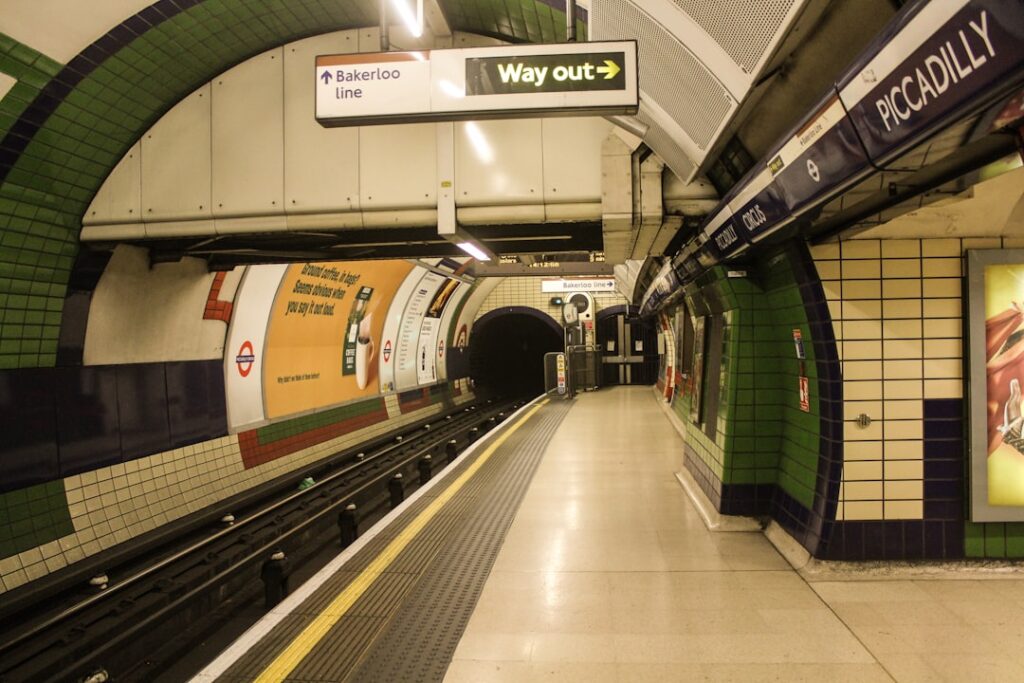
- Transport: buy an Oyster Card or use contactless bank cards. Typical transport spend is about €8–15 / day depending on zones. Prioritise accommodation near a Tube station to save time.
- Season: spring and autumn are a good compromise between pleasant weather and reasonable crowds. Summer (June–August) is busiest and prices rise.
- Booking: book central hotels at least 4–6 weeks in advance during high season. For popular hostels, check recent reviews and cancellation policies.
- Accessibility: check accessibility if you travel with heavy luggage or a wheelchair — many older stations lack lifts.
Local tip: if you want to save money without losing location, look for hotels on the border between two zones (e.g. zone 1/2): you’ll pay less while staying close to the centre. Finally, always confirm the exact address and opening hours on the official website of the property before you go — openings and prices can change.
Conclusion: Make the right choice for your needs and enjoy London
Choosing where to stay in London means prioritising the experience you want: full immersion in the centre for landmarks and theatre life, a trendy atmosphere for creative discoveries and nightlife, or peaceful greenery for relaxed walks and neighbourhood living. Each choice involves trade-offs in budget, travel time and nighttime vibe. The information above — exact addresses, price ranges in euros, typical opening hours and local tips — is meant to help you make a practical, informed decision.
Before you book, take a few minutes to: 1) define your priorities (sightseeing, evenings out, relaxation), 2) estimate daily travel in minutes rather than kilometres, 3) check dates and season to anticipate price fluctuations. Once you’re there, leave time to wander: London often reveals itself on foot, between a cosy café pause and a neighbourhood market with unexpected finds. And remember the little local habits — Oyster Card, late check-in options, and pub hours — to enjoy the British capital without surprises.
Whatever you choose, London’s variety adapts to every taste. Grab a map, pick a base and let the city surprise you: free museums, huge parks, music scenes and food markets will help turn your stay into a memorable experience. Have a great trip and enjoy your chosen base in London.